
About Khojali Osman
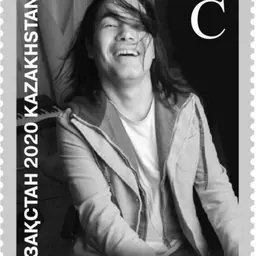
Lived 1951 – 1994 (aged 42–43). Khojali Osman was a singer.
Khojali Osman of Al- Halfaya, Khartoum North, was a popular Sudanese musician, who was known throughout the country for his soothing voice and romantic music. He was known for singing songs such as ma bnikhtalif, habba, habba, asma3na marra and hajri w fatishi. The period from 1975 to 1994 witnessed the growth of his fame at great speed. In 1994, his life was cut short by a mysterious murder outside the Musicians' club in Omdurman.
Murder and suspected motives On November 10, 1994, Suleiman Adam Musa, a known religious fanatic, had gone into the club with intent to kill, under the pretense that he was delivering post to some singers. Khojali, who had been standing closest to him, and another artist, Abdel Gadir Salim, were the random subjects of his attack. Fortunately, Salim survived. Official spokespeople for the authorities called the killer a 'mad man'. But this was later questioned, because Musa had held a 10-minute conversation with Salim, and appeared perfectly sane, even though he appeared as an Islamist extremist. Finally, he called out Allah Akbar (God is Great), and declared himself a mujahid, as he carried out the stabbings that led to the death of Khojali Osman.
Unlike other Sudanese artists, who had openly resisted the oppression by the government, Khojali remained neutral. Regardless of this, he was the first artist to have been killed in a politically motivated attack in the country's history.
After the attack, it was revealed that Musa had intended to harm the Sudanese musician, Mohammed Wardi, who was famed for his bold opposition towards the government. Upon finding him away in London, Musa lashed out on Khojali and Salem as random alternatives. In an interview with Wardi, journalist Brian Scudder wrote: "[Khojali Osman's] death also symbolizes the final collapse of tolerance in a country once renowned for it. While the military-Islamacist (sic!) government of Lieutenant-General Al-Bashir denies any knowledge of the murderer, many Sudanese believe it was the climate of perpetual hysteria fostered by the Government."
Musical legacy In 2018, Khojali Osman's song Malo Law Safeetna Inta (What If You Resolve What’s Between Us?) was reissued on the CD compilation Two Niles to Sing a Melody: The Violins and Synths of Sudan by Ostinato Records as part of their reissues of popular Sudanese music of the 1960s and 70s.
Don’t just read it —
keep it.
Full-length biographies made to live with: read them, listen on the way to work, watch them tonight.
- E-book
- Audio
- Video
Instant download · yours to keep · every purchase keeps this site free
Important facts
People in Khojali Osman's life
Named in this biography and alive at the same time


Related people
Same field, nearest in time





Contemporaries
People whose lives overlapped Khojali Osman's




Frequently asked questions
Who was Khojali Osman?
Sudanese popular singer
When was Khojali Osman born?
Khojali Osman was born in 1951 in Khartoum Bahri District.
When did Khojali Osman die?
Khojali Osman died on 10 November 1994 in Omdurman District.
What was Khojali Osman's occupation?
Khojali Osman was a singer.
What nationality was Khojali Osman?
Khojali Osman's recorded nationality: Anglo-Egyptian Sudan, Republic of Egypt, Republic of Sudan.
Sources & further reading
Cite this page
APA: Biography.guide. (2026). Khojali Osman. https://biography.guide/khojali-osman/
MLA: "Khojali Osman." Biography.guide, https://biography.guide/khojali-osman/.
Chicago: "Khojali Osman." Biography.guide. https://biography.guide/khojali-osman/.
Data last updated: 2026-09-20 · Spot an error? Report a correction.
Page generated 2026-09-27 05:17 UTC