
About Kenzaburō Ōe
Lived 1935 – 2023 (aged 88). Kenzaburō Ōe was a Japanese novelist, essayist, screenwriter, university teacher, science fiction writer and writer.
was a Japanese writer and a major figure in contemporary Japanese literature. His novels, short stories and essays, strongly influenced by French and American literature and literary theory, deal with political, social and philosophical issues, including nuclear weapons, nuclear power, social non-conformism, and existentialism. Ōe was awarded the 1994 Nobel Prize in Literature for creating "an imagined world, where life and myth condense to form a disconcerting picture of the human predicament today".
Early life and education Ōe was born in , a village now in Uchiko, Ehime Prefecture, on Shikoku. The third of seven children, he grew up listening to his grandmother, a storyteller of myths and folklore, who also recounted the oral history of the two uprisings in the region before and after the Meiji Restoration.
Career Ōe began publishing stories in 1957, while still a student, strongly influenced by contemporary writing in France and the United States. His first work to be published was "", a short story set in Tokyo during the American occupation, which appeared in Bungakukai literary magazine. His early works were set in his own university milieu.
In 1958, his short story "Shiiku" (飼育) was awarded the prestigious Akutagawa Prize. The first two characteristics are present in these early stories, while the latter two features come to the fore in the 'idiot boy' stories which appeared after the birth of his son Hikari.
Between 1958 and 1961 Ōe published a series of works incorporating sexual metaphors for the occupation of Japan. He summarised the common theme of these stories as "the relationship of a foreigner as the big power , a Japanese who is more or less placed in a humiliating position , and, sandwiched between the two, the third party (sometimes a prostitute who caters only to foreigners or an interpreter)". In each of these works, the Japanese X is inactive, failing to take the initiative to resolve the situation and showing no psychological or spiritual development. Yamaguchi had admirers among the extreme right wing who were angered by The Death of a Political Youth and both Ōe and the magazine received death threats day and night for weeks. The magazine soon apologized to offended readers, but Ōe did not,
Ōe's next phase moved away from sexual content, shifting this time toward the violent fringes of society. The works which he published between 1961 and 1964 are influenced by existentialism and picaresque literature, populated with more or less criminal rogues and anti-heroes whose position on the fringes of society allows them to make pointed criticisms of it.
Influence of Hikari Book cover of the 1996 English version of Kenzaburō Ōe's book about his handicapped son and their life as a family. Ōe credited his son Hikari for influencing his literary career. Ōe tried to give his son a "voice" through his writing. Several of Ōe's books feature a character based on his son.
In Ōe's 1964 book, A Personal Matter, the writer describes the psychological trauma involved in accepting his brain-damaged son into his life.
2006 to 2008 In 2005, two retired Japanese military officers sued Ōe for libel for his 1970 book of essays, Okinawa Notes, in which he had written that members of the Japanese military had coerced masses of Okinawan civilians into committing suicide during the Allied invasion of the island in 1945. In March 2008, the Osaka District Court dismissed all charges against Ōe. In this ruling, Judge Toshimasa Fukami stated, "The military was deeply involved in the mass suicides". In a news conference following the trial, Ōe said, "The judge accurately read my writing."
Ōe did not write much during the nearly two years (2006–2008) of his libel case. He began writing a new novel, which The New York Times reported would feature a character "based on his father," a staunch supporter of the imperial system who drowned in a flood during World War II. Death by Water was published in 2009.
2013 Bannen Yoshikishu, his final novel, is the sixth in a series with the main character of Kogito Choko, who can be considered Ōe's literary alter ego. The novel is also in a sense a culmination of the I-novels that Ōe continued to write since his son was born developmentally disabled in 1963. In the novel, Choko loses interest in the novel he had been writing when the Great East Japan earthquake and tsunami struck the Tohoku region on 11 March 2011. Instead, he begins writing about an age of catastrophe, as well as about the fact that he himself was approaching his late 70s.
Activism In 1959 and 1960, Ōe participated in the Anpo protests against the U.S.-Japan Security Treaty as a member of a group of young writers, artists, and composers called the "Young Japan Society" (Wakai Nihon no Kai). The treaty allowed the United States to maintain military bases in Japan, and Ōe's disappointment at the failure of the protests to stop the treaty shaped his future writing. thumb Ōe was involved with pacifist and anti-nuclear campaigns and wrote books regarding the atomic bombings of Hiroshima and Nagasaki and the Hibakusha, most prominently the essay collection Hiroshima Notes (1965). After meeting prominent American anti-nuclear activist Noam Chomsky at a Harvard degree ceremony, Ōe began his correspondence with Chomsky by sending him a copy of his Okinawa Notes. While also discussing Ōe's Okinawa Notes, Chomsky's reply included a story from his childhood. Chomsky wrote that when he first heard about the atomic bombing of Hiroshima, he could not bear it being celebrated, and he went in the woods and sat alone until the evening. Ōe later said in an interview, "I've always respected Chomsky, but I respected him even more after he told me that."
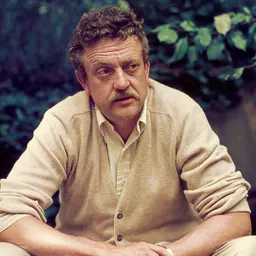
In a 2007 interview with The Paris Review, Ōe described himself as an anarchist. Stating: "In principle, I am an anarchist. Kurt Vonnegut once said he was an agnostic who respects Jesus Christ. I am an anarchist who loves democracy."
Following the 2011 Fukushima nuclear disaster, he urged Prime Minister Yoshihiko Noda to "halt plans to restart nuclear power plants and instead abandon nuclear energy". Ōe said Japan has an "ethical responsibility" to abandon nuclear power in the aftermath of the Fukushima nuclear disaster, just as it renounced war under its postwar Constitution. He called for "an immediate end to nuclear power generation and warned that Japan would suffer another nuclear catastrophe if it tries to resume nuclear power plant operations". In 2013, he organized a mass demonstration in Tokyo against nuclear power. Ōe also criticized moves to amend Article 9 of the Constitution, which forever renounces war.
In 2015, Ōe stated that he believed that the Japanese government had not adequately acknowledged or apologized for the comfort women issue.
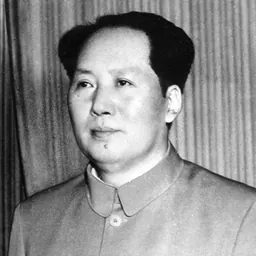
Personal life and death Ōe married in February 1960. His wife, Yukari, was the daughter of film director Mansaku Itami and sister of film director Juzo Itami. The same year he met Mao Zedong on a trip to China. He also went to Russia and Europe the following year, visiting Sartre in Paris.
Major awards Tokyo University May Festival Prize, 1957. Akutagawa Prize, 1958. Tanizaki Prize, 1967. Jiro Osaragi Prize (Asahi Shimbun), 1983. Commander of the Order of Arts and Letters (France, 2012)
Eponymous literary prize In 2005, the Kenzaburō Ōe Prize was established by publisher Kodansha to promote Japanese literary novels internationally, with the first prize awarded in 2007. The winning work was selected solely by Ōe, The few translations have often appeared after a marked lag in time. Works of his have also been translated into Chinese, Catalan, French, and German.
Year Japanese Title English Title CommentsRef.1957死者の奢りShisha no ogoriLavish Are The DeadShort story published in Bungakukai literary magazine 飼育Shiiku "The Catch" / "Prize Stock" Short story awarded the Akutagawa prize. Published in English as "Prize Stock" in Teach Us to Outgrow Our Madness (1977) and as "The Catch" in "The Catch and Other War Stories" (Kodansha International 1981). Made into a film in 1961 by Nagisa Oshima and in 2011 by the Cambodian director Rithy Panh. 1958 見るまえに跳べMiru mae ni tobe Leap Before You Look Short story; title is a reference to W. H. Auden 1961 セヴンティーンSevuntiin Seventeen Short novel translated by Luk Van Haute in 1996. The sequel was so controversial that Ōe never allowed it to be republished. 1963 叫び声Sakebigoe OutcriesUntranslated 性的人間 Seiteki ningen J (published title) Sexual Humans (literal translation) Short story translated by Luk Van Haute in 1996 個人的な体験Kojinteki na taiken A Personal Matter Awarded the Shinchosha Literary Prize. Translated by John Nathan. 1965 ヒロシマ・ノートHiroshima nōto Hiroshima Notes Collection of essays translated by Toshi Yonezawa and edited by David L. Swain 1967 万延元年のフットボールMan'en gan'nen no futtobōru The Silent Cry (published title) Football in the Year 1860 (literal translation) Translated by John Bester 1969 われらの狂気を生き延びる道を教えよWarera no kyōki wo ikinobiru michi wo oshieyo Teach Us to Outgrow Our Madness Translated by John Nathan in 1977; title is a reference to W. H. Auden 1973 洪水はわが魂に及びKōzui wa waga tamashii ni oyobi My Deluged Soul Awarded the 26th Noma Literary Prize. Work has also been referred to as The Waters Are Come in unto My Soul. 1976 ピンチランナー調書Pinchi ran'nā chōsho The Pinch Runner MemorandumTranslated by Michiko N. Wilson and Michael K. Wilson 1979 同時代ゲーム Dōjidai gēmu The Game of ContemporaneityUntranslated 1982 「雨の木」を聴く女たち Rein tsurī wo kiku on'natachi Women Listening to the "Rain Tree" Collection of two short stories and three novellas. Awarded the 34th Yomiuri Literary Prize for novels. 1983 新しい人よ眼ざめよAtarashii hito yo, mezameyo Rouse Up O Young Men of the New Age! Collection of seven short stories originally published in Gunzo and Shincho magazines between 1982 and 1983. The title is taken from the preface to the poem Milton by William Blake. Awarded the 10th Jiro Osaragi Prize. Translated by John Nathan. 1985 河馬に嚙まれるKaba ni kamareru Bitten by a Hippopotamus Eight short stories, loosely linked 1986 M/Tと森のフシギの物語M/T to mori no fushigi no monogatariM/T and the Wonder of the ForestTitle has also been translated as Strange Stories of M/T and the Forest 1988 「最後の小説」Saigo no shōsetsu The Last Novel Collection of essays 静かな生活Shizuka na seikatsu A Quiet LifeTranslated by Kunioki Yanagishita & William Wetherall 1991 治療塔惑星Chiryō tō wakusei Planet of the Healing TowerScience fiction novel paired with Chiryō tō 1992 僕が本当に若かった頃Boku ga hontō ni wakakatta koro When I Was Really YoungVolume of nine vignettes, many of which refer to his previous works 1993「救い主」が殴られるまで 'Sukuinushi' ga nagurareru made Until the Savior Gets Beaten Part I of The Burning Green Tree Trilogy (燃えあがる緑の木 第一部, Moeagaru midori no ki – dai ichibu) 恢復する家族Kaifukusuru kazoku A Healing Family Collection of essays serialized from 1990 to 1995 in Sawarabi, a journal on rehabilitative medicine, with an afterword and drawings by Yukari Oe. Adapted and translated in 1996 by Stephen Snyder. 1999 宙返りChūgaeri SomersaultTranslated by Philip Gabriel 2000 取り替え子 (チェンジリング)Torikae ko (Chenjiringu) The Changeling Translated by Deborah Boliver Boehm 2001 「自分の木」の下で 'Jibun no ki' no shita de Under One's Own Tree 16 essays reflecting on Ōe's childhood and experience as a novelist and father 2002 憂い顔の童子Urei gao no dōji Gloomy Faced ChildNovel 2007 臈たしアナベル・リイ 総毛立ちつ身まかりつRōtashi Anaberu Rī sōkedachitsu mimakaritsu The Beautiful Annabel Lee was Chilled and KilledWinner of the 2008 Weishanhu Award for Best Foreign Novel in the 21st Century. 2009 水死Sui shi Death by Water Translated by Deborah Boliver Boehm 2013 晩年様式集(イン・レイト・スタイル)Bannen Yōshiki shū (In Reito Sutairu) In Late Style Final work. Title is a reference to Edward Said's On Late Style.
Don’t just read it —
keep it.
Full-length biographies made to live with: read them, listen on the way to work, watch them tonight.
- E-book
- Audio
- Video
Instant download · yours to keep · every purchase keeps this site free
Important facts
People in Kenzaburō Ōe's life
Named in this biography and alive at the same time





Related people
Same field, nearest in time


Contemporaries
People whose lives overlapped Kenzaburō Ōe's


Frequently asked questions
Who was Kenzaburō Ōe?
Japanese writer and Nobel Laureate (1935–2023)
When was Kenzaburō Ōe born?
Kenzaburō Ōe was born on 31 January 1935 in Ōse.
When did Kenzaburō Ōe die?
Kenzaburō Ōe died on 3 March 2023 in Tokyo.
What was Kenzaburō Ōe's occupation?
Kenzaburō Ōe was a novelist, essayist, screenwriter, university teacher, science fiction writer and writer.
What nationality was Kenzaburō Ōe?
Kenzaburō Ōe was Japanese.
Sources & further reading
Cite this page
APA: Biography.guide. (2026). Kenzaburō Ōe. https://biography.guide/kenzaburo-oe/
MLA: "Kenzaburō Ōe." Biography.guide, https://biography.guide/kenzaburo-oe/.
Chicago: "Kenzaburō Ōe." Biography.guide. https://biography.guide/kenzaburo-oe/.
Data last updated: 2026-09-20 · Spot an error? Report a correction.
Page generated 2026-09-27 05:20 UTC