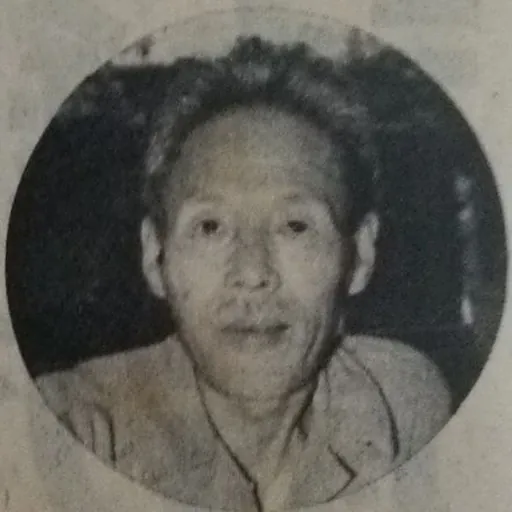
About Kawabata Ryushi
Lived 1885 – 1966 (aged 80). Kawabata Ryushi was a Japanese painter, draftsperson and writer.
, later known as , was a Japanese Nihonga artist active during the Taishō and Shōwa periods.
Biography Ryūshi was born on 6 June 1885 in Wakayama city in Wakayama Prefecture. He moved to Tokyo in 1895. Initially interested in literature, he studied under the poet Kawabata Hoja, who introduced him to the Hototogisu artistic circle. He then became interested in painting instead, and studied yōga painting techniques as an apprentice in the studios of the Hakubakai. When he was 18, he entered a Yomiuri Shimbun illustration contest, from which his work was selected. He continued working on newspaper illustrations to earn a living as he studied oil painting. In 1913, he traveled to the United States to study western-style painting techniques in more depth, but was so impressed with the Japanese art that he saw during a visit to the Boston Museum of Fine Arts that he switched to the Nihonga genre on his return to Japan in 1914, displaying at the Inten Exhibition in 1915. He left Inten in 1928 in protest of its increasing rigid rules, and established his own Nihonga art circle, the Seiryūsha in 1928. The Seiryūsha held an exhibition on competition to the Inten twice a year from 1929 to 1965 in Tokyo. In addition, Ryūshi usually held a personal exhibition in Osaka once per year.
Ryūshi was a major advocate of , which emphasized the public nature of art. His works therefore tended to be on a huge scale, and were intended for public display in large areas.
After World War II, together with Yokoyama Taikan and Kawai Gyokudō, he came to be regarded as one of the "Three Big Figures" in the field of Nihonga painting.
In 1950, after the death of his wife and son, he went on a pilgrimage of the 88 holy places in Shikoku, taking a total of six years to make the circuit, and sketching extensively along the way. In 1959, he was awarded the Order of Culture by the Japanese government.
In 1963, shortly before his death, his house in Ōta, Tokyo was transformed into the Ōta Municipal Ryushi Memorial Hall. It was donated to the city of Ōta by his heirs in 1990, and contains most of his larger works.
Philately One of Ryūshi's works was selected as the subject of a commemorative postage stamp by the Japanese government:
1979: Aizen ("Passion"), commemorating the 61st Inter-Parliamentary Conference
Gallery
Don’t just read it —
keep it.
Full-length biographies made to live with: read them, listen on the way to work, watch them tonight.
- E-book
- Audio
- Video
Instant download · yours to keep · every purchase keeps this site free
Important facts
People in Kawabata Ryushi's life
Named in this biography and alive at the same time
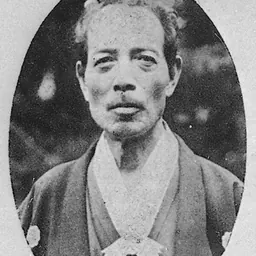
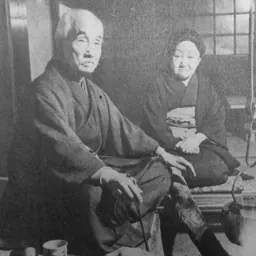
Related people
Same field, nearest in time

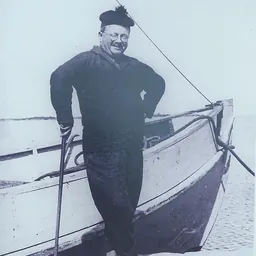
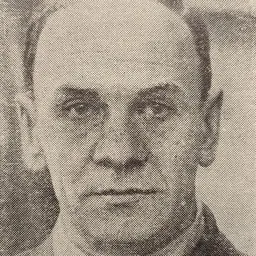
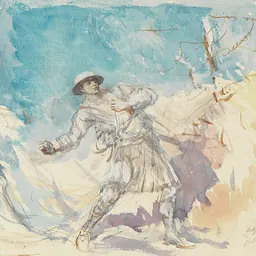

Contemporaries
People whose lives overlapped Kawabata Ryushi's

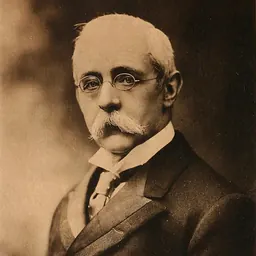
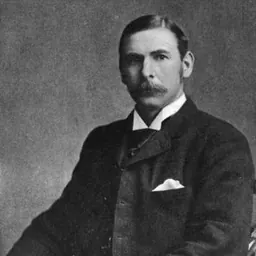


Frequently asked questions
Who was Kawabata Ryushi?
Japanese painter (1885-1966)
When was Kawabata Ryushi born?
Kawabata Ryushi was born on 6 June 1885 in Wakayama.
When did Kawabata Ryushi die?
Kawabata Ryushi died on 10 April 1966 in Tokyo.
What was Kawabata Ryushi's occupation?
Kawabata Ryushi was a painter, draftsperson and writer.
What nationality was Kawabata Ryushi?
Kawabata Ryushi was Japanese.
Sources & further reading
Cite this page
APA: Biography.guide. (2026). Kawabata Ryushi. https://biography.guide/kawabata-ryushi/
MLA: "Kawabata Ryushi." Biography.guide, https://biography.guide/kawabata-ryushi/.
Chicago: "Kawabata Ryushi." Biography.guide. https://biography.guide/kawabata-ryushi/.
Data last updated: 2026-09-22 · Spot an error? Report a correction.
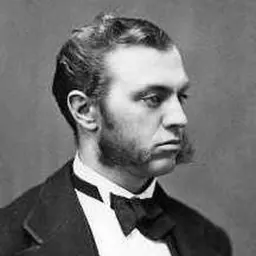
Portrait: Wikimedia Commons · author & licence
Page generated 2026-09-27 05:03 UTC