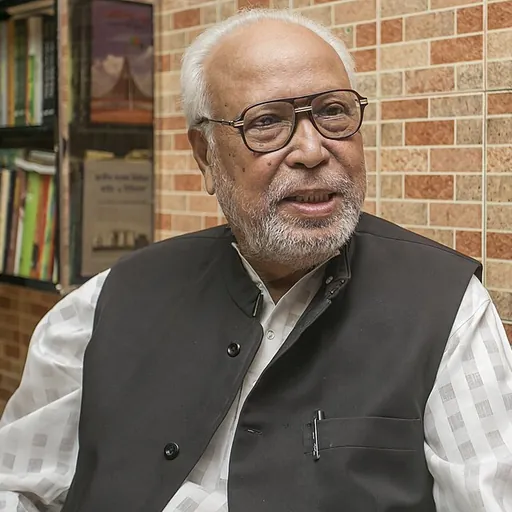
About Kader Siddique
Born 1948. Kader Siddique is a Bangladeshi and Pakistani politician.
Bangabir Abdul Kader Siddique is a Bangladeshi politician and warlord. He served as a Mukti Bahini commander, and organizer of the Bangladesh War of Independence. He fought with an estimated 17,000-strong guerrilla force in the Tangail region against the Pakistan Army. The army was called Kaderia Bahini (Kader's Army). At the end of the war in 1971, Siddique's forces entered Dhaka along with the Indian forces, signaling the end of the war. He was awarded Bir Uttom by the government of Bangladesh. Since 1999, he has been serving as the leader of his newly formed party, the Krishak Sramik Janata League.
Bangladesh Liberation War During the Bangladesh Liberation War, he formed the Kaderia Force and fought against the Pakistani military. The Kaderia Force, as it is said, had approximately 17 thousand personnel. He was loyal to Sheikh Mujibur Rahman.
Political career
After independence
After the independence of Bangladesh, Siddique went back to his hometown of Tangail, where he enjoyed considerable patronage from the Awami League, the party of Prime Minister Mujibur Rahman.
Insurgency against Khondakar Mushtaq and Ziaur Rahman After the assassination of Sheikh Mujibur Rahman in 1975, Siddiqui and his followers organised attacks on the authorities of Khondakar Mushtaque's government. Elements loyal to Siddiqui operated from bases in Assam province in India and were actively supported by India's Border Security Force. In 1976, the Janata Party government ended its support for him, stating, "no shelter shall be given to criminal elements across the border" and promised non-interference in Bangladeshi affairs.
He was tried by a military court on 24 July 1978 and sentenced to 7 years in jail. He was accused of killing a major and a number of soldiers of the Bangladesh Army. On 6 December 1990, he returned to Bangladesh from self-imposed exile in India.
Post-exiled life Siddique was elected member of the parliament of Bangladesh from different constituencies of Tangail.
In 1996, Siddique was elected to Parliament as a Bangladesh Awami League candidate from Tangail-8. In 1999, Siddique quit Awami League. He then resigned from the parliament and formed his own party, the Krishak Sramik Janata League. This triggered a by-election, which he lost to the Bangladesh Awami League candidate, Shawakat Momen Shahjahan. Siddique was elected to parliament from Tangail 8 in the 2001 Bangladesh general election as a candidate of the Krishak Sramik Janata League.
In 2017, the Bangladesh High Court disqualified Siddique from contesting a by-election from Tangail-4 because he had defaulted on a loan. He tried to contest the 2018 Bangladeshi general election from Tangail-4 and Tangail-8, but his candidacy was rejected by the Bangladesh Election Commission. He, along with his party, joined the Jatiya Oikyafront to contest the election against the Bangladesh Awami League alliance. His daughter, Kuri Siddique, also applied for nomination from Tangail-8 in case his candidacy was rejected. The Election Commission rejected the appeal filed by Siddique, challenging the cancellation of his nomination on 8 December.
In the controversial 2024 election, he lost the constituency of Tangail-8 to Awami League candidate Anupam Shahjahan Joy.
Krishak Sramik Janata League He is currently the president of the Krishak Sramik Janata League. On 8 November 2018, he joined the Jatiya Oikyafront under the leadership of Kamal Hossain to participate in the 11th National Parliament election in an alliance. The main partner of the Oikyafront was the Bangladesh Nationalist Party. Through this alliance, his party and he participated in the national election under the symbol of a sheaf of rice. His elder brother, Abdul Latif Siddiqui, is also an Awami League politician who served as the member of parliament and the minister of Posts, Telecommunications and Information Technology. He has been widely discussed and criticized for writing newspaper columns. In 2013, he regularly wrote columns in the daily Amar Desh and the daily Naya Diganta. In addition, he discussed the country's ongoing political, social, and contemporary issues as a presenter on Diganta Television. He was criticised for these media roles by his brother Abdul Latif Siddiqui as "arrogant" and "new-Razakar."
Notable books written by Quader Siddiquie Maulana Bhashani Ke Jemon Dekhechi Meghe Dhaka Tara Swadhinata'71 Bajrakathon Tara Amar Boro Bhai-Bon Na Bola Kotha Pita-Putra
Don’t just read it —
keep it.
Full-length biographies made to live with: read them, listen on the way to work, watch them tonight.
- E-book
- Audio
- Video
Instant download · yours to keep · every purchase keeps this site free
Important facts
People in Kader Siddique's life
Named in this biography and alive at the same time






Related people
Same field, nearest in time
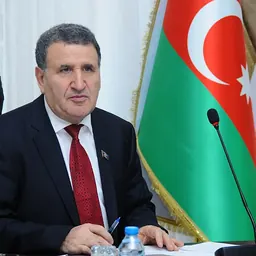




Contemporaries
People whose lives overlapped Kader Siddique's


Frequently asked questions
Who is Kader Siddique?
Bangladeshi politician and fighter
When was Kader Siddique born?
Kader Siddique was born in 1948 in Old Dhaka.
What is Kader Siddique's occupation?
Kader Siddique is a politician.
What nationality is Kader Siddique?
Kader Siddique is Bangladeshi and Pakistani.
Sources & further reading
· DBpedia: Abdul Kader Siddique
Cite this page
APA: Biography.guide. (2026). Kader Siddique. https://biography.guide/kader-siddique/
MLA: "Kader Siddique." Biography.guide, https://biography.guide/kader-siddique/.
Chicago: "Kader Siddique." Biography.guide. https://biography.guide/kader-siddique/.
Data last updated: 2026-09-20 · Spot an error? Report a correction.
Page generated 2026-09-27 05:10 UTC