
About Joseph Pease
Lived 1799 – 1872 (aged 72). Joseph Pease was a British politician and businessperson.
Joseph Pease (22 June 1799 – 8 February 1872) was a British proponent and supporter of the Stockton and Darlington Railway Company, one of first public railway systems in the world, and was the first Quaker permitted to take his seat in Parliament.
Life Joseph Pease joined his father Edward and other members of the Pease family in starting the Stockton and Darlington Company. In 1826 he married Emma Gurney, youngest daughter of Joseph Gurney of Norwich. They had twelve children, amongst whom, were Sir Joseph Whitwell Pease, his eldest son, and Arthur Pease (1837-1898), his fourth son. Joseph's fifth child, Elizabeth Lucy Pease, married the agricultural engineer and inventor John Fowler, a pioneer in the application of steam power to agriculture.
In 1829 Pease was managing the Stockton and Darlington Railway in place of his father. In 1830, he bought a sufficient number of the collieries in the area, to become the largest owner of collieries in South Durham. That same year, along with his father-in-law Joseph Gurney of Norfolk, and other Quaker businessmen, they bought a large tract of land at Middlesbrough, which they projected as a port for exporting coal. In December 1830, a new railway line was opened on the Stockton and Darlington railway, to Middlesbrough, for transporting the coal to the new port. In addition to collieries, he was interested in quarries and ironstone mines in Durham and North Yorkshire, as well as in cotton and woollen manufactures, and he was active in educational and philanthropic work.
In 1832, Pease was elected Member of Parliament for South Durham. As a Quaker, he was not immediately allowed to take his seat, because he refused to take the oath of office. A special committee considered the question and decided that Pease could affirm, rather than swear and thus, he was allowed to take his seat in Parliament, the first Quaker so to do. He was also unusual, in that, like most Quakers of the day, he refused to remove his hat, even when he entered the House of Commons.
Pease introduced as a bill the Cruelty to Animals Act 1835, being a member of the committee of the Society for the Prevention of Cruelty to Animals. The law was passed in part due to lobbying by the Society (founded 1824, since 1840 the RSPCA). The 1835 Act amended the existing legislation to prohibit the keeping of premises for the purpose of staging the baiting of bulls, dogs, bears, badgers or "other Animal (whether of domestic or wild Nature or Kind)". The Act also banned (but failed to eradicate) dog fighting and cockfighting.
Don’t just read it —
keep it.
Full-length biographies made to live with: read them, listen on the way to work, watch them tonight.
- E-book
- Audio
- Video
Instant download · yours to keep · every purchase keeps this site free
Important facts
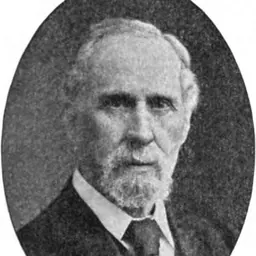
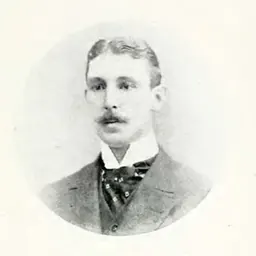
People in Joseph Pease's life
Named in this biography and alive at the same time

Related people
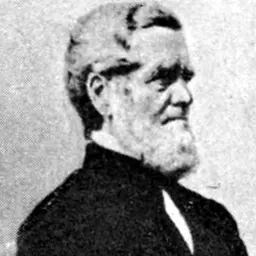
Same field, nearest in time


Contemporaries
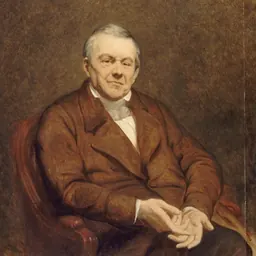
People whose lives overlapped Joseph Pease's






Frequently asked questions
Who was Joseph Pease?
English railway pioneer (1799-1872)
When was Joseph Pease born?
Joseph Pease was born on 22 June 1799.
When did Joseph Pease die?
Joseph Pease died on 8 February 1872.
What was Joseph Pease's occupation?
Joseph Pease was a politician and businessperson.
What nationality was Joseph Pease?
Joseph Pease was British.
Sources & further reading
· DBpedia: Joseph Pease (railway pioneer)
Cite this page
APA: Biography.guide. (2026). Joseph Pease. https://biography.guide/joseph-pease/
MLA: "Joseph Pease." Biography.guide, https://biography.guide/joseph-pease/.
Chicago: "Joseph Pease." Biography.guide. https://biography.guide/joseph-pease/.
Data last updated: 2026-09-26 · Spot an error? Report a correction.
Page generated 2026-09-27 05:16 UTC