
Johns Hopkins
American entrepreneur, philanthropist, and abolitionist
About Johns Hopkins
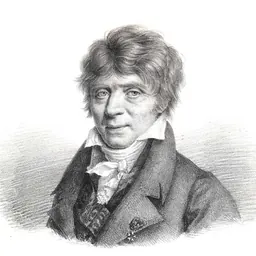
Lived 1795 – 1873 (aged 78). Johns Hopkins was an American entrepreneur and philanthropist.
Johns Hopkins (May 19, 1795 – December 24, 1873) was an American merchant, investor, and philanthropist best known for funding the establishment of Johns Hopkins University and Johns Hopkins Hospital, which have since become leading institutions for scientific research and medical advancements. At the time of his death, his donation was the largest philanthropic bequest ever made to an American educational institution.
Born on a plantation in Anne Arundel County, Maryland, Hopkins left his home to start a career at the age of seventeen, and settled in Baltimore, Maryland, where he remained for most of his life. He accumulated his fortune primarily through investing in the Baltimore and Ohio Railroad (B&O), for which he later served as finance director. He was also president of Baltimore-based Merchants' National Bank.
A Quaker, Hopkins strongly backed Abraham Lincoln and the Union during the American Civil War and was described as holding "antislavery political views." In 2020, new archival research prompted renewed scholarly debate over Hopkins’s relationship to slavery and his long-standing reputation as a staunch abolitionist. Researchers affiliated with Johns Hopkins University reported evidence suggesting that he may have owned or employed enslaved people earlier in his life, while other scholars have disputed these findings and emphasized his documented opposition to slavery and philanthropic support for Black education and social welfare. They emancipated their slaves in 1778 in accordance with their Quaker meeting's decree, which called for freeing the able-bodied and caring for the others, who would remain at the plantation and provide labor as they could.
In 1812, at the age of 17, Hopkins left the plantation to work in his uncle Gerard T. Hopkins's Baltimore wholesale grocery business. Gerard T. Hopkins was an established merchant and clerk of the Baltimore Yearly Meeting of Friends. While living with his uncle's family, Johns and his cousin, Elizabeth, fell in love; however, the Quaker taboo against the marriage of first cousins was strong, and neither Johns nor Elizabeth ever married. Their findings also emphasized the absence of documentary evidence confirming longstanding claims that Hopkins was an abolitionist, while noting his involvement in a regional economy shaped by slavery and his firm’s financial dealings involving enslaved people as collateral.
At the same time, the researchers identified sources indicating that Hopkins held antislavery political views, supported Abraham Lincoln and the Union, once purchased an enslaved person with the intention of securing their freedom, as well as contemporary praise from prominent Black leaders for his philanthropic support for Black communities.
Subsequent scholarship has challenged aspects of this interpretation while adding to evidence that Hopkins' held anti-slavery views. In a 2024 peer-reviewed article in the Maryland Historical Magazine, Sydney Van Morgan and three co-authors, including former Maryland state archivist Edward C. Papenfuse, argue that the 1850 census slave schedule does not constitute definitive evidence of slave ownership, citing the methodological limitations of the census and the lack of corroborating documentation such as tax records, wills, or bills of sale linking Hopkins directly to slaveholding. They propose several alternative explanations for the presence of enslaved individuals associated with Hopkins’s estate, including hired labor, temporary trusteeship arrangements connected to Quaker manumission practices, or possible errors in census enumeration.
Before the discovery of the census records, Johns Hopkins had been described as an "abolitionist before the word was even invented", having been represented as such both prior to the Civil War period, as well as during the Civil War and Reconstruction Era.
Don’t just read it —
keep it.
Full-length biographies made to live with: read them, listen on the way to work, watch them tonight.
- E-book
- Audio
- Video
Instant download · yours to keep · every purchase keeps this site free
Important facts
People in Johns Hopkins's life
Named in this biography and alive at the same time
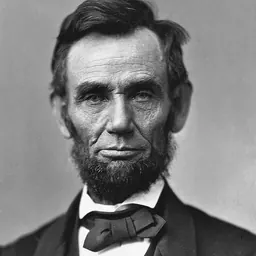
Related people
Same field, nearest in time

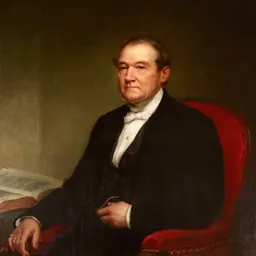


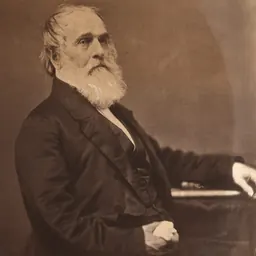
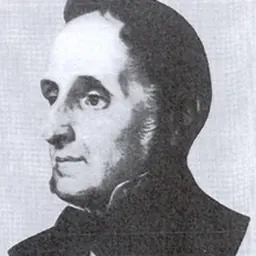
Contemporaries
People whose lives overlapped Johns Hopkins's





Frequently asked questions
Who was Johns Hopkins?
American entrepreneur, philanthropist, and abolitionist (1795–1873)
When was Johns Hopkins born?
Johns Hopkins was born on 19 May 1795 in Gambrills.
When did Johns Hopkins die?
Johns Hopkins died on 24 December 1873 in Baltimore.
What was Johns Hopkins's occupation?
Johns Hopkins was an entrepreneur and philanthropist.
What nationality was Johns Hopkins?
Johns Hopkins was American.
Sources & further reading
Cite this page
APA: Biography.guide. (2026). Johns Hopkins. https://biography.guide/johns-hopkins/
MLA: "Johns Hopkins." Biography.guide, https://biography.guide/johns-hopkins/.
Chicago: "Johns Hopkins." Biography.guide. https://biography.guide/johns-hopkins/.
Data last updated: 2026-09-20 · Spot an error? Report a correction.
Page generated 2026-09-27 05:23 UTC