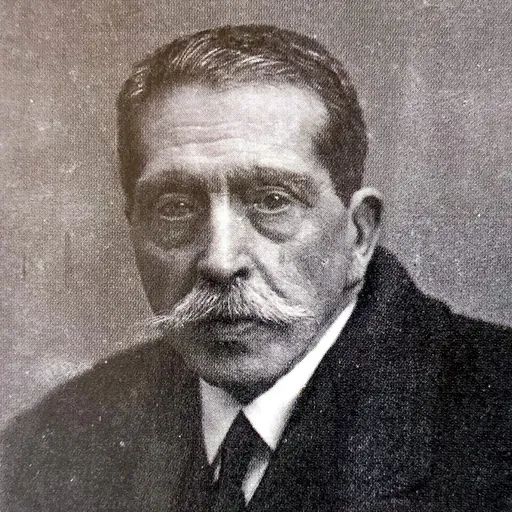
About Joaquim Ruyra
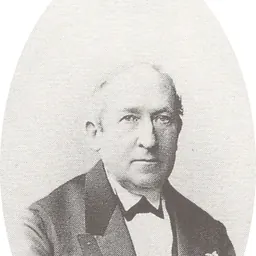
Lived 1858 – 1939 (aged 80). Joaquim Ruyra was a Spanish writer, poet, playwright and short story writer.
Joaquim Ruyra i Oms (Catalan pronunciation: [ʒuəˈkim ruˈi.ɾə]; 27 September 1858 – 15 May 1939) was a Catalan short-story writer, poet and translator, considered a key figure in modern Catalan literature and one of the great narrators of the 20th century. In the summer of 1928, the cork oak forests of his propierty in the Gavarres massif were devastated by a large wildfire. This episode, that affected the wood-and-sea landscape that inspired his major writings, eventually marked the end of his literary career.
During the Spanish Civil War he was first dispossessed of his patrimony and later honoured on his 80th birthday with an official ceremony organized by the Institució de les Lletres Catalanes. He died discreetly in May 1939, in the midst of the war, and was buried in the Blanes municipal cemetery.
Work
Although in his youth he started writing in Spanish, seen at that time as the language for cultural purposes, he soon swifted to his mother tongue influenced by major poet Jacint Verdaguer —whom he met personally— and participated in the literary life of Barcelona, Blanes, Girona and Olot, becoming winner of many Floral Games contests (Jocs florals) in the 1890s–1900s and collaborating in several Catalanist magazines and newspapers (La Renaixença, La Veu de Catalunya, Joventut and others).
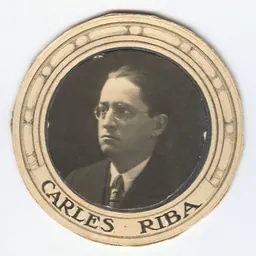
Ruyra cultivated many different genres such as narrative, poetry, drama, essay and literary criticism, but he is best known by the short stories included in the volumes Marines i boscatges (Seascapes and Woodland Scenes, 1903), which was some years later extended and republished as Pinya de rosa (The End Knot, 1920), and also La parada (The Trap, 1919). The third volume was Entre flames (Among Flames, 1928), dedicated to those affected by the forest fires in Gavarres, and next year appeared in the press the philosophical narration Sociòlegs d'ultratomba (After-death Sociologists, 1929). Some of these stories have been translated to Spanish, English, French, German and Italian and have been compared with writings by Herman Melville, Joseph Conrad, Edgar Allan Poe, Robert Louis Stevenson, and Ernest Hemingway. —and represent a model use of language that strongly influenced many great Catalan writers, including Josep Carner, Carles Riba, Josep Pla, Pere Calders and Mercè Rodoreda. Salvador Espriu even declared himself as his literary disciple and stated that Ruyra was "possibly the greatest writer I have known to date in any language".
Nowadays Ruyra's memory is fondly remembered in his hometown Blanes, where the Town Hall promotes a multilingual literary route that explores different sites that inspired and feature in his short stories, such as the shipyards, the cove of Sa Forcanera or the Sanctuary of El Vilar. The house where he lived in Arenys de Mar also has a plaque of ceramic in the façade.
Since 1963, the Enciclopèdia Catalana Foundation and La Galera publishing house award the Joaquim Ruyra Prize of young adult fiction during the Nit de Santa Llúcia ("Saint Lucy's Night"), one of the most important cultural events related to Catalan-language literature.
Don’t just read it —
keep it.
Full-length biographies made to live with: read them, listen on the way to work, watch them tonight.
- E-book
- Audio
- Video
Instant download · yours to keep · every purchase keeps this site free
Important facts
People in Joaquim Ruyra's life
Named in this biography and alive at the same time


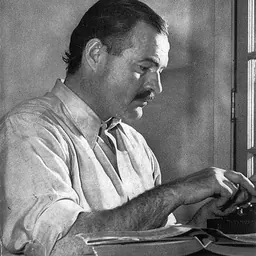
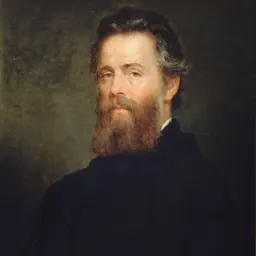
Related people
Same field, nearest in time
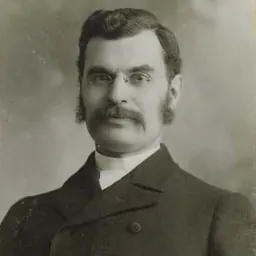
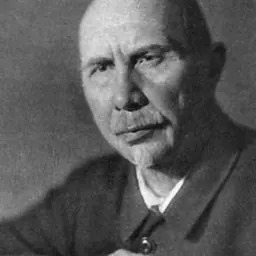

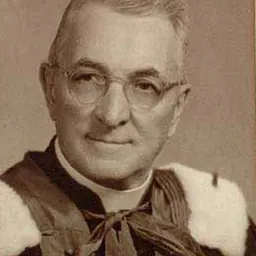

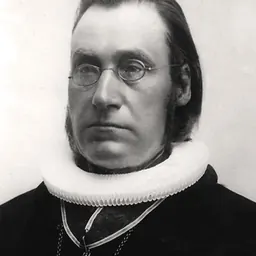
Contemporaries
People whose lives overlapped Joaquim Ruyra's


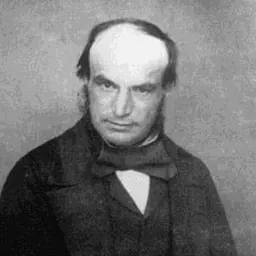
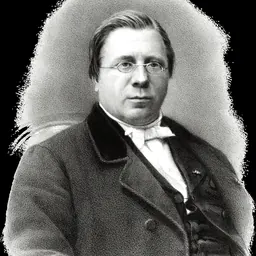
Frequently asked questions
Who was Joaquim Ruyra?
Catalan writer (1858-1939)
When was Joaquim Ruyra born?
Joaquim Ruyra was born on 27 September 1858 in Girona.
When did Joaquim Ruyra die?
Joaquim Ruyra died on 15 May 1939 in Barcelona.
What was Joaquim Ruyra's occupation?
Joaquim Ruyra was a writer, poet, playwright and short story writer.
What nationality was Joaquim Ruyra?
Joaquim Ruyra was Spanish.
Sources & further reading
Cite this page
APA: Biography.guide. (2026). Joaquim Ruyra. https://biography.guide/joaquim-ruyra/
MLA: "Joaquim Ruyra." Biography.guide, https://biography.guide/joaquim-ruyra/.
Chicago: "Joaquim Ruyra." Biography.guide. https://biography.guide/joaquim-ruyra/.
Data last updated: 2026-09-20 · Spot an error? Report a correction.
Page generated 2026-09-27 05:10 UTC