
Jennie Anderson Froiseth
Founder of literary club, and anti-polygamy crusader
About Jennie Anderson Froiseth
Lived 1849 – 1930 (aged 80). Jennie Anderson Froiseth was an American suffragette and writer.
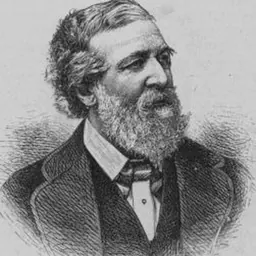
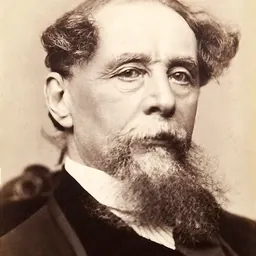
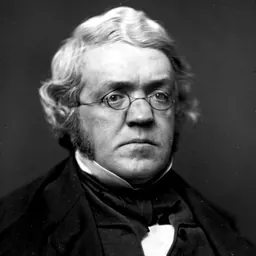
Jennie Anderson Froiseth (December 6, 1849 – February 7, 1930) Colonel Finley Anderson, and her mother, Sarah Strong Anderson. During the five years Froiseth spent abroad studying in Europe, authors Charles Dickens, Robert Browning, and William Makepeace Thackeray were guests of the Anderson home.
The Blue Tea In the late 19th century, Utah Territory was heavily populated by Mormons and dominated religiously and politically by the Church of Jesus Christ of Latter-day Saints (LDS church). The church held great sway over Mormon voters and people outside of the LDS church had very little political representation. Non-Mormons (at the time called "Gentiles") were effectively segregated; for example a non-Mormon woman had few ways to meet other women, whereas the women of the LDS Church could build friendships at the Relief Society. Froiseth struggled with the lack of social engagement. During a visit to family and friends back in New York City in 1875, Froiseth attended the Sorosis Women's club with her sister Julia. The experience Froiseth had at the club motivated her to form a literary club called the Blue Tea in Salt Lake City. The minutes for the Blue Tea can be found in the Special Collections of the Marriott Library, University of Utah.
Anti-polygamy movement
The Anti-Polygamy Society The Carrie Owen case moved Froiseth and other members of the Blue Tea to protest at Independence Hall in Salt Lake City on November 7, 1878. That same day, the women of the protest organized the Ladies' Anti-Polygamy Society of Utah; Sarah Anne Cooke was named president with Froiseth as vice president. The society's purpose "was not to wage war against any party, sect, or person, but...to fight to the death that system which so enslaves and degrades our sex, and which robs them of so much happiness". During the newspaper's life Froiseth compiled the stories of suffering women in polygamous marriages in order to publish The Women of Mormonism: Or, The story of polygamy as told by the victims themselves. Froiseth wanted women from all over the United States to know what was happening in Utah Territory.
Suffragist movement
Utah held intensely liberal views of women's suffrage and also a strong dedication to polygamy. To the people in the East, women's suffrage was seen as the opposite of polygamy. For many, the two ideals could not coincide because polygamy was seen as oppressive to women. Hamilton Wilcox, a New York suffragist (1867–1868), suggested women's suffrage should be experimented with in the territories. People on the east coast were heavily motivated to push women's enfranchisement in Utah Territory, believing it would put an end to polygamy. However, instead of voting against plural marriage, Mormon women helped double the majority in favor of plural marriage by reelecting William H. Hooper, who defended polygamy. Froiseth, a long time believer in the enfranchisement of women and later the vice president of the Utah Women's Suffrage Association (1888), firmly believed Mormon women should not have the right to vote—at least until polygamy was outlawed. She recognized this was inconsistent with her beliefs about women's rights but concluded, by her own judgement, that Mormon women were too heavily influenced to make voting decisions for themselves.
Later years The anti-polygamy Edmunds–Tucker Act passed in 1887, nine years after the organization of The Anti-Polygamy Society. In 1911, Froiseth organized a retirement home for women. She purchased the property and oversaw the architectural plans. The building was named the Sarah Daft Home and 100 years later it was still running as a retirement center. Froiseth became the president of the Sarah Daft Home and also worked with the Orphan's Home and Day Nursery. In her later years, Froiseth was an active member of the Poetry Society and served as its president. Froiseth's daughters, Ethylene and Dorothy, became members of the all-encompassing Ladies Literary Club, which took the place of the exclusive Blue Tea. As Froiseth put it, "the larger scope of the Ladies Literary Club" had discontinued the Blue Tea. Both of her daughters served for a time as president of the Ladies Literary Club.
Don’t just read it —
keep it.
Full-length biographies made to live with: read them, listen on the way to work, watch them tonight.
- E-book
- Audio
- Video
Instant download · yours to keep · every purchase keeps this site free
Important facts
People in Jennie Anderson Froiseth's life
Named in this biography and alive at the same time
Related people
Same field, nearest in time



Contemporaries
People whose lives overlapped Jennie Anderson Froiseth's



Frequently asked questions
Who was Jennie Anderson Froiseth?
founder of literary club, and anti-polygamy crusader
When was Jennie Anderson Froiseth born?
Jennie Anderson Froiseth was born on 6 December 1849 in Ireland.
When did Jennie Anderson Froiseth die?
Jennie Anderson Froiseth died on 7 February 1930.
What was Jennie Anderson Froiseth's occupation?
Jennie Anderson Froiseth was a suffragette and writer.
What nationality was Jennie Anderson Froiseth?
Jennie Anderson Froiseth was American.
Sources & further reading
· Wikipedia: Jennie Anderson Froiseth
· DBpedia: Jennie Anderson Froiseth
Cite this page
APA: Biography.guide. (2026). Jennie Anderson Froiseth. https://biography.guide/jennie-anderson-froiseth/
MLA: "Jennie Anderson Froiseth." Biography.guide, https://biography.guide/jennie-anderson-froiseth/.
Chicago: "Jennie Anderson Froiseth." Biography.guide. https://biography.guide/jennie-anderson-froiseth/.
Data last updated: 2026-09-22 · Spot an error? Report a correction.
Page generated 2026-09-27 05:19 UTC