
About Jan Kubisz
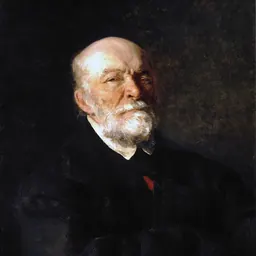
Lived 1848 – 1929 (aged 81). Jan Kubisz was an Austrian poet, national revival activist, teacher, adult educator, cultural worker and writer.
Jan Kubisz (24 January 1848 – 25 March 1929) was a Polish educator and poet from the region of Cieszyn Silesia. His poem Płyniesz Olzo po dolinie (You Flow, Olza, Down the Valley), centered on the Olza River, became unofficial anthem of Cieszyn Silesia, especially Poles in Trans-Olza.
Biography Jan Kubisz was born 24 January 1848 in Końska, Austrian Empire. Kubisz attended primaryschool in Końska and Protestant gymnasium in Cieszyn in 1860–1865 where he was taught in German since were no Polish-language high schools in the region at time of his youth. Kubisz later graduated from a teachers' seminary in Cieszyn and in 1869 began teaching at Polish school in Gnojnik at the age of 21. Kubisz lived at the school for the next 41 years. In 1910, Kubisz built his own house in the village, which remains an important landmark. During his work as a teacher, Kubisz remained active in several Polish organizations.
At the age of 20 in 1868, Kubisz published his first poem, which appeared in the Gwiazdka Cieszyńska weekly magazine. In 1882, Kubisz published Niezapominajka under pen name Szlązak. The Niezapominajka poetry collection focused mainly on national issues and glorified Cieszyn Silesia and customs of local people. In 1889 another poetry collection, Śpiewy starego Jakuba appeared. This collection focused on the social and national issues of his region. Poem Nad Olzą (On the Olza), later known as Płyniesz Olzo po dolinie (You Flow, Olza, Down the Valley) which is a part of this collection later became unofficial anthem of Cieszyn Silesia.
Kubisz also published his works in the Cieszyn press. In 1902 a large poetry book Z niwy śląskiej was published in Lwów thanks to Kubisz's friends. Kubisz's most acclaimed work, Pamiętnik starego nauczyciela (Diary of Old Teacher), was published in 1928 on the eve of Kubisz's life. The work describes the life and customs of the Cieszyn Silesia people at the end of 19th century and Kubisz's experiences as a teacher. Pamiętnik starego nauczyciela continues to be an important work used by historians, ethnographers and linguists.
Kubisz is remembered on both sides of Cieszyn Silesia. In Końska, there is a monument erected in 1968 in his birthplace. Another memorial, built in 1988, is located at Castle Hill Park in Cieszyn. There is also a street and a gymnasium named after him in Cieszyn and Polish primary school in Hnojník is also named after Kubisz.
Works Niezapominajka (1882) – poetry collection Śpiewy starego Jakuba (1889) – poetry collection Z niwy śląskiej (1902) – poetry collection Pamiętnik starego nauczyciela (1928) – diary
Don’t just read it —
keep it.
Full-length biographies made to live with: read them, listen on the way to work, watch them tonight.
- E-book
- Audio
- Video
Instant download · yours to keep · every purchase keeps this site free
Important facts
Family & relationships
Related people
Same field, nearest in time

Contemporaries
People whose lives overlapped Jan Kubisz's




Frequently asked questions
Who was Jan Kubisz?
Polish writer
When was Jan Kubisz born?
Jan Kubisz was born on 24 January 1848 in Konská, Třinec.
When did Jan Kubisz die?
Jan Kubisz died on 26 March 1929 in Hnojník.
What was Jan Kubisz's occupation?
Jan Kubisz was a poet, national revival activist, teacher, adult educator, cultural worker and writer.
What nationality was Jan Kubisz?
Jan Kubisz was Austrian.
Sources & further reading
Cite this page
APA: Biography.guide. (2026). Jan Kubisz. https://biography.guide/jan-kubisz/
MLA: "Jan Kubisz." Biography.guide, https://biography.guide/jan-kubisz/.
Chicago: "Jan Kubisz." Biography.guide. https://biography.guide/jan-kubisz/.
Data last updated: 2026-09-26 · Spot an error? Report a correction.
Page generated 2026-09-27 05:15 UTC