
About Jairamdas Daulatram
Lived 1891 – 1979 (aged 87). Jairamdas Daulatram was an Indian politician and lawyer.
Jairamdas Daulatram (1891–1979) was an Indian political leader from Sindh, who was active in the Indian independence movement and later served in the Government of India. He was appointed as the Governor for the states of Bihar and later Assam. He played a key role in strengthening the North-East Frontier Tracts of India in the face of the Chinese annexation of Tibet, and managed the Indian integration of Tawang in 1951.
Early life Jairamdas Daulatram was born into a Sindhi Hindu family in Karachi, Sindh, which was then part of the Bombay Presidency in British India on 21 July 1891.
After receiving a degree in law, he started a legal practice, but soon gave it up as it often led to conflict with his conscience. In 1915, Daulatram came into contact with Mahatma Gandhi, who had then returned from South Africa, and became his devoted follower. At the Amritsar session of the Indian National Congress in 1919, he worded Gandhi's resolution in such a way that it avoided an impending rift between Gandhi and his other Congress colleagues. Since then Gandhi came to repose great faith in him. He compared him with pure gold saying : 'I swear by Jairamdas. Truer man I have not had the honour of meeting.' Jairamdas enjoyed the trust and affection of Mrs. Sarojini Naidu who described his as a 'Lamp in the Desert' because of his services in the Sindh, which was mostly a desert. His ties with Sardar Vallabhbhai Patel and Rajendra Prasad were also very close.
Freedom struggle Daulatram became an activist in the Home Rule Movement led by Annie Besant and Muhammad Ali Jinnah, demanding "Home Rule", or self-government and Dominion status for India within the British Empire. He also joined the Indian National Congress, which was the largest Indian political organisation. Daulatram was deeply influenced by the philosophy of Mahatma Gandhi, which advocated simple living, and a struggle for independence through ahimsa (non-violence) and satyagraha. perhaps Gandhi's sweetest relations were with Daulatram. At the Amritsar session of the Congress, 1919, acute differences had arisen on the reforms resolution between Gandhiji on the one hand and Tilak, C.R. Das and Mohammed Ali on the other. Recalled Gandhiji years later: "Jairamdas, that cool-headed Sindhi, came to the rescue. He passed me a slip containing a suggestion and pleading for a compromise. I hardly knew him. Something in his eyes and face captivated me. I read the suggestion. It was good. I passed it on to Deshbandhu. 'Yes, if my party Will accept it' was his response. Lokmanya said, 'I don't want to see it. If Das has approved, it is good enough for me.' Malaviya (who was presiding anxiously) overheard it, snatched the paper from my hands and, amid deafening cheers, announced that a compromise had been arrived at."
When Gandhi was launching the Salt March in 1930, he wrote to Daulatram, who was then member of the Bombay Legislative Council: "I have taken charge of the Committee for Boycott of Foreign Cloth. I must have a whole-time secretary, if that thing is to work. And I can think of nobody so suitable like you." Daulatram immediately resigned his seat, took up the new charge, and made a tremendous success of the boycott of foreign cloth.
Daulatram participated in the Non-cooperation movement (1920–1922), agitating against British rule through non-violent civil disobedience. Daulatram rose in the ranks of the Congress and became one of its foremost leaders from Sindh. He was a leading activist in the Salt March (1930–31) and the Quit India movement (1942–45), being imprisoned by British authorities. Daulatram was shot and wounded in the thigh when police opened fire on street protesters agitating outside a magistrate's court in Karachi in 1930. He served as a member of the advisory, union subjects, and provincial constitution committees.
Legacy Daulatram died in 1979. He was said to have been still a poor man, sticking to his Gandhian ideals. The town of Jarampur in the erstwhile Tirap Frontier Division (now Changlang district) was named after him. In 1985, a postage stamp was issued in his honour.
Don’t just read it —
keep it.
Full-length biographies made to live with: read them, listen on the way to work, watch them tonight.
- E-book
- Audio
- Video
Instant download · yours to keep · every purchase keeps this site free
Important facts
People in Jairamdas Daulatram's life
Named in this biography and alive at the same time
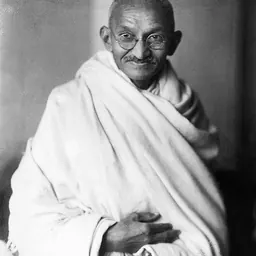
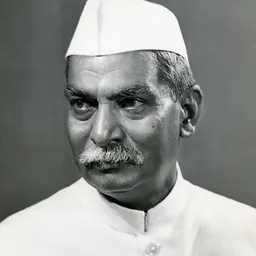
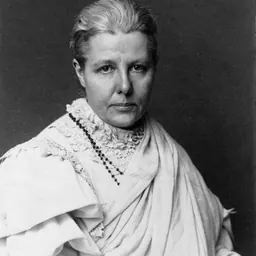
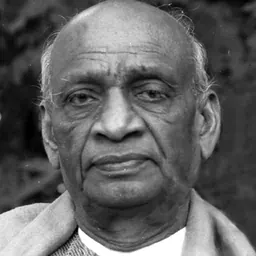

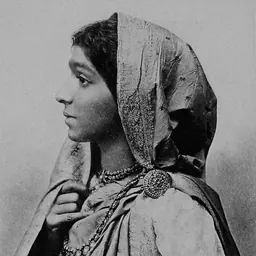
Related people
Same field, nearest in time





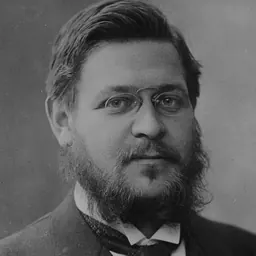
Contemporaries
People whose lives overlapped Jairamdas Daulatram's
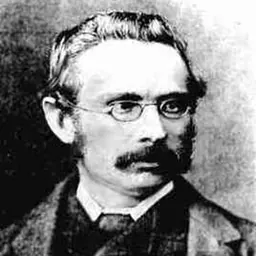
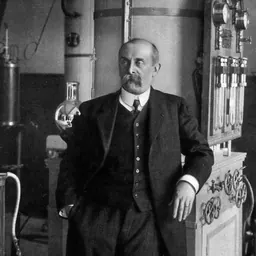


Frequently asked questions
Who was Jairamdas Daulatram?
Indian political leader (1891-1979)
When was Jairamdas Daulatram born?
Jairamdas Daulatram was born on 21 July 1891 in Karachi.
When did Jairamdas Daulatram die?
Jairamdas Daulatram died on 1 March 1979 in Delhi.
What was Jairamdas Daulatram's occupation?
Jairamdas Daulatram was a politician and lawyer.
What nationality was Jairamdas Daulatram?
Jairamdas Daulatram was Indian.
Sources & further reading
· Wikipedia: Jairamdas Daulatram
· DBpedia: Jairamdas Daulatram
Cite this page
APA: Biography.guide. (2026). Jairamdas Daulatram. https://biography.guide/jairamdas-daulatram/
MLA: "Jairamdas Daulatram." Biography.guide, https://biography.guide/jairamdas-daulatram/.
Chicago: "Jairamdas Daulatram." Biography.guide. https://biography.guide/jairamdas-daulatram/.
Data last updated: 2026-09-25 · Spot an error? Report a correction.
Page generated 2026-09-27 05:11 UTC