
About Ibn Abi al-Dunya
Lived 823 – 894 (aged 70–71). Ibn Abi al-Dunya was a teacher, historian, rawi, theologian, author and al-Mu'tadid, known for Al-Mu'tadid.
Abdullah Ibn Abi Al-Dunya (208-281 AH) was a hadith scholar, literary historian, and educator. He was renowned for his books on hadith, history, asceticism, heart-softening narratives, and religious admonitions. He was a prolific author and is considered one of the most productive writers during the era of systematic Islamic compilation. His works demonstrate his extensive knowledge and deep understanding of many sciences and arts. Ibn Kathir mentioned that his works exceeded one hundred compilations, while al-Dhahabi counted over one hundred and sixty works, which he listed alphabetically.
He was born in Baghdad at the beginning of the third century Hijri in 208 AH during the Abbasid Caliphate, and lived during the reign of several Abbasid caliphs, serving as a tutor to two of them. He grew up in a household of knowledge and religion and began receiving education from prominent scholars of his time before the age of ten. His biographers mentioned hundreds of teachers under whom he studied, most notably: his father Muhammad bin Ubayd bin Sufyan, Ahmad ibn Hanbal, Abu Khaythama, Abu 'Ubayd al-Qasim bin Sallam, al-Bukhari, Khalaf bin Hisham, and Ali bin al-Ja'd. Many notable scholars studied under him, including Abu Hatim al-Razi and his son, Ahmad bin Muhammad al-Lunbani, and Ahmad bin Salman Al-Najjad.
His era was marked by intellectual brilliance and talented individuals in various fields of thought. Numerous books were written in Quranic exegesis and sciences, hadith sciences (including the six major collections of hadith), jurisprudence and its principles, theology and philosophical theology, Arabic language and literature, history, medicine, pharmacy, and other fields. He died in the month of Jumada al-Ula, 281 AH, at the age of seventy-three.
Name and Birth
His name was Abdullah bin Muhammad bin Ubaid bin Sufyan bin Qais, Al-Qurashi, Al-Baghdadi. He was known by the kunya Abu Bakr and the title Ibn Abi al-Dunya (which became so dominant that he became more famous by this title than his actual name). Scholars refer to him as the Imam, the Hafiz (master of hadith), the Muhaddith (hadith scholar), the Scholar, the Truthful One, and the Educator.
He was born in Baghdad at the beginning of the third century Hijri in 208 AH. He grew up in a house of knowledge, as his father was one of the narrators of historical accounts, and he began seeking knowledge before reaching the age of ten.
Political Life
Ibn Abi Al-Dunya lived during the reign of several Abbasid caliphs, serving as a tutor to two of them: Al-Mu'tadid Billah (d. 289 AH) and Al-Muktafi Billah (d. 295 AH). He died during the caliphate of Al-Mu'tadid Billah. The caliphs he lived during their reigns were:
Al-Ma'mun (198-218 AH) Al-Mu'tasim Billah (218-227 AH) Al-Wathiq Billah (227-232 AH) Al-Mutawakkil Ala-Allah (232-247 AH) Al-Muntasir Billah (247-248 AH) Al-Musta'in Billah (248-252 AH) Al-Mu'taz Billah (252-255 AH) Al-Muhtadi Billah (255-256 AH) Al-Mu'tamid Ala-Allah (256-279 AH) Al-Mu'tadid Billah (279-289 AH)
This era, during which caliphs succeeded one another in such rapid succession, was significant for its political events and Islamic conquests. It was marked by internal conflicts within the ruling Abbasid family, the increasing influence of non-Arabs in state affairs and their eventual control over them, internal revolts throughout the country, the domination of deviant sects over some caliphs and forcing their views upon them, and enemy raids on Muslim territories.
In summary, Ibn Abi al-Dunya witnessed both phases of the Abbasid state: the period of strength from his birth until 247 AH, and then the period of decline from 247 AH until his death.
Ibn Abi al-Dunya's treatise on music, Dhamm al-malālī ('Condemnation of the malāhī '), is believed by Amnon Shiloah (1924–2014) to have been the first systematic attack on music from Islamic scholarship, becoming 'a model for all subsequent texts on the subject'. His understanding of malāhī, as constituting not just "instruments of diversion" but also musics forbidden and for the purposes of amusement only, was an interpretation that 'guided all subsequent authors who dealt with the question of the lawfulness of music'.
Works Al-Dhahabi remarked about his writings in Siyar A‘lam al-Nubala’: “His writings are very numerous, containing hidden gems and wonders.” He listed around 160 works of Dunya.
The names of his works were also found in an old manuscript in the ‘Umariyya Library, written by hadith scholar al-Mizzī. In it, he listed 167 books. Recently, a researcher and scholar Muhammad Ziyād al-Tuklah, concluded that the total number of his books amounts to 174. These are listed below in alphabetical order:
Akhbār al-Jafāt ‘inda al-Mawt Akhbār al-Khulafā’ Akhbār al-Mulūk Akhbār Daygham Akhbār Mu‘āwiyah Akhbār Quraysh Akhbār Sufyān / Akhbār al-Thawrī Akhbār Uways al-Adab al-Ahwāl / Ahwāl al-Qiyāmah al-Akhlāq al-Alwiyah al-Alḥān al-Amr bi al-Ma‘rūf wa al-Nahy ‘an al-Munkar al-Amwāl / Iṣlāḥ al-Māl al-Anwā’ al-Ashrāf al-Awliyā’ / Karāmāt al-Awliyā’ al-Aḍāḥī / al-Uḍḥiyah al-A‘rāb / Akhbār al-A‘rāb al-Ba‘th al-Dayn / al-Dīn wa al-Wafā’ al-Dhikr al-Du‘ā’ al-Faraj ba‘d al-Shiddah al-Fatwā al-Fawā’id al-Funūn al-Ghībah wa al-Namīmah / Dhamm al-Ghībah al-Hadāyā al-Hamm wa al-Ḥuzn al-Hawātif al-Ikhlāṣ wa al-Niyyah al-Ikhwān / al-Ikhwān wa al-Ma‘āṭif al-I‘tibār wa A‘qāb al-Surūr wa al-Aḥzān al-Jihād al-Jīrān al-Jū‘ al-Khayr al-Khulafā’ al-Khātam al-Khā’ifīn al-Maghāzī al-Majūs al-Mamlūkīn al-Manāmāt al-Manāsik al-Maraḍ wa al-Kaffārāt al-Maṭar wa al-Ra‘d wa al-Barq wa al-Rīḥ al-Ma‘īshah al-Muntaẓam al-Murū’ah al-Mutamannin al-Muḥtaḍirīn al-Nawādir al-Nawāzi‘ wa al-Ri‘āyah al-Qanā‘ah wa al-Ta‘affuf al-Qaṣāṣ al-Qiyāmah al-Qubūr al-Ramī al-Raqā’iq al-Riqqah wa al-Bukā’ al-Riḍā ‘an Allāh bi-Qaḍā’ih al-Ruhbān al-Ruhānā’ al-Rukhsah fī al-Samā‘ al-Ru’yā / Ta‘bīr al-Ru’yā al-Sabaq al-Sakhā’ al-Shukr li Allāh al-Sunnah al-Tafakkur wa al-I‘tibār al-Tahajjud wa Qiyām al-Layl al-Taqwā al-Tashammus al-Tawakkul al-Tawbah al-Tawāḍu‘ wa al-Khumūl al-Ta‘āzī al-Tārīkh al-Wajal wa al-Tawaththuq min al-‘Amal al-Waqf wa al-Ibtidā’ al-Wara‘ al-Waṣāyā al-Yaqīn al-Zafīr al-Zuhd al-Ḥadhar wa al-Shafaqah al-Ḥawā’ij / Qaḍā’ al-Ḥawā’ij al-Ḥayawān al-Ḥilm / al-Ḥilm wa Dhamm al-Faḥsh al-Ṣabr al-Ṣadaqah al-Ṣalāh ‘alā al-Nabī ﷺ al-Ṣamt wa Ādāb al-Lisān al-Ṭabaqāt al-Ṭawā‘īn al-‘Afw wa Dhamm al-Ghaḍab al-‘Aql wa Faḍluh al-‘Awwadh al-‘Awābid al-‘Ilm al-‘Iyāl / al-Nafaqah ‘alā al-‘Iyāl al-‘Umr wa al-Shayb al-‘Uqūbāt al-‘Uzlah wa al-Infirād al-‘Īdayn Dalā’il al-Nubuwwah Dhamm al-Baghī Dhamm al-Bukhl Dhamm al-Dunyā Dhamm al-Faqr Dhamm al-Malāhī Dhamm al-Muskir Dhamm al-Ribā Dhamm al-Riyā’ Dhamm al-Shahawāt Dhamm al-Ḍaḥik Dhamm al-Ḥasad Dhikr al-Mawt / al-Mawt Faḍl ‘Āshūrā’ Faḍā’il al-Qur’ān Faḍā’il al-‘Abbās Faḍā’il Lā Ilāha Illā Allāh Faḍā’il Ramaḍān Faḍā’il ‘Alī Faḍā’il ‘Ashr Dhī al-Ḥijjah Inqilāb al-Zamān Inzāl al-Ḥājah bi Allāh Iṣlāḥ al-Māl Iṣṭinā‘ al-Ma‘rūf I‘ṭā’ al-Sā’il Kalām al-Layālī wa al-Ayyām li-Ibn Ādam / al-Layālī wa al-Ayyām Makārim al-Akhlāq Makā’id al-Shayṭān Man ‘Āsha ba‘d al-Mawt Maqtal al-Zubayr Maqtal al-Ḥusayn Maqtal Sa‘īd ibn Jubayr Maqtal Ṭalḥah Maqtal ‘Abd Allāh ibn al-Zubayr Maqtal ‘Alī ibn Abī Ṭālib Maqtal ‘Umar Maqtal ‘Uthmān Mawā‘iẓ al-Khulafā’ Ma‘ārīḍ al-Kalām / Mu‘āraḍ al-Kalām Mudārāt al-Nās Mujābū al-Du‘āh Muḥāsabat al-Nafs Qaḍā’ al-Ḥawā’ij Qaṣr al-Amal Qurā al-Ḍayf Sawād al-Shayb Shajarat Ṭūbā Sharaf al-Faqr Sidrat al-Muntahā Taghayyur al-Ikhwān Taghyīr al-Zamān Tazwīj Fāṭimah raḍiyallāhu ‘anhā Tārīkh al-Khulafā’ Zuhd Mālik ibn Dīnār Ḥilm al-Aḥnaf ibn Qays Ḥilm al-Ḥulamā’ Ḥilm Mu‘āwiyah Ḥurūf Khalaf Ḥusn al-Ẓann bi Allāh Ṣadaqat al-Fiṭr Ṣifat al-Jannah Ṣifat al-Mīzān Ṣifat al-Nabī ﷺ Ṣifat al-Nār Ṣifat al-Ṣirāṭ ‘Uqūbat al-Anbiyā’
Don’t just read it —
keep it.
Full-length biographies made to live with: read them, listen on the way to work, watch them tonight.
- E-book
- Audio
- Video
Instant download · yours to keep · every purchase keeps this site free
Important facts
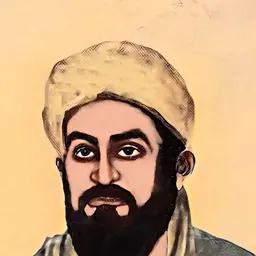
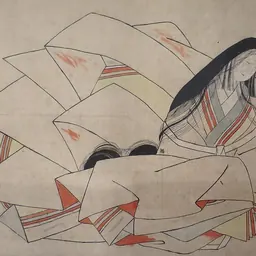
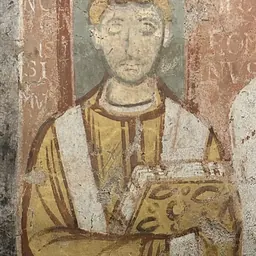
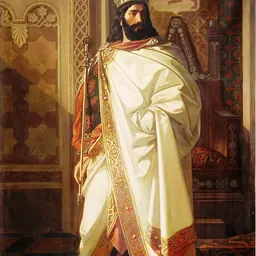
People in Ibn Abi al-Dunya's life
Named in this biography and alive at the same time


Related people
Same field, nearest in time




Contemporaries
People whose lives overlapped Ibn Abi al-Dunya's


Frequently asked questions
Who was Ibn Abi al-Dunya?
Muslim scholar
When was Ibn Abi al-Dunya born?
Ibn Abi al-Dunya was born in 823 in Baghdad.
When did Ibn Abi al-Dunya die?
Ibn Abi al-Dunya died in 894 in Baghdad.
What was Ibn Abi al-Dunya's occupation?
Ibn Abi al-Dunya was a teacher, historian, rawi, theologian, author and al-Mu'tadid.
What was Ibn Abi al-Dunya known for?
Ibn Abi al-Dunya was known for Al-Mu'tadid.
Sources & further reading
Cite this page
APA: Biography.guide. (2026). Ibn Abi al-Dunya. https://biography.guide/ibn-abi-al-dunya/
MLA: "Ibn Abi al-Dunya." Biography.guide, https://biography.guide/ibn-abi-al-dunya/.
Chicago: "Ibn Abi al-Dunya." Biography.guide. https://biography.guide/ibn-abi-al-dunya/.
Data last updated: 2026-09-22 · Spot an error? Report a correction.
Portrait: Wikimedia Commons · author & licence
Page generated 2026-09-27 05:04 UTC