
About Hirabai Barodekar
Lived 1905 – 1989 (aged 84). Hirabai Barodekar was an Indian singer and hindustani Classical Music.
Hirābai Barodekar (1905–1989) was an Indian Hindustāni classical music singer, of Kirana gharana. She was disciple of Ustād Abdul Wahid Khān.
Early life and background Hirabai was born as Champākali to Kirānā Gharānā master Ustād Abdul Karim Khān and Tārābāi Māne. Tarabai was the daughter of Sardār Māruti Rāo Māne, a brother of princely Barodā state's "Rajmātā" during the middle of the 19th century. Abdul Karim Khan was the court musician in Baroda when Tarabai was young, and he taught her music. The two fell in love and decided to get married; but Tarabai's parents disapproved of the alliance, and the couple had to leave the state (along with Abdul Karim's brother, Ustād Abdul Haq Khān). The couple moved to Bombay (Mumbai), and had two sons: Suresh or Abdul Rehmān, and Krishnā; and three daughters: Champākali, Gulāb, and Sakinā or Chhotutāi. In their adult lives, the five respectively became known as Sureshbābu Māne, Krishnarāo Māne, Hirābāi Badodekar (called Champu-tai by close friends), Kamalābāi Badodekar, and Sarswatibāi Rāne.
She had her initial training from her brother Sureshbabu Mane and later training from the doyen of Kirana Gharana, Ustād Abdul Wahid Khān, who was a cousin of her father, Ustad Abdul Karim Khan. (In 1922, Hirabai's parents had parted company; thus Hirabai received only limited musical lessons from her father.)
She often performed along with her younger sister, Saraswati Rane.
Singing career Hirabai appeared in her first public performance under patronage of Kesarbai Kerkar at the age of 15. and the Padma Bhushan Award in 1970. She was also awarded Vishnudas Bhave Award for her contribution to theater.
She was chosen to sing the national song, Vande Mataram, from the Red Fort in India's capital Delhi on the day India received its independence from the British Raj (15 August 1947). She visited China and the East African countries as a part of an Indian delegation in 1953.
She was titled "Gaan kokila" (Nightingale of India) by Sarojini Naidu. An annual music festival is held in Mumbai by her disciple Prabha Atre by the name Sureshbabu – Hirabai Smruti Sangeet Samaroh since 1992, which has become one of the major festivals of music in the country.
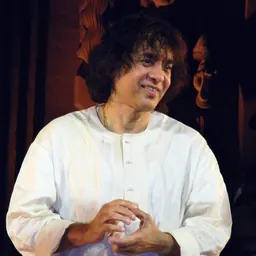
Family She was married to Manikrao Gandhi-Barodekar. Her grandson Nishikant Barodekar is a tabla player, a student of Zakir Hussain.
Disciples
Her prominent disciples includes: Saraswati Rane, Manik Varma, Dr Prabha Atre, Malati Pande, Janaki Iyer, Shaila Pandit, Sulabha Thakar etc There were many women vocalists who were deeply influenced by Hirabai’s singing style and presentation skills.
Don’t just read it —
keep it.
Full-length biographies made to live with: read them, listen on the way to work, watch them tonight.
- E-book
- Audio
- Video
Instant download · yours to keep · every purchase keeps this site free
Important facts
People in Hirabai Barodekar's life
Named in this biography and alive at the same time
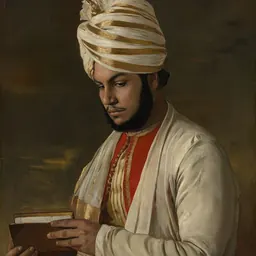


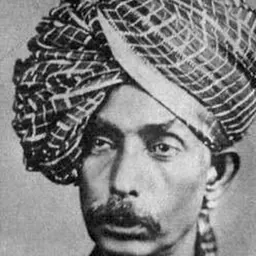
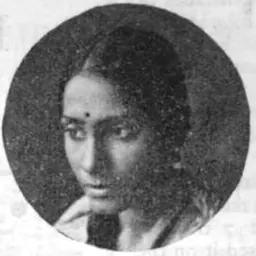
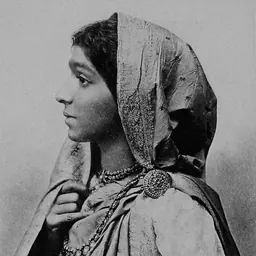
Related people
Same field, nearest in time


Contemporaries
People whose lives overlapped Hirabai Barodekar's



Frequently asked questions
Who was Hirabai Barodekar?
Indian Hindustani classical musician
When was Hirabai Barodekar born?
Hirabai Barodekar was born on 30 May 1905 in Vadodara.
When did Hirabai Barodekar die?
Hirabai Barodekar died on 20 November 1989.
What was Hirabai Barodekar's occupation?
Hirabai Barodekar was a singer and hindustani Classical Music.
What nationality was Hirabai Barodekar?
Hirabai Barodekar was Indian.
Sources & further reading
· Wikipedia: Hirabai Barodekar
Cite this page
APA: Biography.guide. (2026). Hirabai Barodekar. https://biography.guide/hirabai-barodekar/
MLA: "Hirabai Barodekar." Biography.guide, https://biography.guide/hirabai-barodekar/.
Chicago: "Hirabai Barodekar." Biography.guide. https://biography.guide/hirabai-barodekar/.
Data last updated: 2026-09-20 · Spot an error? Report a correction.
Page generated 2026-09-27 05:23 UTC