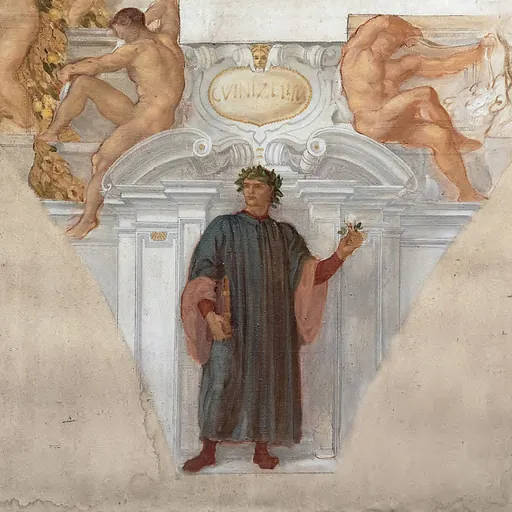
About Guido Guinizelli
Lived 1230 – 1276 (aged 45–46). Guido Guinizelli was a poet and writer.
Guido Guinizelli was an Italian love poet and is considered the "father" He was born in, and later exiled from, Bologna, Italy. It is speculated that he died in Verona, Italy. as well as Io vogli del ver la mia donna laudare and Vedut'ho la lucente stella Diana.
Al cor gentil rempaira sempre amore insists on the unity of noble love and true ‘gentilesse’: This, and the way in which Guido combined passion and intellect to create a philosophical poetry of love, profoundly impressed Dante, who quotes and echoes the canzone several times. The main themes of the Dolce Stil Novo can be found in Guinizelli's poem: the angelic beauty of the beloved women, the comparison of nobility to the sun and the rampant use of topoi such as cor gentil and Amore. Geoffrey Chaucer's lines in Troilus and Criseyde ‘Plesance of love, O goodly debonaire, | In gentil hertes ay redy to repaire’ (III.4–5) seem to be a clear echo of the poem's opening.
The sonnets too display motifs which will reappear in Cavalcanti and Dante, such as the lady's salvific greeting (‘saluto’), the use of natural imagery to praise her (recalling the Song of Songs), and the idea of love as a passion that carries all before it, though a poem such as ‘Vedut'ho la lucente stella diana’ actually fuses together new and old styles.
Role in Dante's Divine Comedy
Purgatorio XI Guido Guinizelli appears twice in Dante Alighieri's Purgatorio. At first, he is briefly mentioned in Purgatorio XI, when Dante encounters the great Italian artist, Oderisi da Gubbio, on the terrace of Pride. While discussing the fleeting nature of fame and recognition, Oderisi refers to Guido Guinizelli and his successor, Guido Cavalcanti (ca. 1250–1300):
Purgatorio XXVI In Purgatorio XXVI, Dante journeys through the terrace of Lust, where he finally meets Guido Guinizelli. Like the other shades on this terrace, Guido is engulfed in flames to repent for his burning desires while alive. Once Guido reveals his identity, Dante narrates the awe and respect he has for the poet: In this tercet, Dante refers to Guinizelli's influence on Italian poetry and the style of Dolce Stil Novo.
Don’t just read it —
keep it.
Full-length biographies made to live with: read them, listen on the way to work, watch them tonight.
- E-book
- Audio
- Video
Instant download · yours to keep · every purchase keeps this site free
Important facts
People in Guido Guinizelli's life
Named in this biography and alive at the same time
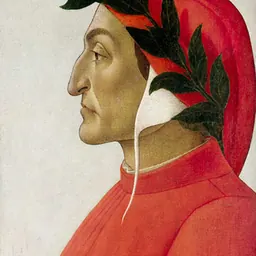
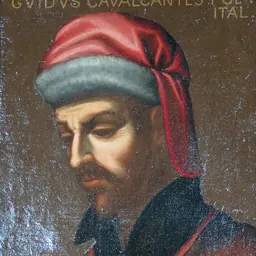

Related people
Same field, nearest in time
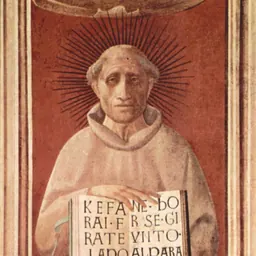




Contemporaries
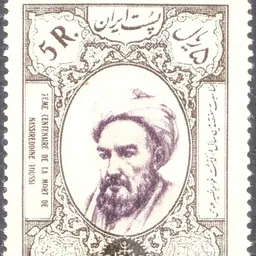
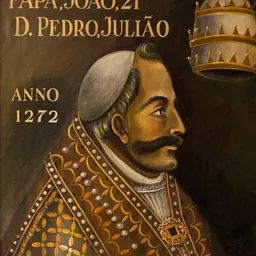
People whose lives overlapped Guido Guinizelli's



Frequently asked questions
Who was Guido Guinizelli?
Italian poet
When was Guido Guinizelli born?
Guido Guinizelli was born in 1230 in Bologna.
When did Guido Guinizelli die?
Guido Guinizelli died in 1276 in Monselice.
What was Guido Guinizelli's occupation?
Guido Guinizelli was a poet and writer.
Sources & further reading
Cite this page
APA: Biography.guide. (2026). Guido Guinizelli. https://biography.guide/guido-guinizelli/
MLA: "Guido Guinizelli." Biography.guide, https://biography.guide/guido-guinizelli/.
Chicago: "Guido Guinizelli." Biography.guide. https://biography.guide/guido-guinizelli/.
Data last updated: 2026-09-20 · Spot an error? Report a correction.
Portrait: Wikimedia Commons · author & licence
Page generated 2026-09-27 04:58 UTC