
About Gordon Leith
Lived 1886 – 1964 (aged 77). Gordon Leith was an architect.
George Esslemont Gordon Leith , AADip, Hon. DArch (1885–1965) was a South African architect. His work evolved from Edwardian to Modernist, vividly representing stylistic developments typical in architecture during the first half of the 20th century. He is known for his classicist designs of official bodies such as banks, town halls and colleges. In the 1930s, he was among the first South Africans using the 'New Style', before turning to the Modernist form. On Leith's Royal Institute of British Architects application form, Sir Herbert Baker wrote: "He wins golden opinions everywhere for his keenness in the profession and sterling character."
Early life and education Gordon Leith was born in Knysna, Cape Colony, one of 9 children born to George Leith, a teacher turned lawyer, and his wife, Sarah Clark Scott. The couple had moved from Scotland to South Africa in search of a better climate for George’s health; they eventually settled in Pretoria. Gordon was sent to Staats Model School, where his classmates included Henk Pierneef, Fanie Eloff and Gerard Moerdijk, with whom Leith would work on several projects over their lifetimes. During the Boer War, Leith studied painting under Frans Oerder, violin under Henri ten Brink and drawing and modelling under Anton van Wouw; Leith was the subject of van Wouw's sculpture 'The Art Student'. In 1902, with the war over, he spent a few months as a draughtsman at the Pretoria Railway Workshops until, in 1903, he was given a position on the architectural staff of the Pretoria Public Works Department. He did so well there that his co-workers convinced his parents to send him to London, to the Architectural Association School of Architecture. From 1905 to 1908, he was the school’s top student and qualified with distinction for his Associateship of the Royal Institute of British Architects. In 1909, he returned to Pretoria.
Career Leith went back to the Pretoria Public Works Department, working under architects Patrick Eagle and James Cormack, and led a team that prepared plans for a large government complex of buildings, including Houses of Parliament. When it was decided that Cape Town would become the legislative capitol of South Africa, and Pretoria its administrative capitol, Sir Herbert Baker was brought in to plan the Pretoria Administrative Buildings, now known as the Union Buildings. In 1916, on the recommendation of then-General Jan Smuts, he was commissioned as a Second Lieutenant in the Royal Field Artillery. In the course of battle in France, he exhibited extreme bravery and was promoted to Captain and awarded the Military Cross; he also survived a gas attack and lived the rest of his life with the effects.
After the 1918 peace, at the request of General Smuts, Leith continued to serve in France as Designing Architect under Baker and Sir Edwin Lutyens at the Imperial War Graves Commission. Working from London, he designed Terlincthun British Cemetery and Calais Southern Cemetery and assisted Lutyens on his memorials. But, with his damaged lungs, Leith needed a better climate. He resigned his commission and returned to South Africa, this time settling in Johannesburg. and Esselmont; he also had a house at Cairo Farm in Heilbron. In the 1950s, he acted as Advisory Architect to the South African Agency of the War Graves Commission and designed several cemeteries. the South African Institute of Architects and the Free State Institute of Architects. Fernhead House, Johannesburg, 1921 Currie House, Johannesburg, 1921 van Soelen House, Johannesburg, 1922 de Roos House, Johannesburg, 1922 Gibson House, Johannesburg, 1922 Villa d'Este, Johannesburg, 1923 Parkes House, Johannesburg, 1923 Cenotaph, Germiston, 1924 Fouché House, Pretoria, 1924 Everitt House, Johannesburg, 1924 A.E. Coaker House, Johannesburg, 1924 C.H. Peach House, Johannesburg, 1924 Meintjes House, Pretoria, 1924 Cleeves House, Pretoria, 1925 Delville Wood Memorial (replica), Pretoria, 1925 Rand Water Board Building, Johannesburg, 1925 Third Church of Christ the Scientist, Johannesburg, 1925 St. Columbia’s Presbyterian Church, Johannesburg, 1926 C.H. Peach House, Durban, 1926 Presbyterian Church Manse, Johannesburg, 1926 Ellenberger House, Johannesburg, 1926 Fouché House, Johannesburg, 1927 Laing House, Johannesburg, 1927 Pretoria Technical College, 1927 Ellis Park Stadium Football Fields, Johannesburg, 1927 Brinkworth House, Johannesburg, 1927 Ivan Curlewis House, Pretoria, 1927 Crosthwaite House, Pretoria, 1927 Coddington House, Johannesburg, 1927 National Bank of South Africa, Nelspruit, 1927 John Orr House, Johannesburg, 1928 Technical College, Germiston, 1928 Brunton House, Hermanus, 1928 Arcadia Mansions, Pretoria, 1928 Endean House, Johannesburg, 1928 Firth House, Johannesburg, 1928 Fleming House, Johannesburg, 1928 M Anstey House, Johannesburg, 1928 Searle Memorial Chapel, Great Brak River, 1928 Rees House: Etunzini, Johannesburg, 1928 Barclays Bank, Naboomspruit, 1929 Hope Convalescent Home, Johannesburg, 1929 Transvaal University College, Pretoria, 1929 Becker House, Johannesburg, 1929 Angehrn House, Johannesburg, 1929 Adams House, Johannesburg, 1929 Argus Printing & Publishing Co. Building, Johannesburg, 1930 Hill House, Pretoria, 1930 Dutch Reformed Church Hall, Vrededorp, 1930 Technical College, Witbank, 1930 Technical College, Krugersdorp, 1930 University of Pretoria Mathematics Building, 1931 Randfontein Estates Private Hospital, Randfontein, 1932 Presbyterian Church & Hall, Johannesburg, 1932 The Star Building, Johannesburg, 1932 Mayfair Presbyterian Church, Johannesburg, 1932 Nederduitse Gereformeerde Kerk Vrededorp, Johannesburg, 1932 The Ridge School, Johannesburg, 1932 Limulunga Palace, Barotseland, Zambia 1933 (attrib.) Nurses' Home, Johannesburg General Hospital, 1933 Anmercosa House, Johannesburg, 1933 The Belfast Warehouse, Johannesburg, 1933 Surrey House, Johannesburg, 1934 Germiston Town Hall, Germiston, 1934 Barclays Bank, Germiston, 1934 Barclays Bank, Pretoria, 1934 Barclays Bank, Boksburg, 1934 Barclays Bank, Brakpan, 1934 Premier Milling Building, Springs, 1934 Benoni High School, Benoni, 1934 Dutch Reformed Church, Heilbron, 1934 Geduld Gold Mine Golf Course, Clubhouse, Geduld, 1934 Barclays Bank, Cape Town, 1935 Salisbury House, Johannesburg, 1935 Brenthurst, Johannesburg, 1935 Harold Jeppe House, Johannesburg, c 1935 South African Reserve Bank, East London, c 1935 Technical College, Springs, 1935 Technical College, Vereeniging, 1935 Town Hall, Parys, 1935 Bloemfontein City Hall, 1936 Boyd House, Johannesburg, 1936 M.O.T.H. Cottages, Johannesburg, 1936 Hugh Solomon Building, Expansion, Johannesburg, 1936 Deutsche Friedenskirche Parsonage, Johannesburg, 1937 Chamber of Mines Hospital, Johannesburg, 1937 Non-European Hospital, Johannesburg, 1937 Witwatersrand Technical College, Johannesburg, 1938 South African Reserve Bank, Johannesburg, 1938 Johannesburg General Hospital, 1939 Queen Victoria Hospital, Johannesburg, 1943 National Bank of South Africa, Johannesburg, 1953 Freemason's Hall, Johannesburg, 1957
Don’t just read it —
keep it.
Full-length biographies made to live with: read them, listen on the way to work, watch them tonight.
- E-book
- Audio
- Video
Instant download · yours to keep · every purchase keeps this site free
Important facts
People in Gordon Leith's life
Named in this biography and alive at the same time
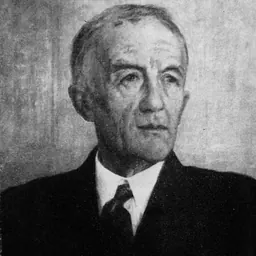



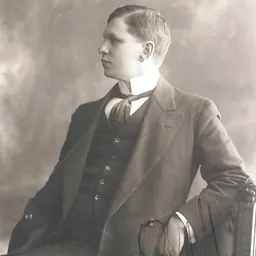


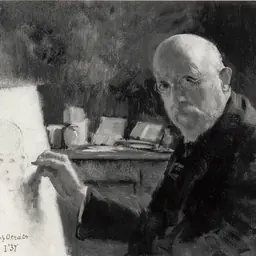
Related people
Same field, nearest in time
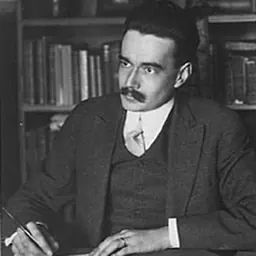
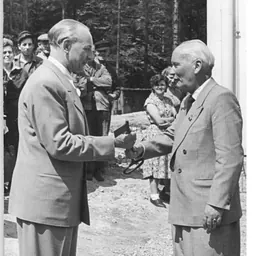
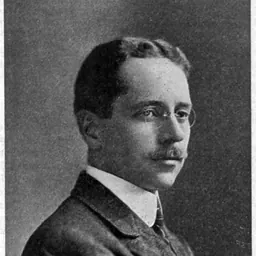
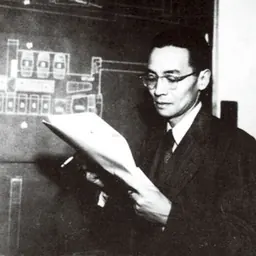
Contemporaries
People whose lives overlapped Gordon Leith's
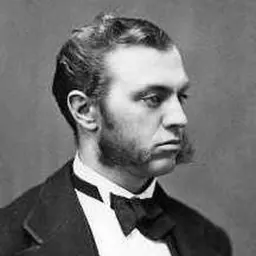


Frequently asked questions
Who was Gordon Leith?
architect
When was Gordon Leith born?
Gordon Leith was born on 23 May 1886 in Knysna.
When did Gordon Leith die?
Gordon Leith died on 15 April 1964.
What was Gordon Leith's occupation?
Gordon Leith was an architect.
Sources & further reading
Cite this page
APA: Biography.guide. (2026). Gordon Leith. https://biography.guide/gordon-leith/
MLA: "Gordon Leith." Biography.guide, https://biography.guide/gordon-leith/.
Chicago: "Gordon Leith." Biography.guide. https://biography.guide/gordon-leith/.
Data last updated: 2026-09-20 · Spot an error? Report a correction.
Page generated 2026-09-27 05:23 UTC