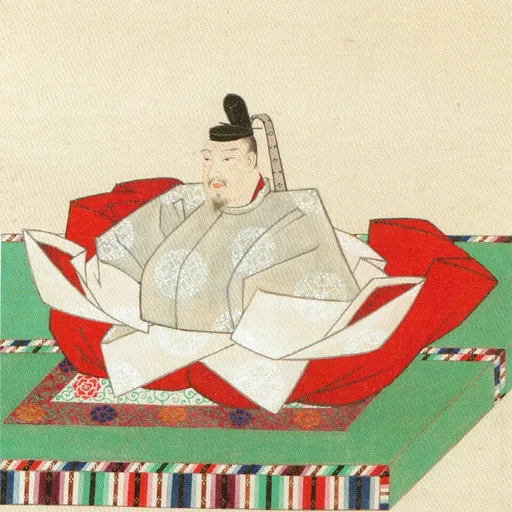
About Go-Kashiwabara
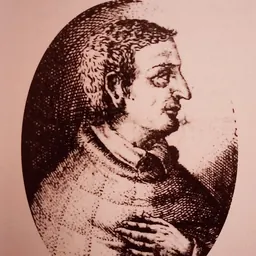
Lived 1464 – 1526 (aged 61). Go-Kashiwabara was a Japanese sovereign.
was the 104th emperor of Japan, according to the traditional order of succession. He reigned from November 16, 1500, to May 19, 1526. His personal name was Katsuhito (勝仁). His reign marked the nadir of Imperial authority during the Ashikaga shogunate.
Genealogy He was the first son of Emperor Go-Tsuchimikado. His mother was Niwata (Minamoto) Asako (庭田(源)朝子), the daughter of Niwata Nagakata (庭田長賢). Lady-in-waiting: Kajūji (Fujiwara) Fujiko (1464–1535; 勧修寺(藤原)藤子) later Hōraku-mon'in (豊楽門院), Kajūji Norihide’s daughter First daughter: Princess Kakuten (1486–1550; 覚鎮女王) First son:?? (1493) Second son: Imperial Prince Tomohito (知仁親王) later Emperor Go-Nara Fifth son: Imperial Prince Kiyohiko (1504–1550; 清彦親王) later Imperial Prince Priest Sonten (尊鎮法親王) Lady-in-waiting: Niwata (Minamoto) Motoko (庭田(源)源子), Niwata Masayuki’s daughter Third son: Imperial Prince Priest Kakudō (1500–1527; 覚道法親王) Second daughter: Princess Kakuon (1506–?; 覚音女王) Sixth son: Imperial Prince Hirotsune (1509–1536; 寛恒親王) later Imperial Prince Priest Gen'in (彦胤法親王) Handmaid (?): Takakura (Fujiwara) Tsuguko (高倉(藤原)継子), Takakura Nagatsugu’s daughter Fourth son: Doko (1503–1530; 道喜)
Events of Go-Kashiwabara's life In 1500, he became Emperor upon the death of his father, the Emperor Go-Tsuchimikado. However, because of the after-effects of the Ōnin War, the Imperial Family was left so impoverished that he was unable to perform the formal coronation ceremony. On the 3rd month, 22nd day of 1521, thanks to contributions from Honganji Jitsunyo (本願寺実如, Rennyo's son) and the Muromachi Bakufu, the Emperor was finally able to carry out this ceremony.
Because of the Ōnin War, the scattering of the Court Nobility, and the poverty of the Imperial Court, the Emperor's authority fell to a low point.
Bunki 1 (1501): The former Shōgun Ashikaga Yoshimura was exiled; and he retired to Suō Province. The former shōgun lived in exile in the home of the daimyō of that han. He changed his name to Ashikaga Yoshitane. He had many supporters, and he summoned the military forces of western Japan to come to his aid. Hosokawa Masamoto was made master of all the provinces which encircled the Kinai. Bunki 2, in the 7th month (1502): Minamoto Yoshitane was elevated to the 2nd tier of the 4th class of kuge officials; and he expressed thanks to the emperor for that honor. In the same month, the name of Ashikaga Yoshitaka was changed to that of Yoshizumi. Bunki 3 (1503): There was a great drought in the summer of this year. Eishō 9, following the Three Ports Riots of 1510 in Joseon Korea, the Emperor made concessions that led to the Agreement of 1512 and reconciliation with the Korean government. Daiei 5, on the 1st day of the 1st month (1525): All ceremonies in the court were suspended because of the lack of funds to support them. Daiei 6, on the 7th day of the 4th month (1525): Go-Kashiwabara died at the age of 63 years. He had reigned 26 years; that is, his reign lasted 3 years in the nengō Bunki, 17 years in the nengō Eishō, and 6 years in the nengō Daiei. The emperor was found dead in his archives.
Kugyō Kugyō (公卿) is a collective term for the very few most powerful men attached to the court of the Emperor of Japan in pre-Meiji eras. Even during those years in which the court's actual influence outside the palace walls was minimal, the hierarchic organization persisted.
In general, this elite group included only three to four men at a time. These were hereditary courtiers whose experience and background would have brought them to the pinnacle of a life's career. During Go-Kashiwabara's reign, this apex of the Daijō-kan included: Sadaijin Udaijin Naidaijin Dainagon
Eras of Go-Kashiwabara's reign The years of Go-Kashiwabara's reign are more specifically identified by more than one era name or nengō. Meiō (1492–1501) Bunki (1501–1504) Eishō (1504–1521) Daiei (1521–1528)
Ancestry
Don’t just read it —
keep it.
Full-length biographies made to live with: read them, listen on the way to work, watch them tonight.
- E-book
- Audio
- Video
Instant download · yours to keep · every purchase keeps this site free
Important facts
Family & relationships
People in Go-Kashiwabara's life
Named in this biography and alive at the same time

Related people
Same field, nearest in time



Contemporaries
People whose lives overlapped Go-Kashiwabara's



Frequently asked questions
Who was Go-Kashiwabara?
emperor of Japan
When was Go-Kashiwabara born?
Go-Kashiwabara was born on 19 November 1464.
When did Go-Kashiwabara die?
Go-Kashiwabara died on 18 May 1526.
What was Go-Kashiwabara's occupation?
Go-Kashiwabara was a sovereign.
What nationality was Go-Kashiwabara?
Go-Kashiwabara was Japanese.
Sources & further reading
· DBpedia: Emperor Go-Kashiwabara
Cite this page
APA: Biography.guide. (2026). Go-Kashiwabara. https://biography.guide/go-kashiwabara/
MLA: "Go-Kashiwabara." Biography.guide, https://biography.guide/go-kashiwabara/.
Chicago: "Go-Kashiwabara." Biography.guide. https://biography.guide/go-kashiwabara/.
Data last updated: 2026-09-23 · Spot an error? Report a correction.
Portrait: Wikimedia Commons · author & licence
Page generated 2026-09-27 05:07 UTC