
About Giò Stajano
Lived 1931 – 2011 (aged 79). Giò Stajano was an Italian writer, journalist and actor.
Countess Maria Gioacchina Stajano Starace Briganti di Panico, known simply as Giò Stajano (1931–2011), was an Italian socialite, writer, journalist, actress, and painter. In the 1960s, before her transition and gender reassignment surgery, she was known as one of the first publicly out gay men in Italy. After the fall of fascism in 1943, her parents separated.
Giò attended the Jesuit school in Villa Mondragone, Frascati. After high school she moved to Florence to study at the Accademia di Belle Arti. Later she moved to Rome and took some courses at Sapienza University.
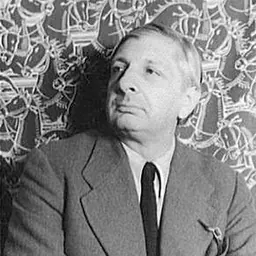
Career and popularity In 1956, during the annual Art Fair in Rome's Via Margutta, Stajano exhibited her paintings, achieving some public success. She met Giorgio de Chirico, Renato Guttuso, and Alberto Moravia, began a friendship with Novella Parigini, and frequented the circles that Federico Fellini would later portray in La Dolce Vita.
In 1959 she published Roma Capovolta (Upside-Down Rome), The authorities seized the explicitly gay book, charging her with propagating ideas contrary to "public morals" that were "harmful to customs." The scandal focused the tabloid press's attention directly on Stajano, who at the time was widely known as the "most famous homosexual in Italy."
Immediately after Roma Capovolta, Stajano hurried to publish Meglio l'Uovo Oggi She opened a nightclub, and visually inspired director Federico Fellini by bathing in the Barcaccia Fountain in the Piazza di Spagna, just as Anita Ekberg would later do in the Trevi Fountain for the film La Dolce Vita. Fellini chose Stajano to portray one of the drag queens in the film. Stajano later claimed that, due to a dispute with the director, her shots were replaced for the theatrical release of the film, but they were later allegedly added back to restored editions for television and home release.
Last years and death In her final years Maria Gioacchina actively moved toward the Catholic Church. She declared to the press that she wanted to enter a female monastery, but that she could not do so solely because of her gender transition, which was not recognized as legitimate by the Church. Finally she did find acceptance among the Sisters of Bethany of the Sacred Heart monastery in Vische, and she entered as a lay sister.
Among her last public appearances was an interview granted to Paolo Bonolis for Il Senso Della Vita (The Meaning of Life) in 2008 and to Piero Chiambretti for the program "Chiambretti Night" in 2009.
In 2021 her Men advice column was collected posthumously and published as a book titled Il Salotto di Giò Stajano (Giò Stajano's Living Room). In 2021 Turin's "Lovers Film Festival" dedicated an award to Giò Stajano's memory, naming her "one of the most important and significant figures of Italian LGBTQI+ culture."
Works Roma capovolta, Quattrucci, Roma, 1959 Meglio l'uovo oggi, Quattrucci, Roma, 1959 Le signore sirene, Quattrucci, Roma, 1961 Vita d'uomo, Tipografia Giolitti, Roma, 1962 (republished by Quattrucci in 1967 with the title Il letto stretto) Gli uni e gli altri, Conte, Lecce, 1963 Roma erotica, Società Editoriale Attualità, Milano, 1967 La mia vita scandalosa, Sperling & Kupfer Editori, Milano, 1992 Pubblici scandali e private virtù. Dalla dolce vita al convento, written with Willy Vaira, Manni, Lecce, 2007 Esercizi d'amore, Manni Editore, Lecce, 2008 (poems by Giò Stajano and Willy Vaira) La mia vita (non più) scandalosa. Scritti inediti di Giò Stajano, edited by S. Cipressa, Ed Insieme, Terlizzi (Ba), 2014. Roma Capovolta, Feltrinelli, Milano, 2025 - reissue edited by Willy Vaira.
Filmography Avventura a Capri, dir. Giuseppe Lipartiti (1959) La dolce vita, dir. Federico Fellini (1960) Ferragosto in bikini, dir. Marino Girolami (1960) Gli scontenti, dir. Giuseppe Lipartiti (1961) Totò, Peppino e... la dolce vita, dir. Sergio Corbucci (1961) La ragazza di mille mesi, dir. Steno (1961) Caccia all'uomo, dir. Riccardo Freda (1961) In the Name of the Italian People, dir. Dino Risi (1971) A Common Sense of Modesty, dir. Alberto Sordi (1976) Nick the Sting, dir. Fernando Di Leo (1976) Nerone, dir. Mario Castellacci and Pier Francesco Pingitore (1976) Un uomo da ridere – TV miniseries, 1 episode (1980) Il 'fico' del regime (da prendere come esempio in mancanza di esempi peggiori), dir. Ottavio Mai and Giovanni Minerba (1991) Tentazioni metropolitane, dir. Gianna Maria Garbelli (1993)
Don’t just read it —
keep it.
Full-length biographies made to live with: read them, listen on the way to work, watch them tonight.
- E-book
- Audio
- Video
Instant download · yours to keep · every purchase keeps this site free
Important facts
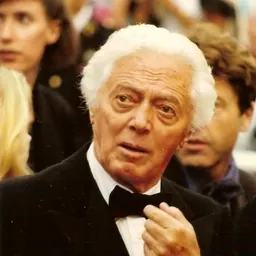
People in Giò Stajano's life
Named in this biography and alive at the same time

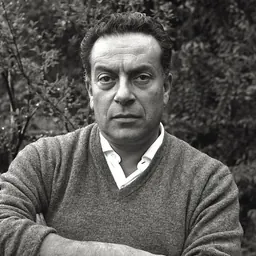

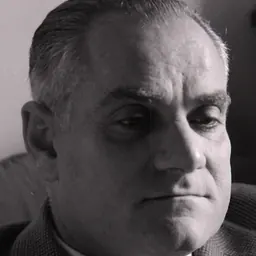
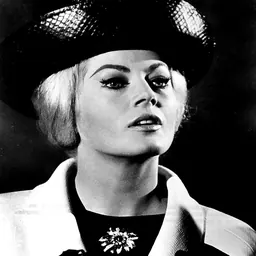
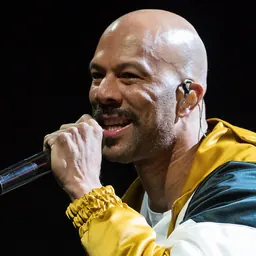
Related people
Same field, nearest in time



Contemporaries
People whose lives overlapped Giò Stajano's

Frequently asked questions
Who was Giò Stajano?
Italian writer, journalist and actor (1931–2011)
When was Giò Stajano born?
Giò Stajano was born on 11 December 1931 in Sannicola.
When did Giò Stajano die?
Giò Stajano died on 26 July 2011 in Alezio.
What was Giò Stajano's occupation?
Giò Stajano was a writer, journalist and actor.
What nationality was Giò Stajano?
Giò Stajano was Italian.
Sources & further reading
Cite this page
APA: Biography.guide. (2026). Giò Stajano. https://biography.guide/gio-stajano/
MLA: "Giò Stajano." Biography.guide, https://biography.guide/gio-stajano/.
Chicago: "Giò Stajano." Biography.guide. https://biography.guide/gio-stajano/.
Data last updated: 2026-09-20 · Spot an error? Report a correction.
Page generated 2026-09-27 05:31 UTC