
George Douglas Gray
(d 1946) Lieutenant Colonel
About George Douglas Gray
Lived 1872 – 1946 (aged 73–74).
Lt. Col. George Douglas Gray (1872 – 12 September 1946) was a Scottish physician who served in the British Army in what is now Malawi and later in what is now Kenya and then as the medical officer to the British ambassador in Peking (now Beijing), China, where he was also the medical superintendent to the British Charitable Hospital there. He assisted in combatting the plague epidemic of 1910–1911 for which he received the thanks of the Chinese government. He was subsequently the British delegate to the International Plague Conference held in Mukden in 1911.
During the First World War, he served in the Royal Army Medical Corps as commanding officer of the hospitals for the Chinese Labour Corps at Noyelles-sur-Mer. In retirement, he wrote a book extolling the benefits of the soya bean which was influenced by his experiences in China.
Early life and family George Gray was born in Edinburgh, Scotland, in 1872,
He married Lucy Agnes RRC in 1900 and they had one son,
Career
Delegates to the International Plague Conference in Mukden, 1911, with George Gray in the second row. Men of the Chinese Labour Corps in France drawing rations, 1918. Gray served in the British Army in the British Central Africa Protectorate from 1894 to 1898. He then served in British East Africa in 1899 and in Ashanti in 1900. He received a medal and clasp for each. He was the principal medical officer for the British Central Africa Administration from 1897 to 1902. He received the thanks of the Chinese government for his work during the plague epidemic of 1910–11, and was the British delegate to the International Plague Conference held in Mukden in 1911. first as Major, and then as acting Lieutenant Colonel. He replaced Major Stafford Mouritz Cox. Under Gray's command, the hospital expanded from 300 to 1,040 beds within six months. In 1922, he was the British delegate to the International Finance Commission for Administration of Maritime Customs Surtax for Famine Relief. In the book, Gray extolled the benefits of soy products based on his experience in China and medical knowledge, and called for more research on the subject in Britain and the establishment of a body to promote the use of soy products.
Death and legacy Gray died on 12 September 1946. who had worked in China at the same time as Gray, and was later an officer with the Chinese Labour Corps in France.
Publications All about the Soya Bean: In agriculture, industry and commerce. John Bale, Sons, and Danielsson, London, 1936.
Don’t just read it —
keep it.
Full-length biographies made to live with: read them, listen on the way to work, watch them tonight.
- E-book
- Audio
- Video
Instant download · yours to keep · every purchase keeps this site free
Important facts
People in George Douglas Gray's life
Named in this biography and alive at the same time
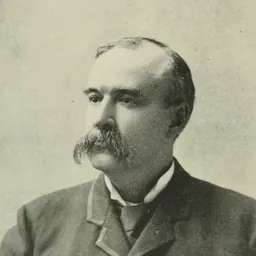

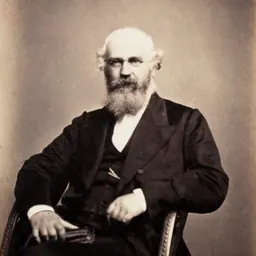

Contemporaries
People whose lives overlapped George Douglas Gray's

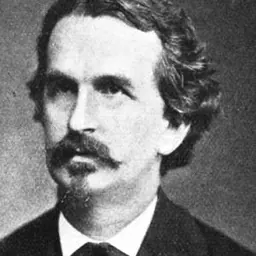
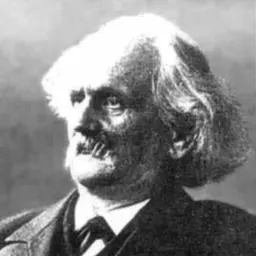

Frequently asked questions
Who was George Douglas Gray?
(d 1946) Lieutenant Colonel
When was George Douglas Gray born?
George Douglas Gray was born in 1872 in Edinburgh.
When did George Douglas Gray die?
George Douglas Gray died on 12 September 1946.
What was George Douglas Gray known for?
George Douglas Gray was known for Manchurian plague.
Sources & further reading
· Wikipedia: George Douglas Gray
· DBpedia: George Douglas Gray
Cite this page
APA: Biography.guide. (2026). George Douglas Gray. https://biography.guide/george-douglas-gray/
MLA: "George Douglas Gray." Biography.guide, https://biography.guide/george-douglas-gray/.
Chicago: "George Douglas Gray." Biography.guide. https://biography.guide/george-douglas-gray/.
Data last updated: 2026-09-20 · Spot an error? Report a correction.
Page generated 2026-09-27 05:07 UTC