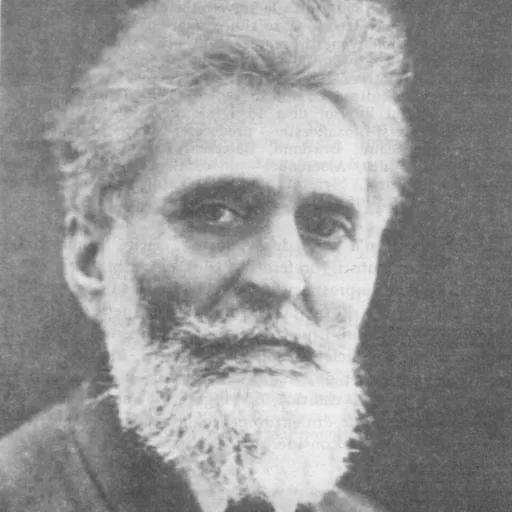
About Garabet Ibrăileanu
Lived 1871 – 1936 (aged 64). Garabet Ibrăileanu was a Romanian linguist, sociologist, literary historian, editing staff, literary critic and translator.
Garabet Ibrăileanu (; May 23, 1871 – March 11, 1936) was a Romanian-Armenian literary critic and theorist, writer, translator, sociologist, University of Iași professor (1908–1934), and, together with Paul Bujor and Constantin Stere, for long main editor of the Viața Românească literary magazine between 1906 and 1930. He published many of his works under the pen name Cezar Vraja.
Biography Ibrăileanu was born into a family of Armenian origin, in Târgu Frumos, Iași County, and attended the Roman-Vodă High School in Roman. During the 1890s, he was attracted to Socialism, and began a collaboration with the left-wing press - periodicals such as Munca and Adevărul. He adopted part of the themes and goals expressed by the defunct Junimea, merging them with the ideas of Marxist thinker Constantin Dobrogeanu-Gherea, into a new form of Romanian populism, making it the main attribute of the magazine he led. He is remembered as the first mentor to such diverse figures as Mihail Sadoveanu, Ion Agârbiceanu, Ionel Teodoreanu, Gala Galaction, Octavian Goga, George Topîrceanu, and Tudor Arghezi.
In his first major essay (1908), Spiritul critic în cultura românească (roughly: "Selective Attitudes in Romanian Culture"), Ibrăileanu analysed the trends in Romanian literature from cca. 1840 to cca. 1880, trying to establish what had been the characteristics of original works. This is the first draft of his theory of selection, through which he determined the relationship between social context and artists' subjectivism (using it to explain why original artists had been ignored in favor of conformist ones of lesser talent). His thesis found its first major critic in modernist figure Eugen Lovinescu.
He expanded the idea in works of literary criticism that are still influential: in 1909 - Scriitori şi curente ("Writers and Trends"); in 1912 - Opera literară a d-lui Vlahuță ("Mr. Vlahuță's Literary Works"), a doctorate thesis that featured one of Ibrăileanu's most quoted chapters, Literatura și societatea ("Literature and Society"); in 1930 - Studii literare ("Literary Studies"), containing his other major writing, Creaţie și analiză ("Creation and Analysis"). He also authored a volume of aphorisms (1930), and a novel - Adela (1933).
Ibrăileanu died in Bucharest in 1936, and was buried at Eternitatea Cemetery in Iași. Denied admission to the Romanian Academy throughout his life, Garabet Ibrăileanu received posthumous membership in 1948.
Don’t just read it —
keep it.
Full-length biographies made to live with: read them, listen on the way to work, watch them tonight.
- E-book
- Audio
- Video
Instant download · yours to keep · every purchase keeps this site free
Important facts
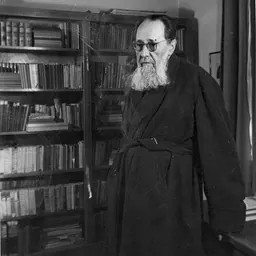
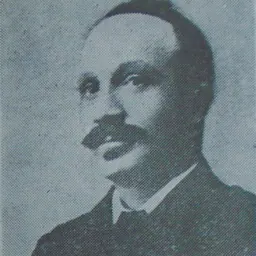
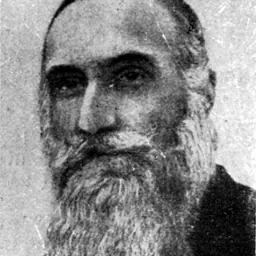
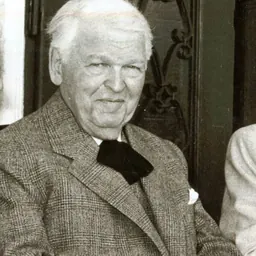
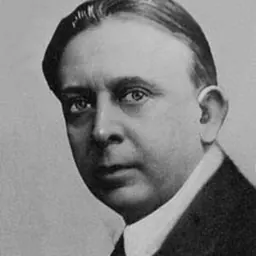
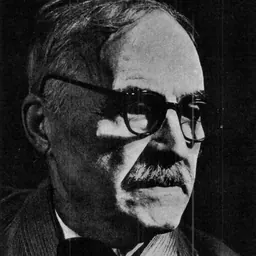
People in Garabet Ibrăileanu's life
Named in this biography and alive at the same time


Related people
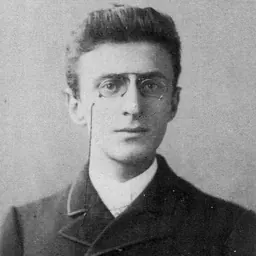
Same field, nearest in time


Contemporaries
People whose lives overlapped Garabet Ibrăileanu's

Frequently asked questions
Who was Garabet Ibrăileanu?
Romanian academic (1871–1936)
When was Garabet Ibrăileanu born?
Garabet Ibrăileanu was born on 23 May 1871 in Târgu Frumos.
When did Garabet Ibrăileanu die?
Garabet Ibrăileanu died on 11 March 1936 in Bucharest.
What was Garabet Ibrăileanu's occupation?
Garabet Ibrăileanu was a linguist, sociologist, literary historian, editing staff, literary critic and translator.
What nationality was Garabet Ibrăileanu?
Garabet Ibrăileanu was Romanian.
Sources & further reading
· Wikipedia: Garabet Ibrăileanu
Cite this page
APA: Biography.guide. (2026). Garabet Ibrăileanu. https://biography.guide/garabet-ibraileanu/
MLA: "Garabet Ibrăileanu." Biography.guide, https://biography.guide/garabet-ibraileanu/.
Chicago: "Garabet Ibrăileanu." Biography.guide. https://biography.guide/garabet-ibraileanu/.
Data last updated: 2026-09-22 · Spot an error? Report a correction.
Portrait: Wikimedia Commons · author & licence
Page generated 2026-09-27 05:02 UTC