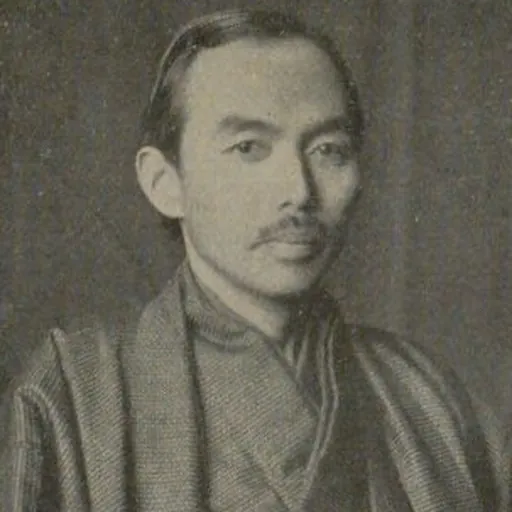
About Fuboku Kosakai
Lived 1890 – 1929 (aged 38). Fuboku Kosakai was a Japanese novelist, translator, science fiction writer, medical researcher and poet.
Kosakai Mitsuji (, 8 October 1890 – 1 April 1929), better known by the pen name Kosakai Fuboku , was a Japanese medical scientist and crime writer.
A variant of the family name Kosakai is Kozakai .
Biography Early life Mitsuji was born in Kanie, Aichi Prefecture, into a landlord family, and was moved to Nagoya by his father when he was young. He was described as a clever child who usually gained full scores in all the subjects except physical education. He entered the Third Higher School in Kyoto after graduating from middle school in Nagoya, then entered Tokyo Imperial University. The pen name "Fuboku" had been used since middle school.
As a detective story translator and writer Fuboku translated works of a Swedish author, , from German translations, under the pen name Torii Reisui in 1923. With encouragement from Edogawa Ranpo, who was mentored by Fuboku and Uson, Fuboku started to create. Although he had tried writing novels while in university and had serialized some stories for children, he regarded his debut work as the 1925 short story "Noroware No Ie" (, "The Cursed Family"). In 1927, he serialized his only novel, "Gimon No Kurowaku" (, "The Suspicious Black Frame"). It is said to have been adapted into a movie, but no evidence of the movie's existence has been found.
Because of the emphasis on anatomical details and pathological psychology, his style was described as "unhealthy" or "morbid" by , together with Edogawa Ranpo, Yokomizo Seishi, and .
Later years Fuboku built a laboratory at his home in Nagoya in 1928 and started serology research. Meanwhile, he showed an intent to move his focus of activity to biomedical research in an essay "Pen Kara Shikenkan E" (, "From Pen to Test Tube").
He died of acute pneumonia on April 1, 1929.
Legacy Pinoeer of Japanese science fiction The 1926 work "An Artificial Heart" depicts in detail the process of manufacturing an artificial heart and expresses skepticism toward the anthropic mechanism. One of his representative stories, "Ren'ai Kyokusen" (, "The Curves of Love"), was considered to share similar themes with "An Artificial Heart" about the relationship between physiological indicators and human emotions.
Relationship with Edogawa Ranpo When Edogawa Ranpo sent his literary debut work "The Two-Sen Copper Coin" to Morishita Uson, Uson praised the story and sent it to Fuboku. With the support of these two people, Ranpo was given the opportunity to have his work published. Ranpo contributed to editing the complete collection of Fuboku after his death.
Nenge Kukai Fuboku was also active as an amateur haiku poet.
Don’t just read it —
keep it.
Full-length biographies made to live with: read them, listen on the way to work, watch them tonight.
- E-book
- Audio
- Video
Instant download · yours to keep · every purchase keeps this site free
Important facts
People in Fuboku Kosakai's life
Named in this biography and alive at the same time
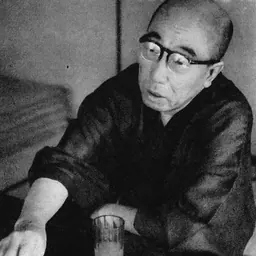
Related people
Same field, nearest in time
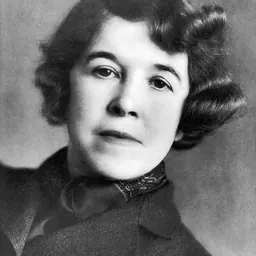
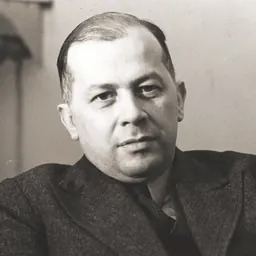




Contemporaries
People whose lives overlapped Fuboku Kosakai's





Frequently asked questions
Who was Fuboku Kosakai?
Japanese writer
When was Fuboku Kosakai born?
Fuboku Kosakai was born on 8 October 1890 in Aichi Prefecture.
When did Fuboku Kosakai die?
Fuboku Kosakai died on 1 April 1929.
What was Fuboku Kosakai's occupation?
Fuboku Kosakai was a novelist, translator, science fiction writer, medical researcher and poet.
What nationality was Fuboku Kosakai?
Fuboku Kosakai was Japanese.
Sources & further reading
Cite this page
APA: Biography.guide. (2026). Fuboku Kosakai. https://biography.guide/fuboku-kosakai/
MLA: "Fuboku Kosakai." Biography.guide, https://biography.guide/fuboku-kosakai/.
Chicago: "Fuboku Kosakai." Biography.guide. https://biography.guide/fuboku-kosakai/.
Data last updated: 2026-09-21 · Spot an error? Report a correction.
Portrait: Wikimedia Commons · author & licence
Page generated 2026-09-27 05:00 UTC