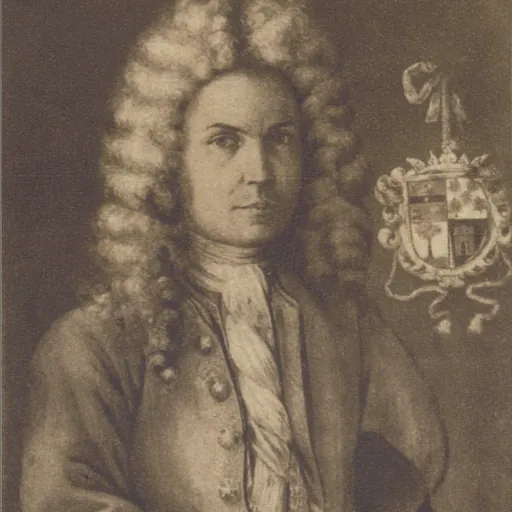
About Felipe de Neve
Lived 1724 – 1784 (aged 59–60). Felipe de Neve was a Spanish explorer and governor.
Felipe de Neve y Padilla (1724 – 3 November 1784) was a Spanish soldier who served as the 4th Governor of the Californias, from 1775 to 1782. Neve is one of the founders of Los Angeles and was instrumental in the foundation of San Jose and Santa Barbara.
Biography
Early life Born in Bailén, Spain, Neve was the son of Mary D. Padilla y Costilla and Felipe de Neve Noguera Castro y Figueroa and was born into one of the well-respected families of Andalucia. Neve entered the military in 1744 at about 16 years of age. Neve served as a soldier in Cantabria, Flanders, Milan, and Portugal before arriving in New Spain. During his time as a major he administered the colleges of Zacatecas, New Spain.
Neve was appointed as acting Governor of Las Californias on October 18, 1774 by Viceroy Antonio Maria de Buareli y Ursua. For the first two years of his appointment, Neve was based in Loreto, Baja California and later moved to Monterey.
Las Californias It was during Neve's administration that Lieutenant José Joaquín Moraga is credited with building the Presidio of San Francisco, after the site was selected by Juan Bautista de Anza in 1776. Moraga is also known as the founder of El Pueblo de San José de Guadalupe, the present day city of San Jose, California. On November 29, 1777, Moraga founded San José on orders from Antonio María de Bucareli y Ursúa, the Spanish Viceroy of New Spain. It was the first Spanish colonial pueblo in the northern region of Las Californias Province, which became its own Alta California Province in 1804. The city served as a farming community to support the Presidio of San Francisco and the Presidio of Monterey.
In 1781, later in Neve's tenure, he founded the Pueblo de Los Ángeles. Governor Neve had applied to Viceroy Bucareli for permission to establish a settlement (pueblo) near the Los Angeles River (Río de Porciúncula), where Father Juan Crespí had met local Tongva Indians. With the viceroy's approval, de Neve was granted authority from The Crown, Charles III of Spain, to found and establish the second pueblo in upper Las Californias, El Pueblo de Nuestra Señora la Reina de los Ángeles del Río de Porciúncula (The Pueblo of Our Lady Queen of the Angels of the Porciúncula River), the present day city of Los Angeles, California. Neve is credited with being one of the first urban planners because he personally drew the plans for the pueblo. Neve traveled north to inspect the Presidio and mission of San Francisco and the mission of Santa Clara and issued several reports on recent happenings in the Californias and recommendations for establishments, including the recommendation for the site of the city of Los Angeles. "The site had been scheduled for a mission since 1769 when Franciscan Father Juan Crespi first saw it and named it Nuestra Señora de Los Angeles de la Porciuncula for the river on which it was located."
In 1781, Neve issued the "Reglamento para el gobierno de la provincia de Californias (Regulations for the Government of the Province of the Californias), the first rules regarding governance of secular pueblos like Los Angeles.
Los Angeles The Founding of Los Angeles mural at the Los Angeles Central Library; Dean Cornwell, 1933. The location of the site was already inhabited by Native Americans who Father Crespi described as "very docile and friendly." The town was called Yabit and the attitude of the Natives towards the foreigners did not change over time. Neve arrived to the site in 1779 where he selected three dozen boys and girls for conversion to Christianity and acted as the godfather to twelve of the children. Neve also selected a young married couple, renamed them as Felipe de Neve and Phelipa Theresa de Neve and remarried them.
With the Viceroy's approval, de Neve was granted authority from The Crown, Charles III of Spain, to found and establish the second pueblo in upper Las Californias, El Pueblo de Nuestra Señora la Reina de los Ángeles del Río de Porciúncula (The Pueblo of Our Lady Queen of the Angels of the Porciúncula River), the present day city of Los Angeles, California was founded on September 4, 1781. Of the sixteen families Neve planned on moving to the newly established pueblo, only eleven families made it. Throughout the journey some stayed back or became too ill to travel. He also led a campaign against the Yumi Indians in Arizona and Southern California.
Final years and honors Felipe de Neve recited the Cross of the Order of San Carlos and was made a Brigadier General. Governor de Neve's success as provincial governor won him a promotion in 1783 to succeed Teodoro de Croix as Commandante General of the Provinicas Internas, a position that had authority over al the northern provinces, including Las Californias. He held the position of Comandante General of the Frontier Provinces until his death on November 3, 1784, in hacienda Nuestra Señora del Carmen de Pena Blanca, Chihuahua, New Spain.
Legacy Felipe de Neve Library, Los Angeles.A bronze statue of Felipe de Neve by Henry Lion was installed in 1932 at the Los Angeles Plaza Park in the El Pueblo District of Los Angeles, California, by the City of Los Angeles. The statue is mounted on a and includes a bronze dedication plaque with the following inscription:
Felipe de Neve, 1728–84, Spanish governor of the Californias, 1775–82. In 1781 on the orders of King Carlos III of Spain, Felipe de Neve selected a site near the river Porciuncula and laid out the town of El Pueblo de la Reina de Los Angeles, one of 2 Spanish pueblos he founded in Alta California
The pueblo was proclaimed a city on May 23, 1835, by the Mexican Congress.
De Neve Drive in the Westwood neighborhood of Los Angeles is named after him, as are the student housing buildings of De Neve Plaza at the University of California, Los Angeles. The Felipe de Neve Branch Library of the Los Angeles Public Library is located in Lafayette Park in Westlake, Los Angeles is dedicated to him.
Don’t just read it —
keep it.
Full-length biographies made to live with: read them, listen on the way to work, watch them tonight.
- E-book
- Audio
- Video
Instant download · yours to keep · every purchase keeps this site free
Important facts
People in Felipe de Neve's life
Named in this biography and alive at the same time

Related people
Same field, nearest in time


Contemporaries
People whose lives overlapped Felipe de Neve's




Frequently asked questions
Who was Felipe de Neve?
Governor of the Californias
When was Felipe de Neve born?
Felipe de Neve was born in 1724 in Bailén.
When did Felipe de Neve die?
Felipe de Neve died on 3 November 1784 in Coahuila.
What was Felipe de Neve's occupation?
Felipe de Neve was an explorer and governor.
What nationality was Felipe de Neve?
Felipe de Neve was Spanish.
Sources & further reading
Cite this page
APA: Biography.guide. (2026). Felipe de Neve. https://biography.guide/felipe-de-neve/
MLA: "Felipe de Neve." Biography.guide, https://biography.guide/felipe-de-neve/.
Chicago: "Felipe de Neve." Biography.guide. https://biography.guide/felipe-de-neve/.
Data last updated: 2026-09-20 · Spot an error? Report a correction.
Portrait: Wikimedia Commons · author & licence
Page generated 2026-09-27 04:57 UTC