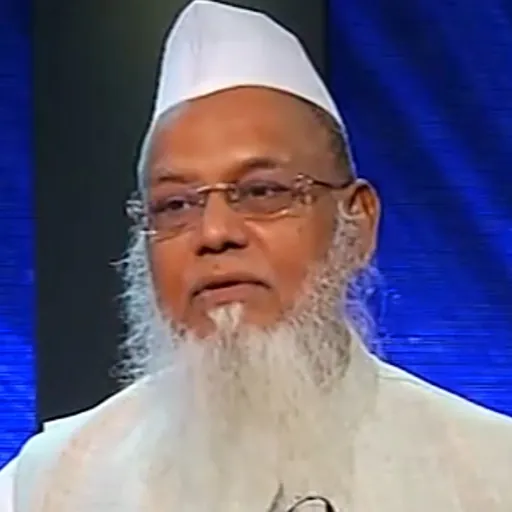
Farid Uddin Masood
Bangladeshi Deobandi Islamic Scholar
About Farid Uddin Masood
Born 1950.
Farid Uddin Masood (; born 7 March 1950) is an Islamic scholar in Bangladesh known for his role as the Imam of Sholakia National Eidgah, Chairman of the National Religious Madrasa Education Board of Bangladesh, President of Bangladesh Jamiyatul Ulama, Director of Iqra Bangladesh, and former Director of Islamic Foundation Bangladesh. He has made significant contributions in various areas, such as serving as a key member of the Lajnatut Talaba for the expansion of Bengali Islamic literature. As the co-chair of the Bangladesh Qawmi Madrasa Education Commission, he played a pivotal role in obtaining recognition for the equivalency of Qawmi madrasa certificates. He is renowned for his Fatwa of Peace for Humanity against terrorism and suicide bombings, which has been endorsed by over 100,000 scholars. He has authored and translated more than a hundred books and serves as the editor-in-chief of the Monthly Patheo.
Early life Masood was born on 7 March 1950 in Hijlia in Pakundia Upazila of Kishoreganj district. His paternal residence was in Belanka under Tarail Upazila in the same district. His father, Abdur Rashid, was a teacher by profession and his mother was Sayeda Zebunnisa. In his personal life, he is the father of one daughter and three sons.
He completed his primary education under his father. Then he enrolled in Al Jamiatul Imdadiya, Kishoreganj. Among his teachers at Deoband were notable figures such as Sharif Hasan Deobandi, Muhammad Ali, and Zakariyya Kandhlawi. He has received the permission for Baiat from Asad Madni.
Career After completing his Takmil fil Hadith from Al Jamiatul Imdadiya, Kishoreganj, in 1969 he began teaching there. When the Bangladesh Liberation War started, he actively participated in the war. After the independence, he started teaching at Jamia Islamia Darul Ulum Madania in Dhaka. Later, he moved to Darul Uloom Deoband and then joined Jamia Arabia Imdadul Uloom Faridabad as a muhaddith. He taught at institutions like Jamia Shariyyah Malibagh and Jamia Madania Baridhara, and currently he is serving as Sheikhul Hadith at Jamia Iqra Bangladesh.
Currently, he is the Imam of the Sholakia National Eidgah, the President of the National Religious Madrasa Education Board of Bangladesh and the Bangladesh Jamiyatul Ulama, the Director of Iqra Bangladesh, a special adviser to The Asia Foundation, the Foundation for Global Policy Studies, the Islamic Research Council of Bangladesh, the Chairman of Iqra Multimedia Worldwide Limited, and the editor of the Monthly Patheo. Qazi Mu'tasim Billah was the main inspiration for him. He has authored 31 books, including 12 translated works. Additionally, he started a Bengali Islamic magazine called Monthly Patheo. He organized the first international Hadith conference in Bangladesh through his institution, Iqra Bangladesh Madrasa, which saw the participation of several Hadith scholars from Mecca, Syria, and Iraq. He has recently completed a Sirat spanning two thousand pages.
Madrasas As a proponent of the Deobandi movement, he actively promoted and spread its teachings in Bangladesh. To that end, he founded a madrasa called Jamiatul Islah Al-Madania in Ichhapur village, located in the Jaora Union of Thakurgaon. He arranges an annual four-day Islahi Ijtema on the grounds of the madrasa, drawing scholars, educators, and the general public from far and wide. Through this event, he motivates the public to pursue self-purification. In addition to this madrasa, he established Jamia Iqra Bangladesh in Rampura, Dhaka, of which his younger brother Arif Uddin Maruf is currently the chairman. He also established several other unorthodox religious schools under the banner of Iqra Bangladesh, which are overseen by his eldest son, Sadaruddin Maknoon.
Organisations He established an organization called Lajnatut Talaba, which became part of the Deobandi movement. He stated, "Lajnatut Talaba was not only a hub for Bengali Islamic discourse, but it was also an organization dedicated to promoting awareness of the Deobandi movement." In 2014, he founded Bangladesh Jamiyatul Ulama, and through this organization, he served as the co-chair of the Bangladesh Qawmi Madrasa Education Commission, aiming to gain recognition for Qawmi madrasas in Bangladesh. Additionally, he called for the provision of government salaries for imams in Bangladesh during a sukrana conference. He also urged Shah Ahmad Shafi, the former chairman of the Bangladesh Qawmi Madrasa Education Commission, to be honored with the Independence Award at the same event.
Government recognition of Qawmi madrasa
Farid Uddin Masood played a pivotal role in the implementation of government recognition for Qawmi madrasas. In 2006, Islamic scholars gathered to demand recognition for Qawmi madrasas from former Prime Minister Khaleda Zia, but their efforts were unsuccessful. Later, under Sheikh Hasina's government, a committee was formed to focus on implementing recognition, with Shah Ahmad Shafi as the chairman and Farid Uddin Masood as the co-chairman. The government urged for unity among the Islamic scholars, leading to the formation of the committee. He has also denounced attacks on religious institutions such as churches, pagodas, temples, and other places of worship throughout the country as being forbidden in Islam.
Fatwa against terrorism A fatwa has been issued by 100,000 Bangladeshi Islamic clerics forbidding terrorism and suicide bombings, which have been declared "haram" or forbidden under Islamic law. The fatwa comes in response to increasing concerns about extremist attacks in Bangladesh, including the July 2016 attack on a cafe in Dhaka, which killed 22 people. The Bangladesh Jamiyatul Ulama, one of the country's largest Islamic groups, endorsed the fatwa, and its leaders have called on the government to enforce it and take strong action against violators. The move is seen as a positive step in countering extremist ideology in Bangladesh.
Liberation war and war criminals Contribution in Liberation war Farid Uddin Masood is a noteworthy figure among the freedom fighters of Bangladesh. He was actively involved in organizational work during the liberation war and consistently fought for independence. Essentially, he was motivated by his teachers to work towards the betterment of the country and subsequently joined the liberation war. One of his teachers, Qazi Mu'tasim Billah, was also a freedom fighter.
Works against war criminals In 2001, when the four-party alliance formed the government in Bangladesh, Motiur Rahman Nizami and Ali Ahsan Mohammad Mojaheed of the Bangladesh Jamaat-e-Islami were appointed as ministers. In protest, Masood voluntarily resigned from his position as director of the Islamic Foundation Bangladesh, citing his stance against enemies of Bangladesh's independence. In 2005, while traveling to the UK for an international peace conference, Masood was arrested at Hazrat Shahjalal International Airport in connection with a countrywide bombing campaign on 17 August 2005. After two days of remand, the investigating officer in the case granted him impunity from charges of involvement in the bombing campaign and referred to the accusation as "false, baseless, and fabricated" in the investigation report. The International Criminal Tribunal had accused Jamaat-e-Islami of war crimes, and in 2006, Masood began a political resistance movement against the party. Later, he joined the Sector Commanders' Forum in demanding the trial of war criminals and supported the Shahbag protests, which called for the trial of war criminals.
Public service He established a charitable organization named Islahul Muslimin Parishad that offers aid during natural disasters in various regions across the country. The organization carries out several social welfare programs, including distributing food aid to those affected by floods, providing medical treatment and supplies to the sick, and generating employment opportunities for the impoverished. Additionally, they launch campaigns advocating against dowry and organize dowry-free weddings. These events provide essential items such as wedding attire and equipment for orphaned and underprivileged grooms and brides, as well as vehicles, sewing machines, and goats for employment purposes. The organization also collaborates with The Asia Foundation to conduct teacher training programs for madrasas and promote women's rights in various locations. Moreover, the Islahul Muslimin Parishad has provided relief supplies to Rohingya refugee camps and assistance to families affected by the COVID-19 pandemic throughout Bangladesh.
Don’t just read it —
keep it.
Full-length biographies made to live with: read them, listen on the way to work, watch them tonight.
- E-book
- Audio
- Video
Instant download · yours to keep · every purchase keeps this site free
Important facts
People in Farid Uddin Masood's life
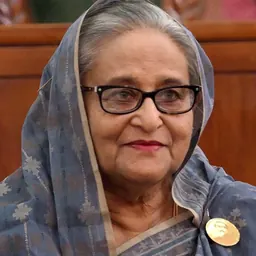
Named in this biography and alive at the same time




Contemporaries
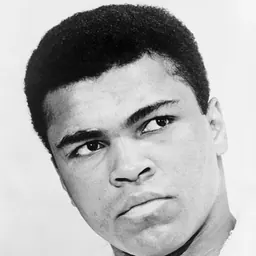
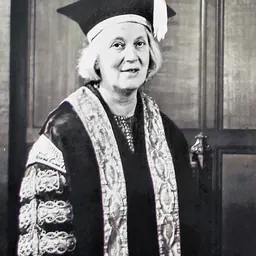
People whose lives overlapped Farid Uddin Masood's



Frequently asked questions
Who is Farid Uddin Masood?
Bangladeshi Deobandi Islamic Scholar
When was Farid Uddin Masood born?
Farid Uddin Masood was born on 7 March 1950 in Pakundia Upazila, Kishoreganj District.
Sources & further reading
· Wikipedia: Farid Uddin Masood
Cite this page
APA: Biography.guide. (2026). Farid Uddin Masood. https://biography.guide/farid-uddin-masood/
MLA: "Farid Uddin Masood." Biography.guide, https://biography.guide/farid-uddin-masood/.
Chicago: "Farid Uddin Masood." Biography.guide. https://biography.guide/farid-uddin-masood/.
Data last updated: 2026-09-22 · Spot an error? Report a correction.
Portrait: Wikimedia Commons · author & licence
Page generated 2026-09-27 05:01 UTC