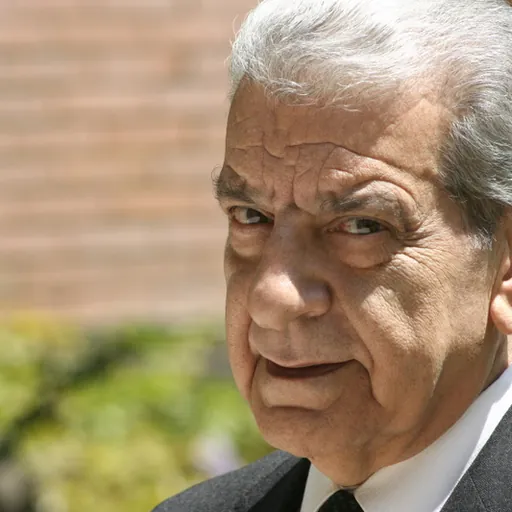
About Ezatolah Fooladvand
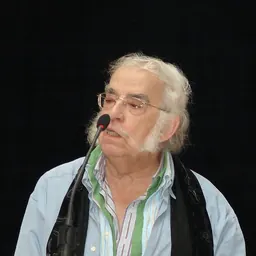
Born 1935. Ezatolah Fooladvand is an Iranian translator.
Ezzatullah Foladvand (; born December 27, 1935, in Isfahan) is an Iranian writer and translator noted for his adeptness in translating complex philosophical works into Persian.
Background Ezzatullah Foladvand was born in Isfahan in 1935. His father, Gholamreza Foladvand, served as a judge and held various administrative positions, including governorships in Khuzestan and Fars, as well as the head of the General Registry Office. His grandfather, Azizullah Khan Foladvand, was a respected politician and a member of the National Consultative Assembly.
After completing his primary education in Tehran, Ezzatullah pursued further studies in England. However, due to circumstances, he returned to Iran and completed his secondary education there. He later ventured to Paris, where he studied medicine for two years. However, his encounter with Bertrand Russell's Philosophical Problems led him to shift his focus to philosophy. He then proceeded to the United States to pursue his academic journey in philosophy, obtaining his undergraduate, master's, and doctoral degrees from Columbia University. Notable scholars such as Arthur Danto and Robert Cummings influenced his academic pursuits during this time. From 1964 to 1980, Foladvand held various positions within the National Iranian Oil Company and the Ministry of Economic Affairs and Finance, all while actively participating in cultural endeavors. His translation work flourished during these years, with several of his translations receiving recognition, including Philosophy of Kant and "Consciousness and Society," by H. Stuart Hughes which were selected for inclusion in the eighth and ninth editions of the Islamic Republic of Iran's yearbook, respectively.
Foladvand's Views on Translation Foladvand holds strong convictions regarding the art of translation. He emphasizes the importance of fidelity to the original text, advocating for translations that capture the essence and intent of the original author without resorting to ambiguity or embellishment. Despite the challenges inherent in translating philosophical texts, Foladvand asserts that preserving the spirit of the Persian language should remain paramount, drawing attention to the rich tradition of Persian literature and the wealth of linguistic resources available.
He underscores the significance of maintaining the tone of the original text, asserting that deviations can hinder the reader's comprehension and emotional engagement. Foladvand advocates for retranslation when deemed necessary, driven by advancements in language and interpretation.
In selecting works for translation, Foladvand prioritizes texts that he deems significant for his compatriots and personally resonates with. He believes that ignorance or incomplete knowledge often underlie societal challenges and underscores the continuous need for intellectual enrichment through translation.
Foladvand encourages writers and translators to approach their craft with diligence and depth of understanding, cautioning against the indiscriminate use of language trends or foreign influences that may not resonate with the Iranian audience.
He warns against blindly following Western trends in translation, emphasizing the importance of tailoring translations to the needs and cultural context of Iranian readers, rather than solely catering to Western sensibilities.
In essence, Foladvand's approach to translation reflects a commitment to intellectual integrity, linguistic precision, and cultural relevance, ensuring that Persian-speaking audiences have access to nuanced and authentic interpretations of global knowledge and literature.
Don’t just read it —
keep it.
Full-length biographies made to live with: read them, listen on the way to work, watch them tonight.
- E-book
- Audio
- Video
Instant download · yours to keep · every purchase keeps this site free
Important facts
People in Ezatolah Fooladvand's life
Named in this biography and alive at the same time
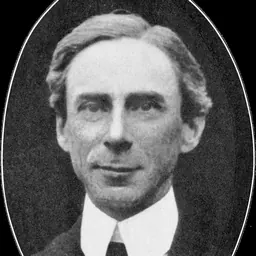
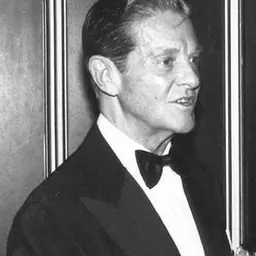

Related people
Same field, nearest in time




Contemporaries
People whose lives overlapped Ezatolah Fooladvand's



Frequently asked questions
Who is Ezatolah Fooladvand?
Iranian translator
When was Ezatolah Fooladvand born?
Ezatolah Fooladvand was born in 1935 in Isfahan.
What is Ezatolah Fooladvand's occupation?
Ezatolah Fooladvand is a translator.
What nationality is Ezatolah Fooladvand?
Ezatolah Fooladvand is Iranian.
Sources & further reading
· Wikipedia: Ezatolah Fooladvand
· DBpedia: Ezzatullah Foladvand
Cite this page
APA: Biography.guide. (2026). Ezatolah Fooladvand. https://biography.guide/ezatolah-fooladvand/
MLA: "Ezatolah Fooladvand." Biography.guide, https://biography.guide/ezatolah-fooladvand/.
Chicago: "Ezatolah Fooladvand." Biography.guide. https://biography.guide/ezatolah-fooladvand/.
Data last updated: 2026-09-23 · Spot an error? Report a correction.
Portrait: Wikimedia Commons · author & licence
Page generated 2026-09-27 05:07 UTC