
About Eulmash-shakin-shumi
Lived 1100 BC – 1000 BC. Eulmash-shakin-shumi was a sovereign.
Eulmaš-šākin-šumi, inscribed in cuneiform as É-ul-maš-GAR-MU, or prefixed with the masculine determinative m, “Eulmaš (is) the establisher of offspring”, 1000–984 BC, was the founder of the 6th Dynasty of Babylon, known as the Bῑt-Bazi Dynasty, after the Kassite tribal group from which its leaders were drawn. The Dynastic Chronicle tells us that he ruled for fourteen years, the King List A,
An earlier character called Eulmaš-šākin-šumi, son of Bazi, appears as a witness on a kudurru recording a land grant of twenty GUR arable land to Adad-zêr-ikîša, where he is called (amêlu)šaq-šup-par ša mâtâti, “officer of the lands” and also another confirming ownership of seven GUR of arable land to a certain Iqīša-Ninurta, where he is described as a sak-ru-maš, “chariot officer.” He may also appear on another small broken kudurru, if his name has been deciphered correctly, but these three are dated to the tenth (first kudurru) and thirteenth (second and third kudurrus) years of the reign of Marduk-nādin-aḫḫē, too early to be this monarch if the chronology and sequence of kings currently favored is followed, but quite possibly an ancestor.
The Assyrian King List has him contemporary with Šulmanu-ašaredu II, an unlikely pairing. The Religious Chronicle mentions the “goddesses, the troops” in his fourteenth year but the context is lost. The Eclectic Chronicle records that “(Marduk stayed) on the dais (in) the fifth year of Eulmaš-šakin-šumi, the king. The fourteenth year …,” which seem to refer to interruptions in the Akitu festival. The Sun God Tablet of Nabu-apla-iddina relates that Ekur-šum-ušabši, the priest and seer appointed during the time of Simbar-šipak, complained that due to the “stress and famine under Kaššu-nādin-aḫi,” an intermediate monarch, "the temple offerings of Šamaš (had) ceased," prompting Eulmaš-šākin-šumi to divert flour and sesame wine from that allocated to the god Bel and a garden in the new city district of Babylon for ongoing provisions. The Dynastic Chronicle reports that “he was buried in the palace of Kar-Marduk.” He was succeeded by Ninurta-kuddurī-uṣur and later Širikti-Šuqamuna, both “sons of Bazi.”
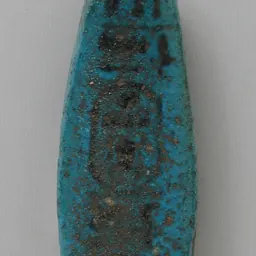
Inscriptions
Note
Don’t just read it —
keep it.
Full-length biographies made to live with: read them, listen on the way to work, watch them tonight.
- E-book
- Audio
- Video
Instant download · yours to keep · every purchase keeps this site free
Important facts
Related people
Same field, nearest in time



Contemporaries
People whose lives overlapped Eulmash-shakin-shumi's



Frequently asked questions
Who was Eulmash-shakin-shumi?
king of Babylon
When was Eulmash-shakin-shumi born?
Eulmash-shakin-shumi was born in 1100 BC.
When did Eulmash-shakin-shumi die?
Eulmash-shakin-shumi died in 1000 BC.
What was Eulmash-shakin-shumi's occupation?
Eulmash-shakin-shumi was a sovereign.
What nationality was Eulmash-shakin-shumi?
Eulmash-shakin-shumi's recorded nationality: Babylon.
Sources & further reading
· Wikipedia: Eulmash-shakin-shumi
· DBpedia: Eulmash-shakin-shumi
Cite this page
APA: Biography.guide. (2026). Eulmash-shakin-shumi. https://biography.guide/eulmash-shakin-shumi/
MLA: "Eulmash-shakin-shumi." Biography.guide, https://biography.guide/eulmash-shakin-shumi/.
Chicago: "Eulmash-shakin-shumi." Biography.guide. https://biography.guide/eulmash-shakin-shumi/.
Data last updated: 2026-09-20 · Spot an error? Report a correction.
Page generated 2026-09-27 05:28 UTC