
About Étienne-Émile Baulieu
Lived 1926 – 2025 (aged 98). Étienne-Émile Baulieu was a French professor, biochemist, researcher, university teacher, physician and scientist, known for DHEA, Neurosteroid and RU-486.
Étienne-Émile Baulieu (; 12 December 1926 – 30 May 2025) was a French biochemist and endocrinologist who was best known for his research in the field of steroid hormones and their role in reproduction and aging. He has been nicknamed the “father” of the abortion pill mainly as a result of his work on the abortion-inducing drug RU486 (Mifepristone). Baulieu also worked to determine if dehydroepiandrosterone (DHEA) was a prohormone and if it and other hormonal substitutions also increased longevity in humans.
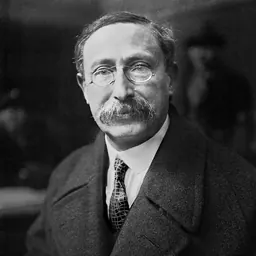
Early life and education Baulieu was born Émile Blum to Jewish parents in Strasbourg, France, on 12 December 1926. His father, who died when Baulieu was four, was Léon Blum, a physician and an early specialist in diabetes. Baulieu changed his name during World War II when his family fled to the area near Grenoble and he engaged in the French resistance. After the war, he attended the Faculté de Médecine de Paris and became a physician in 1955. He studied further under his mentor Max Fernand Jayle (1913–1978 ) in the field of steroid hormones and obtained his PhD in 1963 at the Faculté de Médecine and Faculté des Sciences in Paris.
Career In 1963 Baulieu was named a research director (equivalent to a research full professor) at INSERM, and in 1970 he became a professor of Biochemistry at the Faculty of Medicine of Bicêtre, affiliated with University of Paris-South. In 2008, he started the Institut Baulieu, a research program to study and treat neurodegenerative diseases, and foster research into healthy longevity.
He served as president of the French Academy of Sciences and as a member of the United States' National Academy of Sciences. Baulieu became a visiting scientist at Columbia University in 1961–1962, and during this time he met Gregory Pincus, the father of the "birth control pill". Baulieu then turned to more studies in contraception and in the regulation of fertility and pregnancy. He became a pioneer in the description of intracellular sex steroid receptors and identified major intracellular participants such as the heat shock proteins. He worked on the progesterone receptor and androgen receptor. While steroid receptors are generally found within the cell, Baulieu identified a membrane receptor for a steroid hormone in Xenopus laevis.
Neurosteroids Baulieu discovered that DHEA and pregnenolone are produced in the brain and introduced the term "neurosteroids" in 1981. These steroids are active in the nervous system, help repair myelin, protect the nervous system, and enhance memory. Such agents may prove to be useful in the maintenance of brain function during age, and Baulieu suggested that use of DHEA in the elderly may ameliorate certain age-associated deficits including memory loss and depressive mood. Baulieu conducted clinical research about the potential benefits of DHEA in the elderly population.
RU486 Baulieu was known worldwide Baulieu, who had identified the progesterone receptor, suggested to Roussel-Uclaf to modify the progesterone molecule to create an anti-progesterone. Georges Teutsch then synthesized an agent that became initially known as RU486 in 1980. Baulieu investigated the actions of this agent as an anti-progesterone steroid that proved to be able to induce early abortion, and became more effective in conjunction with misoprostol. As a proponent of a nonsurgical approach to abortion, Baulieu became an advocate for RU486 even when the company withdrew from the product As an anti-progesterone, RU486 also has other potential such as in the treatment of certain conditions (breast cancer, brain cancer, endometriosis, diabetes, hypertension), and the anti-cortisol activity he discovered may be useful to manage depression or Cushing's syndrome.
Longevity Baulieu took increasing interest in what he called the "longevity revolution", that people are living longer, and its implications. As part of this, he investigated the potential of hormonal substitution such as DHEA to increase well-being in old age.
Death Baulieu died at his home in Paris, on 30 May 2025, at the age of 98.
Honours and awards 1967 Chevalier of the Ordre national du Mérite 1982 French Academy of Sciences, President, 2003–04 1989 Albert Lasker Award for Clinical Medical Research 1990 Grand Officer of the Légion d'honneur 2002 French Academy of Medicine 2023, Grand Cross of the Legion of Honor
Don’t just read it —
keep it.
Full-length biographies made to live with: read them, listen on the way to work, watch them tonight.
- E-book
- Audio
- Video
Instant download · yours to keep · every purchase keeps this site free
Important facts
People in Étienne-Émile Baulieu's life
Named in this biography and alive at the same time

Related people
Same field, nearest in time



Contemporaries
People whose lives overlapped Étienne-Émile Baulieu's


Frequently asked questions
Who was Étienne-Émile Baulieu?
French scientist (1926–2025)
When was Étienne-Émile Baulieu born?
Étienne-Émile Baulieu was born on 12 December 1926 in Strasbourg.
When did Étienne-Émile Baulieu die?
Étienne-Émile Baulieu died on 30 May 2025 in 7th arrondissement of Paris.
What was Étienne-Émile Baulieu's occupation?
Étienne-Émile Baulieu was a professor, biochemist, researcher, university teacher, physician and scientist.
What was Étienne-Émile Baulieu known for?
Étienne-Émile Baulieu was known for DHEA, Neurosteroid and RU-486.
What nationality was Étienne-Émile Baulieu?
Étienne-Émile Baulieu was French.
Sources & further reading
· Wikipedia: Étienne-Émile Baulieu
· DBpedia: Étienne-Émile Baulieu
Cite this page
APA: Biography.guide. (2026). Étienne-Émile Baulieu. https://biography.guide/etienne-emile-baulieu/
MLA: "Étienne-Émile Baulieu." Biography.guide, https://biography.guide/etienne-emile-baulieu/.
Chicago: "Étienne-Émile Baulieu." Biography.guide. https://biography.guide/etienne-emile-baulieu/.
Data last updated: 2026-09-25 · Spot an error? Report a correction.
Page generated 2026-09-27 05:12 UTC