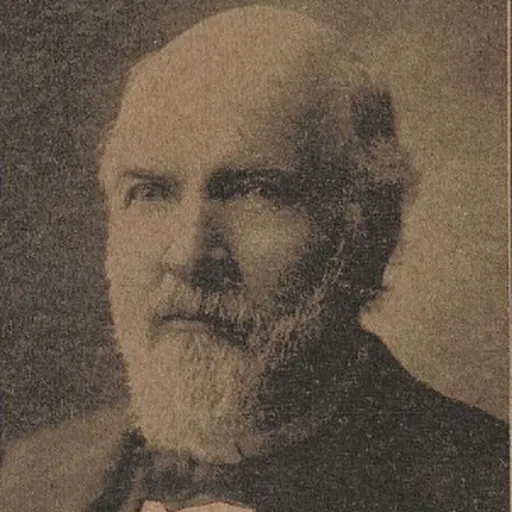
About Elias Molee
Lived 1845 – 1928 (aged 83). Elias Molee was a journalist, philologist and linguist.
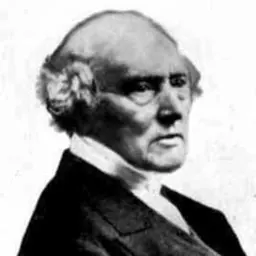
Elias Molee, sometimes self-styled elias molee, (January 3, 1845 – September 27, 1928) was an American journalist, philologist and linguist.
Background Elias Molee was born in Muskego, Wisconsin, the son of John Evenson Molie and Anne Jacobson Einong. The original spelling of the family name was Molie. His father emigrated from Tinn in the province of Telemark, Norway in 1839 and was an early farmer in Muskego.
In 1906, while publishing his second book on teutonish, he lived in Tacoma, Washington.
Career Elias Molee is known as the creator of the languages Amerikan and Tutonish. He also invented a system of shorthand and used only lower case letters (for example, he used "e" in place of "the") and a form of sign language symbols. In his autobiography molee's wandering (written without capital letters, which he considered "cruel, non-ethical, non-artistic, and non-scientific") he describes an idyllic childhood spent listening to tales of Norse mythology in his family's log cabin, eating "good pancakes with milk in e dough n much egg n butter in it," and roaming the fields picking fresh berries, plums and nuts with the local children.
Plea for an American Language, or Germanic-English (1888) In this book, Molee outlined the negative aspects of English and the positive aspects of more pure languages such as German, Greek, and Irish. He determined to create a new language for the American people that was a mix of all Germanic languages in the country and embodied all the best parts of these other languages. He called this language Amerikan.
Alphabet Molee avoided diphthongs and instead preferred one letter for one sound. He created multiple custom letters for this new language, informed by his own understanding of the American aesthetic sense. The letters are numbered because Molee devised a new numbering system that was similar to that of Greek. He believed that using letters for numbers would help to solidify correct pronunciation among the people. +Vowelsnumberletterpronunciation1a (orig. top and bottom loop connected)ale, nay — al, na.2ɑ (Latin alpha)arm, far — ɑrm, fɑr.3ä (orig. no umlaut)at, man — ät, män.4oor, on, ball — bol.5öearn, word — örn, wörd.6ơoil, boy — ơl, bơ.7įice, high — įs, hį.8ɤowl, cow — ɤl, kɤ.9ư (orig. flag on top left)rule, moon — rưl, mưn.10ɷold, know — ɷld, nɷ.11ı̣eel, seal — ı̣l, sı̣l.12üfür (see jörman and skandinavian.)13ubut, hut.14ɯ (orig. shorter middle line)look, full — lɯk, fɯl.15iit, hit, mit.16elet; before "r" "e" is like "ä." +Consonantsnumberletternamepronunciation1ppı̣pail, push — pal, pɯʃ.2bbı̣be, bought — bı̣, bot.3ttı̣tree, tight — trı̣, tįt.4ddı̣dough, down — dɷ, dɤn.5kkı̣kite, care — kįt, kär.6ggı̣go, group — gɷ, grưp.7ffı̣full, fear — fɯll, fı̣r.8vvı̣vine, verse — vįn, vörs.9rrı̣right, wring — rįt, rı̣ŋ.10llı̣line, learn — lįn, lörn.11mmı̣moon, much — mưn, muc.12nnı̣next, nigh — nekst, nį13ssı̣soap, soup — sɷp, sưp.14ʃshı̣ship, should — ʃip, ʃɯd.15ztsı̣zɑl, (hard as in jörm. tsɑl.)16jjı̣john, george — jon, jorj.17c (orig. long letter, straight line down with J connected on bottom)chı̣church, cheap — cörc, cı̣p18þ (orig. long letter, diagonal line with J connected on bottom)thı̣þı̣ (sı̣ iŋliʃspı̣kɑndä.)19 (orig. "h" with small hook on top left and bottom right)whı̣ (lörn from dı̣m iŋliʃä).20hhı̣hymn, who — him, hư.21wwı̣wound, wound — wưnd, wɤnd.22yyı̣yard, year — yɑrd, yı̣r.23ʮyooyou, your — ʮ, ʮr24ŋängsing, wing — siŋ, wiŋ.
Nouns Add -ä (pronounced like "at", "man") to words ending in a consonant. Add -s to words ending in a vowel. +PluralSingularPluralmän (man)mänä (men)hɤnd (hound)hɤndä (hounds)flį (fly)flįs (flies) Add `-ɷ` (pronounced like "owe", "know", "old") to words ending in a consonant. Add `-nɷ` to words ending in a vowel. +PossessiveNounPossessivedı̣r (animal)dı̣rɷ pläntä (animal's plants)fadı̣ (father)fadı̣nɷ weda (father's wife) The plural marker always comes before the possessive. +Plural PossessiveSingularPluralPlural Possessiveflį (fly)flįs (flies)flįsɷ wingä (flies' wings)wörd (word)wördä (words)wördänɷ frag (words' question)
Comparison Add -ɑr and -ɑst (like "ah-r" and "ah-st").
Pronouns +Personal Pronounspersoncasecommoncommonmas.fem.neut.commonsingularNom.įþɤhı̣hɑitı̣rsingularPoss.mįþįhı̣nhɑnitɷı̣rɷsingularObj.mı̣þámhı̣mhɑmitmı̣mpluralNom.wı̣ʮhı̣shɑsitäþapluralPoss.ɤrʮrhı̣sɷhɑsɷitänþarpluralObj.usʮmhemlemtemþem +ArticlescaseDefinite SingularDefinite PluralIndefiniteNom.þı̣ (the)dı̣ (the)an (a or an)Poss.þı̣n (of the)dı̣n (of the)anɷ (of a)Obj.þı̣m (to the)dı̣m (to the)am (to a)
Verbs There are eight irregular verbs: *do, is, have, may, can, will, shall* and *worth* (to become), which have been excepted on account of brevity and frequency. +Verb Formsformadditionexampleinfinitive (noun)-än(tä) luvän, (tä) flįänpresent tense(root)luv, flįpast tense-o (pronounced "dawn") after consonants, -d after vowelsluvo, flįdpresent participle-ɑndluvɑnd, flįɑndverbal noun-ingluving, flįingpast participle-en (after m and n) or -nhɑ häs luvn / givn / workn, hı̣ häs komenimperative-a after consonants, -ta after vowelsgɷta!, lı̣va!optative (wishing)-ö after consonants, -mö after vowelsgivö, hı̣ gɷmö (oh that he would go!)conjunctive-i after consonants, -if after vowelsį luvi (if I love), ha gɷif (if she goes)passive voice-is, -s after past tensehı̣ lovis (he is loved), hı̣ lovos (he was loved)
Word Formation +Suffixessuffixmeaningexample-írperson that does thingrídír (human that reads)-l after consonant, -el after vowelthing that does thingrídl (thing that reads)-ímasculinesingí (male singer)-ɑfemininesingɑ (female singer)-itneutralsingit (singing thing)
Syntax Negation is formed with "na" (pronounced "nay") before the verb.
Pure Saxon English; or, Americans to the Front (1890) In Pure Saxon English, Molee builds upon his Amerikan language.
He reduces the number of unique letters Removes the numbering system based on letters in favor of cleaning up the existing English numbers Changes a few suffixes
Ultimately, this book is a more conservative version of Amerikan. It is a slight compromise in the ideas in an effort to make the changes more palatable.
Pure Saxon English
Grammar Rules
Plurals add a after consonants, and s after vowels. The possessive case adds o after consonants, and no after vowels. The past tense adds o after consonants, and do after vowels. The present participle adds qnd, past participle en. The verbal noun adds ing, the infinitive noun qn. The masculine noun adds ı̣, the feminine in. To verbalize a word, add u (gladu). Definite article - singular the, plural dɔ. The substantive adjective takes the plural sign. To form the infinitive add q. Cardinals taken from the present numerals. Ordinals formed by adding to cardinals tq. Names of days and months - add to ordinals d or m. Personal pronouns and auxiliary verbs nearly as before. Sich and mɑn (French, on) also employed. The suffix i after adjectives refers to persons in general. Five irregular adjectives, and eight irregular verbs. Lion, lionı̣, lionin, lionetı̣, lionetin, lionet. Substantive adjectives add for sex, ı̣, in, it. Adjectives from proper nouns regularly derived. The personal agent adds qr, ı̣r, etc.; impersonal el. The personal actor adds qr; comparative adjective er, est.
Example Russian Wolf Story
[A very good and touching piece to speak at school exhibitions and at concerts. It should be spoken slowly and distinctly.]
Systematic English Pure Saxon English was explained as the final goal, but Systematic English was introduced as a stepping stone towards that goal; a branch of Pure Saxon English. It consists of only the first 10 grammar rules of Pure Saxon English. It does not require spelling reform.
Example Systematic English is, therefore, ordinary English modifien by dɔ ten first rula of the Pure Saxon English grammar and could be introducen at any time without destroying immediate intelligibility. This moderate reform alone would makq English better fitten to be the international language, because more regular, more euphonious, and easier to learnq. If a mixen language must be haden as an international tongue, why would not "Systematic English" do? It is as mixen as Volapuk or Pasilingua, and it is already widely understanden, and has a strong home basis. It would not be as good for schoola and popular knowledge as a pure picturesque Saxon English, but if dɔ leadera of thought and fashion do not love a "Pure Saxon English," then the next best thing to do would be to adoptq "Systematic English." Where there is great power there are great responsibilities. While we take pride in seeing our language become international, we should not forgetq that it ought to be a good one to be worthy of that high honor, and it would be a better language for our childa.
Other works Tutonish (1902) nu teutonish (1906), 129 p. altutonish (1911) alteutonik (1915) Dynamic Language (1921) Toito Spike (1923)
Don’t just read it —
keep it.
Full-length biographies made to live with: read them, listen on the way to work, watch them tonight.
- E-book
- Audio
- Video
Instant download · yours to keep · every purchase keeps this site free
Important facts
People in Elias Molee's life
Named in this biography and alive at the same time

Related people
Same field, nearest in time

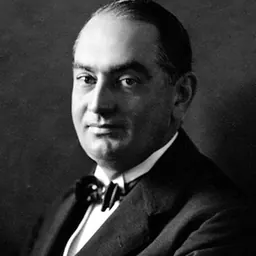
Contemporaries
People whose lives overlapped Elias Molee's
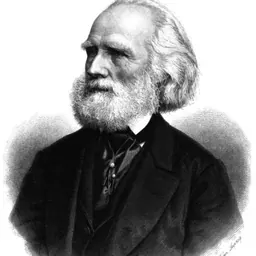
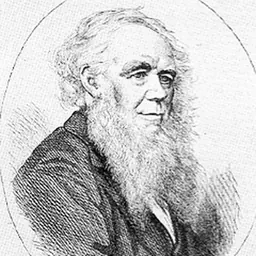
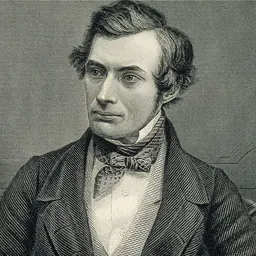


Frequently asked questions
Who was Elias Molee?
American writer
When was Elias Molee born?
Elias Molee was born on 3 January 1845.
When did Elias Molee die?
Elias Molee died on 27 September 1928.
What was Elias Molee's occupation?
Elias Molee was a journalist, philologist and linguist.
Sources & further reading
Cite this page
APA: Biography.guide. (2026). Elias Molee. https://biography.guide/elias-molee/
MLA: "Elias Molee." Biography.guide, https://biography.guide/elias-molee/.
Chicago: "Elias Molee." Biography.guide. https://biography.guide/elias-molee/.
Data last updated: 2026-09-20 · Spot an error? Report a correction.
Portrait: Wikimedia Commons · author & licence
Page generated 2026-09-27 04:57 UTC