
About Dario Vignali
Dario Vignali was an immunologist.
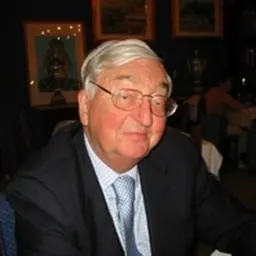
Dario Angelo Alberto Vignali is a British/American immunologist and an academic. He is the Chair of the Immunology Department at the University of Pittsburgh, where he is also a Distinguished Professor and the Frank Dixon Chair for Cancer Immunology. He is also associate director for Scientific Strategy and Co-Leader of the Cancer Immunology and Immunotherapy Program at the UPMC Hillman Cancer Center.
Vignali is most known for his research in cancer immunology, autoimmunity, T cell signaling and inhibitory immune mechanisms. He has published publications in academic journals, including Nature, Nature Immunology, Nature Cancer, Nature Biotechnology, Nature Methods, Science, Science Translational Medicine, Science Immunology, Science Signaling, Cell and Immunity. Furthermore, he has been a highly cited researcher annually since 2016.
Vignali is the recipient of the 2018 Merrill J. Egorin Excellence in Scientific Leadership Award, and the 2019 PNC Elsie Hillman Distinguished Scholar Award.
Education Vignali earned a BSc in Immunology and Medical Microbiology from University of East London (formerly North East London Polytechnic) in 1985. Later in 1988, he completed his PhD in Immunology of Infectious Diseases from the London School of Hygiene and Tropical Medicine, University of London.
Research Vignali's contributions encompass distinct areas, exploring aspects of basic and translational immunology, with a focus on cancer and autoimmune disease. His 2012 research uncovered the synergistic cooperation of anti-LAG3 and anti-PD1 agents in limiting anti-tumor immunity in models of cancer. This discovery was extended in his subsequent studies, wherein he showcased the potency of LAG3 as an inhibitory receptor when it could not be shed from the cell surface by the metalloprotease ADAM10, highlighting the ability of LAG3 to serve as a resistance factor limiting the efficacy of anti-PD1 immunotherapeutics. This study not only underscored the therapeutic potential of targeting LAG3, but also prompted the initiation of a clinical trial, RELATIVITY-047, evaluating the efficacy of anti-LAG3 (Relatlimab) in combination with anti-PD1 (Nivolumab) in patients with metastatic melanoma who had not previously received therapy. His research also focused on the regulatory function of LAG3 in autoimmune diseases, and explored other inhibitory receptors such as PD1 and NRP1. Additionally, his research examined the molecular mechanisms underlying the suppressive effects of LAG3 on T cell signaling, revealing that LAG3 inhibits T cell function by disrupting co-receptor-TCR signaling through altering pH and dissociating Lck from CD4 or CD8, independently of its canonical ligand major histocompatibility complex class II. Furthermore, his investigation into the maintenance of an exhaustion-like program in T cells by LAG3 has provided insight into the regulation of T cell function in various disease contexts.
Regulatory T cells Vignali's lab has conducted efforts to elucidate pathways crucial for controlling Treg (regulatory T cell) function, particularly within tumor contexts, to pinpoint potential targets for immunotherapy. His research resulted in two major developments. In 2007, he identified interleukin-35 (IL-35) as a novel inhibitory cytokine produced by Tregs. Subsequent investigations revealed that IL-35 plays a pivotal role in generating an induced regulatory T cell subset termed iTr35, which appeared to be abundant within the tumor microenvironment (TME). Moreover, his group was the first to uncover the IL-35 receptor and elucidate its distinct signaling pathway. Recently, his work has demonstrated that neutralizing IL-35 or selectively deleting it in Tregs restricts tumor growth across various cancer models and leads to diminished expression of inhibitory receptors (IRs) on tumor-infiltrating lymphocytes (TILs). His work has also demonstrated that within the TME, distinct Treg subpopulations produce both IL-35 and IL-10, and these cytokines collaboratively drive the expression of multiple IRs (such as PD1, LAG3, TIM3, and TIGIT) on effector T cells, with the process being regulated by BLIMP.
In 2013, Vignali's group pioneered the identification of a pathway involving neuropilin-1 (NRP1) and semaphorin-4a (SEMA4A), crucial for maintaining intratumoral Treg stability, function, and survival. This research demonstrated that genetic deletion of NRP1 specifically in Tregs renders preclinical models largely resistant to tumor growth, without eliciting autoimmune or inflammatory diseases typically associated with Treg loss. Importantly, this pathway appears dispensable for peripheral tolerance maintenance. Further, the cytokine interferon-gamma (IFN) was shown to be a primary driver of Treg fragility, that was limited by NRP1 in the TMER. His group subsequently showed that NRP1 expression on human Tregs was frequently associated with poorer outcomes and NRP1+ Tregs were more suppressive. Additionally, his findings also demonstrated that targeting either Nrp1 or Sema4a significantly impedes tumor growth, suggesting promising avenues for further preclinical validation and testing. In his 2008 research, it was revealed that the quantity of cytoplasmic ITAMs in the TCR-CD3 complex significantly influences T cell function, preventing autoimmunity and ensuring immune homeostasis via central tolerance mechanisms. His 2010 work investigated the regulation of TCR:CD3 complex expression during T-cell development, demonstrating that constitutive ubiquitylation in immature thymocytes, mediated by specific molecular pathways, precisely controls TCR levels and influences signaling thresholds crucial for immune cell maturation and function. Furthermore, his 2013 research proposed that the pathways initiated by the TCR for cytokine secretion and proliferation are distinct and are coordinated by the multiplicity of phosphorylated ITAMs in the TCR-CD3 complex.
Systems immunology As part of his systems immunology research, Vignali investigated the transcriptional profiles of immune cells in HPV-positive and HPV-negative head and neck squamous cell carcinoma. The study highlighted divergent signatures among certain cell types and identified a CD4+ T follicular helper cell gene expression signature associated with longer progression-free survival. In his 2020 collaborative study with the Bruno group, their team examined the role of B cells in head and neck squamous cell carcinoma (HNSCC) and found distinct phenotypic differences between HPV-positive and HPV-negative tumors, with HPV+ tumors showing increased presence of germinal center B cells and tertiary lymphoid structures, correlated with better survival, and production of antibodies targeting HPV viral antigens. In 2022, his collaborative study with the Oesterreich group on estrogen receptor-positive (ER+) breast cancer highlighted that macrophages, not T cells, dominate the tumor microenvironment, with an interplay between macrophages and T cells correlating with longer disease-free survival in invasive ductal carcinoma but not invasive lobular carcinoma.
Synthetic cancer immunobiology Vignali has made contributions to immunology and translational medicine by advancing methodologies such as bead-based multiplexed cytokine assays. Additionally, his group researched and popularized the use of 2A peptide-based 'self-cleaving' multicistronic expression systems in viral vectors and preclinical models. Their research also resulted in the creation of a technique for producing 'TCR retrogenics,' simplifying the use of multicistronic vectors connected by 2A sequences in TCR- or CAR-based adoptive T cell immunotherapy for cancer. Moreover, his group also developed a method for rapid analysis of T-cell selection in vivo using T cell-receptor retrogenics.
Awards and honors 2007 – Faculty Mentoring Award, St. Jude Children's Research Hospital 2018 – Merrill J. Egorin Excellence in Scientific Leadership Award 2019 – PNC Elsie Hillman Distinguished Scholar Award
Selected articles Szymczak, A. L., Workman, C. J., Wang, Y., Vignali, K. M., Dilioglou, S., Vanin, E. F., & Vignali, D. A. (2004). Correction of multi-gene deficiency in vivo using a single'self-cleaving'2A peptide–based retroviral vector. Nature biotechnology, 22(5), 589–594. Huang, C. T., Workman, C. J., Flies, D., Pan, X., Marson, A. L., Zhou, G.... & Vignali, D. A. (2004). Role of LAG-3 in regulatory T cells. Immunity, 21(4), 503–513. Holst, J., Vignali, K. M., Burton, A. R., & Vignali, D. A. (2006). Rapid analysis of T-cell selection in vivo using T cell–receptor retrogenic mice. Nature methods, 3(3), 191–197. Collison, L. W., Workman, C. J., Kuo, T. T., Boyd, K., Wang, Y., Vignali, K. M.... & Vignali, D. A. (2007). The inhibitory cytokine IL-35 contributes to regulatory T-cell function. Nature, 450(7169), 566–569. Vignali, D. A., Collison, L. W., & Workman, C. J. (2008). How regulatory T cells work. Nature reviews immunology, 8(7), 523–532. Holst, J., Wang, H., Eder, K. D., Workman, C. J., Boyd, K. L., Baquet, Z.... & Vignali, D. A. (2008). Scalable signaling mediated by T cell antigen receptor–CD3 ITAMs ensures effective negative selection and prevents autoimmunity. Nature immunology, 9(6), 658–666. Woo, S. R., Turnis, M. E., Goldberg, M. V., Bankoti, J., Selby, M., Nirschl, C. J.... & Vignali, D. A. (2012). Immune inhibitory molecules LAG-3 and PD-1 synergistically regulate T-cell function to promote tumoral immune escape. Cancer research, 72(4), 917–927. Delgoffe, G. M., Woo, S. R., Turnis, M. E., Gravano, D. M., Guy, C., Overacre, A. E.... & Vignali, D. A. (2013). Stability and function of regulatory T cells is maintained by a neuropilin-1–semaphorin-4a axis. Nature, 501(7466), 252–256. Overacre-Delgoffe, A. E., Chikina, M., Dadey, R. E., Yano, H., Brunazzi, E. A., Shayan, G.... & Vignali, D. A. (2017). Interferon-γ drives Treg fragility to promote anti-tumor immunity. Cell, 169(6), 1130–1141. Guy, C., Mitrea, D. M., Chou, P. C., Temirov, J., Vignali, K. M., Liu, X.... & Vignali, D. A. (2022). LAG3 associates with TCR–CD3 complexes and suppresses signaling by driving co-receptor–Lck dissociation. Nature immunology, 23(5), 757–767.
Don’t just read it —
keep it.
Full-length biographies made to live with: read them, listen on the way to work, watch them tonight.
- E-book
- Audio
- Video
Instant download · yours to keep · every purchase keeps this site free
Important facts
Related people
Same field, nearest in time





Frequently asked questions
Who was Dario Vignali?
researcher
What was Dario Vignali's occupation?
Dario Vignali was an immunologist.
Sources & further reading
· DBpedia: Dario Angelo Alberto Vignali
Cite this page
APA: Biography.guide. (2026). Dario Vignali. https://biography.guide/dario-vignali/
MLA: "Dario Vignali." Biography.guide, https://biography.guide/dario-vignali/.
Chicago: "Dario Vignali." Biography.guide. https://biography.guide/dario-vignali/.
Data last updated: 2026-09-20 · Spot an error? Report a correction.
Page generated 2026-09-27 05:01 UTC