
About Charles Brenton Huggins
Lived 1901 – 1997 (aged 95). Charles Brenton Huggins was a Canadian and American physiologist, oncologist, university teacher, surgeon and physician, known for Hormone and Prostate cancer.
Charles Brenton Huggins (September 22, 1901 – January 12, 1997) was a Canadian-American surgeon and physiologist known for his work on prostate function, prostate cancer, and breast cancer. Born in Halifax in 1901, Huggins moved to the United States for medical school. He was one of the founding staff members of the University of Chicago Medical School, where he remained for the duration of his professional research career. Huggins's work on how sex hormones influence prostate function ultimately led to his discovery of hormone therapies to treat prostate cancer. For this finding, he was awarded the 1966 Nobel Prize for Physiology or Medicine. In addition to his work on prostate cancer, Huggins explored the relationship between hormones and breast cancer, developed an animal model for breast cancer, and developed chromogenic substrates that are widely used for biochemical analyses. Huggins continued to perform research into his 90s; he died in Chicago in 1997.
Early life and education Charles Brenton Huggins was born September 22, 1901, in Halifax, Nova Scotia, to Charles E. Huggins and Bessie Maria Spencer. At 19, he graduated from Acadia University with a BA degree, supplementing his Acadia coursework with summer courses in physical and organic chemistry at Columbia University. While at Michigan, Huggins met operating room nurse Margaret Wellman; they married in 1927. He was promoted to associate professor in 1933, and full professor in 1936.
Research A plaque in Professor's Huggins office carried his motto: "Discovery is our business." This motto signified his ethos to research and medical discovery.
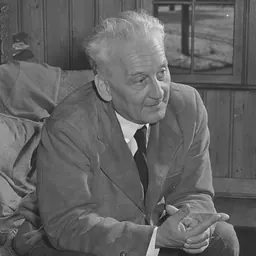
Huggins's early research work focused on bone physiology. However, he eventually felt this bone work was unlikely to lead to medical progress, and set it aside in favor of studying the male urogenital tract. Through the 1930s, Huggins published work characterizing the constituents of semen and which organ (seminal vesicles or prostate) they derive from. In 1939, Huggins described a method for isolating prostate fluid from dogs, which served as the foundation for much of his subsequent work. In 1962, he was elected to the American Philosophical Society, and was awarded the Lasker Award the following year. In 1966, following nominations from noted surgeon J. Hartwell Harrison as well as Nobel laureates Otto H. Warburg, William P. Murphy, and Albert Szent-Györgyi, Huggins was awarded the Nobel Prize in Physiology or Medicine "for his discoveries concerning hormonal treatment of prostatic cancer".
Personal life Huggins and his wife Margaret had a son and a daughter. His son, Charles E. Huggins, was also a surgeon, and directed the Massachusetts General Hospital blood bank until his death in 1990. Margaret Huggins died in 1983. Huggins devoted much of his time to laboratory work, logging long hours in the lab, and continuing to perform hands-on laboratory work in his 90s. Huggins died on January 12, 1997, in Chicago, Illinois, aged 95.
Don’t just read it —
keep it.
Full-length biographies made to live with: read them, listen on the way to work, watch them tonight.
- E-book
- Audio
- Video
Instant download · yours to keep · every purchase keeps this site free
Important facts
People in Charles Brenton Huggins's life
Named in this biography and alive at the same time

Related people
Same field, nearest in time


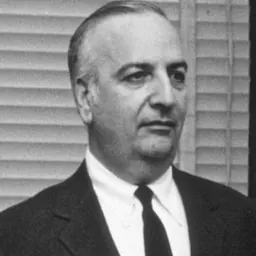
Contemporaries
People whose lives overlapped Charles Brenton Huggins's

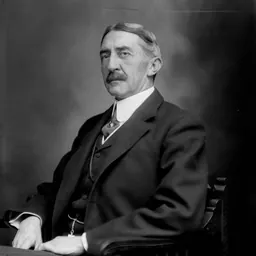

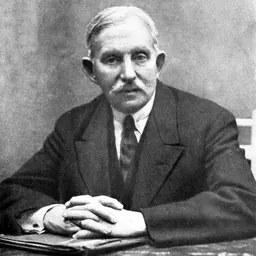

Frequently asked questions
Who was Charles Brenton Huggins?
American physiologist (1901-1997)
When was Charles Brenton Huggins born?
Charles Brenton Huggins was born on 22 September 1901 in Halifax.
When did Charles Brenton Huggins die?
Charles Brenton Huggins died on 12 January 1997 in Chicago.
What was Charles Brenton Huggins's occupation?
Charles Brenton Huggins was a physiologist, oncologist, university teacher, surgeon and physician.
What was Charles Brenton Huggins known for?
Charles Brenton Huggins was known for Hormone and Prostate cancer.
What nationality was Charles Brenton Huggins?
Charles Brenton Huggins was Canadian and American.
Sources & further reading
· Wikipedia: Charles Brenton Huggins
· DBpedia: Charles Brenton Huggins
Cite this page
APA: Biography.guide. (2026). Charles Brenton Huggins. https://biography.guide/charles-brenton-huggins/
MLA: "Charles Brenton Huggins." Biography.guide, https://biography.guide/charles-brenton-huggins/.
Chicago: "Charles Brenton Huggins." Biography.guide. https://biography.guide/charles-brenton-huggins/.
Data last updated: 2026-09-20 · Spot an error? Report a correction.
Page generated 2026-09-27 05:34 UTC