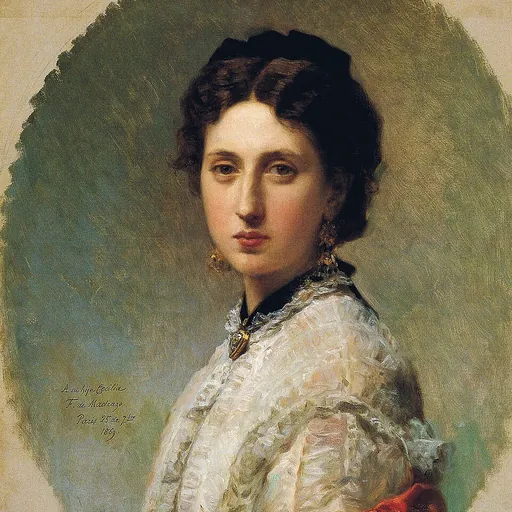
About Cecilia de Madrazo
Lived 1846 – 1932 (aged 85–86). Cecilia de Madrazo was a Spanish collector.
Cecilia de Madrazo y Garreta (20 December 1846, in Madrid – August 1932, in Venice) was a collector of textiles. She was married to the famous Spanish artist, Marià Fortuny.
Biography She was born into a family of artists. Her father, Federico de Madrazo and grandfather, José de Madrazo, were both painters. Her grandmother, Isabel Kuntz Valentini was a daughter of the Polish painter, Tadeusz Kuntze. In addition, her uncles, Pedro de Madrazo and Luis de Madrazo were painters, and both of her brothers, Raimundo de Madrazo and Ricardo de Madrazo, would become painters as well.
As a child, she became an accomplished pianist and performed at various artistic gatherings and musical events. In 1867, she married Marià Fortuny, an artist who had already won considerable fame throughout Europe and, thanks to his financial success, was also a collector of art, weapons, ceramics and textiles. As his wife, she collaborated with him in seeking out antiquities and became a popular figure in the artistic circles that gathered around him. They had two children, María Luisa and Mariano Fortuny, who became a noted photographer and fashion designer. He also inherited his mother's passion for textiles.
She circulated throughout Madrid, Granada, Rome, Paris and Venice. In 1875, following the death of her husband a few months before, she and her children moved to Paris. In 1889, the family moved to what would be her last residence, the Palazzo Martinengo in Venice.
Textile collector In the 19th century, textile collecting was a rather elitist and specialized field. Her connections among the artistic circles of Spain and Italy led to her often being consulted as an expert. Her interest in textiles began in Spain, when she first joined her husband in searching through old homes and shops, in hopes of finding some rare examples. In 1875, a few months after his untimely death, she moved to Paris and, with the assistance of her brother Raimundo and the Baron de Davillier, organized a sale of part of his estate. More than sixty textile pieces, dating from the thirteenth to the eighteenth centuries, were placed on auction. Those that did not sell formed the basis of her new personal collection. Many years later, in 1889, she began a new phase, when she moved from Paris to Venice. There, she established a studio that resembled her late husband's in Rome. At this point many people, knowing of her collection and expertise, donated pieces to her collection. She lived out the remainder of her life in Venice, with her daughter, María Luisa, surrounded by her ever-growing collection. Following her death in 1932, it was passed to her son, Mariano, to join his collection.
Don’t just read it —
keep it.
Full-length biographies made to live with: read them, listen on the way to work, watch them tonight.
- E-book
- Audio
- Video
Instant download · yours to keep · every purchase keeps this site free
Important facts
People in Cecilia de Madrazo's life
Named in this biography and alive at the same time



Related people
Same field, nearest in time
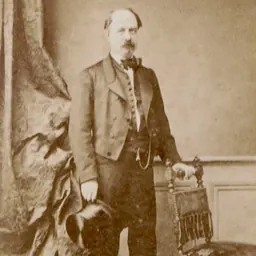
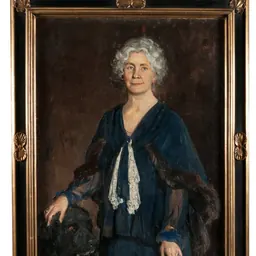
Contemporaries
People whose lives overlapped Cecilia de Madrazo's
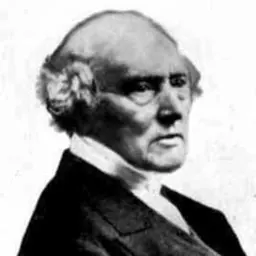

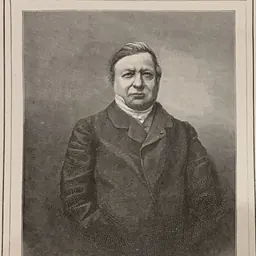


Frequently asked questions
Who was Cecilia de Madrazo?
noted collector of textiles
When was Cecilia de Madrazo born?
Cecilia de Madrazo was born on 20 December 1846 in Madrid.
When did Cecilia de Madrazo die?
Cecilia de Madrazo died in 1932 in Venice.
What was Cecilia de Madrazo's occupation?
Cecilia de Madrazo was a collector.
What nationality was Cecilia de Madrazo?
Cecilia de Madrazo was Spanish.
Sources & further reading
· Wikipedia: Cecilia de Madrazo
Cite this page
APA: Biography.guide. (2026). Cecilia de Madrazo. https://biography.guide/cecilia-de-madrazo/
MLA: "Cecilia de Madrazo." Biography.guide, https://biography.guide/cecilia-de-madrazo/.
Chicago: "Cecilia de Madrazo." Biography.guide. https://biography.guide/cecilia-de-madrazo/.
Data last updated: 2026-09-21 · Spot an error? Report a correction.
Portrait: Wikimedia Commons · author & licence
Page generated 2026-09-27 04:59 UTC