
About Buddy Bell
Born 1951. Buddy Bell is an American baseball player.
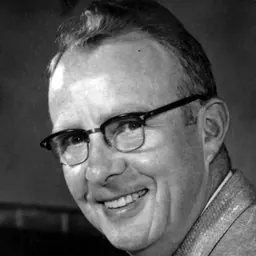
David Gus "Buddy" Bell (born August 27, 1951) is an American former third baseman and manager in Major League Baseball (MLB) currently serving as vice president and senior advisor to the general manager for the Cincinnati Reds.
After an 18-year career with four teams, most notably the Cleveland Indians, the Texas Rangers, and the Cincinnati Reds, he managed the Detroit Tigers, Colorado Rockies and Kansas City Royals for three seasons each and served as Vice President/Assistant General Manager for the Chicago White Sox. He was a five-time MLB All-Star and won six consecutive Rawlings Gold Glove Awards from 1979–1984.
He is the son of outfielder Gus Bell and the father of former third basemen Mike and David Bell, making them one of five families to have three generations play in the Major Leagues. When David was named Reds manager in October 2018, he and Bell became the fourth father-son pair to serve as major league managers, joining George and Dick Sisler, Bob and Joel Skinner, and Bob and Aaron Boone.
Career
Bell was born while his father was playing for the Pittsburgh Pirates. He attended Moeller High School in Cincinnati. He was drafted in 1969 by the Indians and was regarded as a promising prospect from the beginning. He first appeared in the Major Leagues with the Indians in , appearing mostly in the outfield as a rookie, but afterwards becoming a fixture at third base. The , Bell was a solid, but not overpowering, right-handed hitter on a mostly lackluster Indians team. He was named to the All-Star team in 1973.
After the season Bell was traded to the Texas Rangers in exchange for Toby Harrah — another solid, veteran third baseman. Bell enjoyed his best season with the Rangers in , collecting 200 hits, 101 RBI, and his first Gold Glove Award. From 1979 through 1984, Bell won the Gold Glove for third base in the American League. He also won the Silver Slugger Award in 1984. He finished in the top ten in batting average in 1980 and 1984.
In fielding, Bell was spectacular and often played far off the third base line, taking many base hits from opposing batters. In Total zone runs (a defensive statistic) he is ninth all time (ahead of Willie Mays) and 2nd among all third baseman (behind Brooks Robinson). His Range factor (another defensive stat) is fifth all-time among third baseman. He was in the top 10 in fielding percentage 10 times and finished first three times.
In the middle of the season, Bell was sent to the Cincinnati Reds, where his father had been a popular player in the 1950s. Buddy responded with two more solid years playing for second place teams under Pete Rose. In , he hit a career-high 20 home runs. In the season he began to fade and was traded to the Houston Astros. Bell was released in December and returned with the Rangers before the season, in which he appeared sparingly. In an 18-year career, Bell posted a .279 batting average with 201 home runs and 1106 RBI in 2405 games. He won six Gold Gloves, and made five All-Star Game appearances. In sabermetrics, Bell recorded a Wins above replacement (WAR) of 66.3 while having defensive WAR of 23.8, which ranks highly among players in his position. At the time of his retirement, only three other players had played more games than Bell who never reached the postseason.
Post-playing career Following retirement, Bell worked for several years as a coach for the Reds, and from 1994-95 for the Indians. He managed the Detroit Tigers from 1996–98. He then managed the Colorado Rockies from through part of when he was fired in April after a 6–16 start. As a manager both for Detroit and Colorado, Bell compiled a 184–277 record.
In November , Bell returned to coaching for the Cleveland Indians. On May 31, 2005, the Kansas City Royals hired Bell as their manager, three weeks after Tony Peña resigned. Bell won his first four games as a manager, becoming only the second Royals manager (after Whitey Herzog) to do so and guiding the Royals to their first four-game winning streak since .
Bell took a medical leave of absence from the team on September 20, 2006, after a lump was discovered on his tonsils. Bell had experienced difficulty swallowing in the previous weeks, and went to the Mayo Clinic in Scottsdale, Arizona, following the advice of Royals medical staff. On August 1, 2007, Bell announced that he would not be returning to the Royals bench at the conclusion of the 2007 season. Bell stated that his decision was his own, not based on pressure from the Royals front office, and that he wished to spend more time with his family.
Managerial record
Team Year Regular season PostseasonGamesWonLostWin %Finish Won Lost Win % ResultDET162 5th in AL East – – – –DET162 3rd in AL East – – – –DET137 Fired – – – –DET total 461 184 277 – – – COL162 4th in NL West – – – –COL162 5th in NL West – – – –COL22 Fired – – – –COL total 346 161 185 – – – KC112 5th in AL Central – – – –KC162 5th in AL Central – – – –KC162 5th in AL Central – – – –KC total 436 174 262 – – – Total 1,243 519 724 – – –
Don’t just read it —
keep it.
Full-length biographies made to live with: read them, listen on the way to work, watch them tonight.
- E-book
- Audio
- Video
Instant download · yours to keep · every purchase keeps this site free
Important facts
People in Buddy Bell's life
Named in this biography and alive at the same time





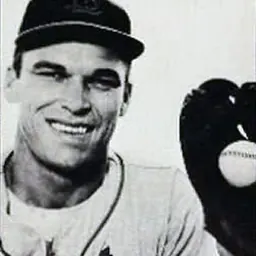
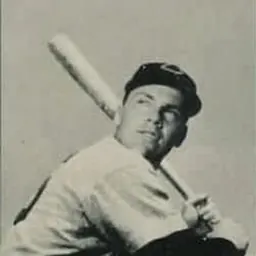
Related people
Same field, nearest in time

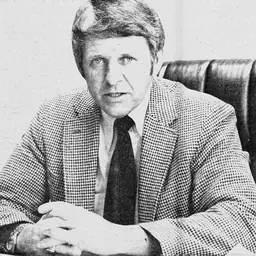

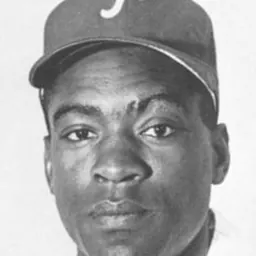

Contemporaries
People whose lives overlapped Buddy Bell's




Frequently asked questions
Who is Buddy Bell?
American Major league third baseman
When was Buddy Bell born?
Buddy Bell was born on 27 August 1951 in Pittsburgh.
What is Buddy Bell's occupation?
Buddy Bell is a baseball player.
What nationality is Buddy Bell?
Buddy Bell is American.
Sources & further reading
Cite this page
APA: Biography.guide. (2026). Buddy Bell. https://biography.guide/buddy-bell/
MLA: "Buddy Bell." Biography.guide, https://biography.guide/buddy-bell/.
Chicago: "Buddy Bell." Biography.guide. https://biography.guide/buddy-bell/.
Data last updated: 2026-09-20 · Spot an error? Report a correction.
Page generated 2026-09-27 05:30 UTC