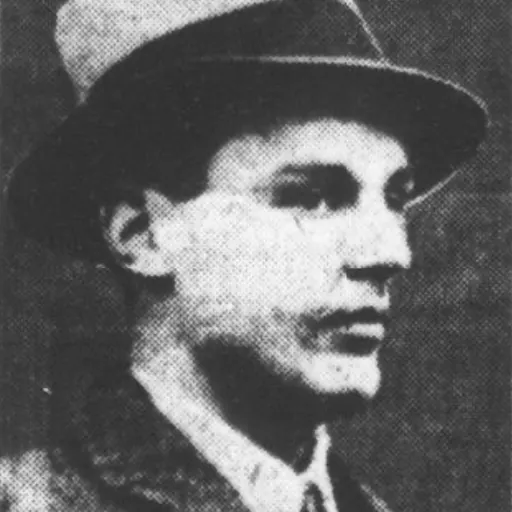
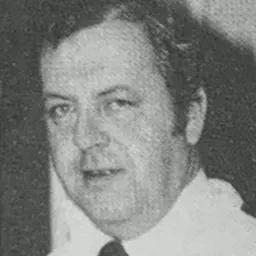
Barry Wood
American football player and medical educator
About Barry Wood
Lived 1910 – 1971 (aged 60). Barry Wood was an American microbiologist, researcher, physician, educator, american football player and university teacher.
Athletic and extracurricular career at Harvard A multitalented athlete, Wood earned a total of ten varsity letters at Harvard: three each in football, hockey, and baseball, plus one in tennis.
Wood first made his national reputation as a sophomore in 1929, when he led Harvard to a comeback 20-20 tie with Army: Wood threw a 40-yard touchdown pass and drop-kicked two extra points, including the kick to tie the game at the end. He appeared on the cover of the November 23, 1931 issue of Time magazine. He was the consensus first-team quarterback as selected by most of the 1931 College Football All-America Teams.
Wood was at the center of a controversy involving the famous sportscaster Ted Husing. Commenting on Wood's poor play in the 1931 Harvard-Dartmouth game, Husing opined, "Wood is certainly playing a putrid game today." Two plays later, Wood threw the winning touchdown pass in Harvard's 7–6 win. Harvard fans protested Husing's use of the word "putrid", and the Harvard athletic director notified Husing's boss, William S. Paley at CBS, that Husing would be banned from broadcasting Harvard home games.
Wood was well known for his role in Harvard's rivalry with Yale, which was led by its own three-sport star, Albie Booth. In the words of the 1931 Time article, "the essence of Harvard football this year, as Booth has been the essence of Yale football since his sophomore year, is William Barry Wood Jr., called "Barry" by sportswriters and "Bill" by friends." In 1930, the Harvard defense stymied Booth while Wood threw two touchdown passes, leading Harvard to a 13-0 win. Wood was elected to the College Football Hall of Fame in 1980.
Medical career Wood was also a leader off the field, praised as a model student-athlete by celebrated writers of the day such as Westbrook Pegler and Damon Runyon.
Wood earned his medical degree in 1936. and physician-in-charge at Barnes Hospital. He was part of a group that published an early paper on penicillin in 1943. The Wood Basic Science Building at Hopkins is named in his honor.
Don’t just read it —
keep it.
Full-length biographies made to live with: read them, listen on the way to work, watch them tonight.
- E-book
- Audio
- Video
Instant download · yours to keep · every purchase keeps this site free
Important facts
People in Barry Wood's life
Named in this biography and alive at the same time




Related people
Same field, nearest in time


Contemporaries
People whose lives overlapped Barry Wood's






Frequently asked questions
Who was Barry Wood?
American football player and medical educator (1910–1971)
When was Barry Wood born?
Barry Wood was born on 4 May 1910 in Milton.
When did Barry Wood die?
Barry Wood died on 9 March 1971 in Cambridge.
What was Barry Wood's occupation?
Barry Wood was a microbiologist, researcher, physician, educator, american football player and university teacher.
What nationality was Barry Wood?
Barry Wood was American.
Sources & further reading
· DBpedia: Barry Wood (American football)
Cite this page
APA: Biography.guide. (2026). Barry Wood. https://biography.guide/barry-wood/
MLA: "Barry Wood." Biography.guide, https://biography.guide/barry-wood/.
Chicago: "Barry Wood." Biography.guide. https://biography.guide/barry-wood/.
Data last updated: 2026-09-20 · Spot an error? Report a correction.
Portrait: Wikimedia Commons · author & licence
Page generated 2026-09-27 04:58 UTC