
About Ashfaq Ahmad
Lived 1925 – 2004 (aged 79). Ashfaq Ahmad was a Pakistani and Indian philosopher, novelist and writer.
Ashfaq Ahmed (; 22 August 1925 – 7 September 2004) was a Pakistani writer, playwright and broadcaster. His works in Urdu included novels, short stories and plays for Pakistan Television and Radio Pakistan. He is the recipient of Presidential Pride of Performance and Sitara-i-Imtiaz (Star of Excellence) awards for his everlasting services in the field of broadcasting and literary heritage of Pakistan.
Early life and education Ashfaq Ahmed was born on 22 August 1925 in Muktsar, Punjab, British India, in an ethnic Pashtun family of the Mohmand tribe. His early education was in Muktsar.
He completed a Master of Arts degree in Urdu literature from Government College Lahore. His wife, Bano Qudsia, was also a student there. Subsequently, he served as a lecturer at Dayal Singh College in Lahore for two years. He later moved to Rome, where he worked as an Urdu newscaster for Radio Rome and taught Urdu at the University of Rome. During his time in Europe, he earned diplomas in Italian and French from the University of Rome and the University of Grenoble, respectively. He also obtained a specialized diploma in radio broadcasting from New York University.
Career Literature As a boy he wrote stories, which were published in Phool (Flower), a magazine for children. After returning to Pakistan from Europe, he took out his own monthly literary magazine, Dastaango (Story Teller), and joined Radio Pakistan as a script writer. He was made editor of the popular Urdu weekly, Lail-o-Nahar (Day and Night), in place of famous poet Sufi Ghulam Mustafa Tabassum by the Government of Pakistan.
Ahmed wrote over thirty books. His short story (afsana), Gaddarya (The Shepherd) earned him early fame in 1955.
From his own resources, he created the Central Board for the Development of Urdu in Lahore.
Radio In 1962, Ashfaq Ahmed started his radio program, Talqeen Shah (The Preacher) which made him popular among the people in towns and villages. He remained with the board until 1979. He also served as an adviser in the Education Ministry during Zia-ul-Haq's regime.
Cinema In 1968, he wrote and directed the Urdu movie Dhoop Aur Sayay (Sun and Shades), which was also the only Urdu production of Hakim Ali Zardari. It was a failure at the box-office, but Ahmed argued that it was because its content was ahead of its time and anticipated the Parallel cinema movement in India. / Aur Dramay / Zavia Sitara-i-Imtiaz Award by the President of Pakistan
Don’t just read it —
keep it.
Full-length biographies made to live with: read them, listen on the way to work, watch them tonight.
- E-book
- Audio
- Video
Instant download · yours to keep · every purchase keeps this site free
Important facts
Family & relationships
People in Ashfaq Ahmad's life
Named in this biography and alive at the same time



Related people
Same field, nearest in time

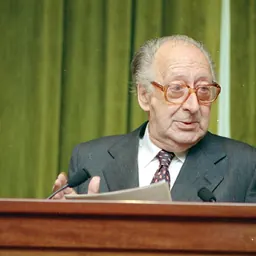
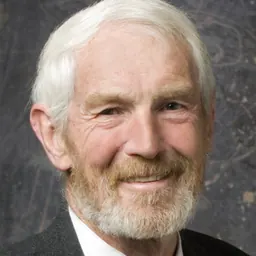
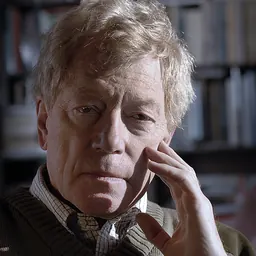

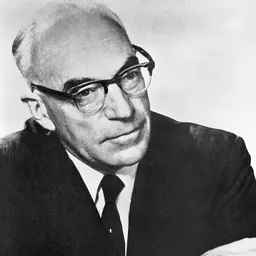
Contemporaries
People whose lives overlapped Ashfaq Ahmad's


Frequently asked questions
Who was Ashfaq Ahmad?
Pakistani philosopher, novelist (1925-2004)
When was Ashfaq Ahmad born?
Ashfaq Ahmad was born on 22 August 1925 in Firozpur.
When did Ashfaq Ahmad die?
Ashfaq Ahmad died on 7 September 2004 in Lahore.
What was Ashfaq Ahmad's occupation?
Ashfaq Ahmad was a philosopher, novelist and writer.
What nationality was Ashfaq Ahmad?
Ashfaq Ahmad was Pakistani and Indian.
Sources & further reading
Cite this page
APA: Biography.guide. (2026). Ashfaq Ahmad. https://biography.guide/ashfaq-ahmad/
MLA: "Ashfaq Ahmad." Biography.guide, https://biography.guide/ashfaq-ahmad/.
Chicago: "Ashfaq Ahmad." Biography.guide. https://biography.guide/ashfaq-ahmad/.
Data last updated: 2026-09-20 · Spot an error? Report a correction.
Page generated 2026-09-27 05:00 UTC