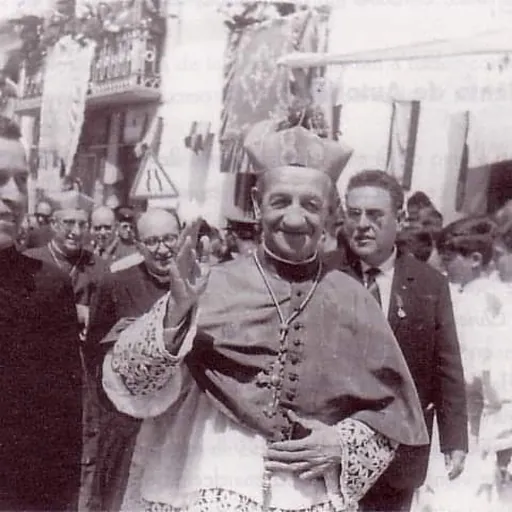
Antonio Riberi
Catholic cardinal and apostolic nuncio
About Antonio Riberi
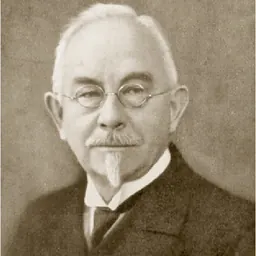
Lived 1897 – 1967 (aged 70). Antonio Riberi was an Italian theologian, catholic priest and catholic bishop.
Antonio Riberi (15 June 1897 – 16 December 1967) was a Monegasque prelate of the Catholic Church. He served as the fifth apostolic nuncio to Ireland and later as the nuncio to Spain from 1962 until his death. He was elevated to the cardinalate in 1967.
Biography Born in Monte Carlo, Riberi studied at the seminary in Cuneo, Italy, and the Pontifical Gregorian University and Pontifical Ecclesiastical Academy in Rome, where he was ordained to the priesthood on 29 June 1922. He then furthered his studies until 1925 at the Institute of Social Sciences in Bergamo. From 1925 to 1930, Riberi served as attaché and secretary of the Bolivian nunciature. He was raised to the rank of an honorary chamberlain of his holiness on 1 May 1925, and made counselor of the nunciature to Ireland in 1930.
On 13 August 1934, Riberi was appointed titular archbishop of Dara. He received his episcopal consecration on the following 28 October from Cardinal Pietro Fumasoni Biondi, with Archbishops Giuseppe Pizzardo and Carlo Salotti serving as co-consecrators. Riberi was later named nuncio to the African missions dependent of the Sacred Congregation for the Propagation of the Faith on 4 November of that same year. During this time, he resided in Mombasa, Kenya. Archbishop Riberi, from 1939 to 1946, headed the Vatican's assistance service for the prisoners of war and wounded soldiers of the Second World War.
Riberi arrived in China in 1942.
In summer 1949, during the Chinese Civil War, the Communist forces captured the Nationalist capital, Nanjing. In response, initiatives including Fr. Wang Liangzuo's "Guangyuan Declaration of Catholic Self-Reformation" gained support from Chinese Catholics.
Chinese authorities arrested Riberi on allegations of colluding with American intelligence and false accusations of participating in a plot to kill Mao Zedong. Under police guard, Riberi was deported to British Hong Kong. Riberi stayed in Hong Kong for two years, and after lobbying from the Republic of China (ROC), Bishop Yu Bin, and Cardinal Francis Spellman, moved his nunciature to Taipei.
Riberi became nuncio to Ireland on 19 February 1959, and to Spain on 28 April 1962. From 1962 to 1965, he attended the Second Vatican Council.
He was created cardinal-priest of San Girolamo della Carità by Pope Paul VI in the consistory of 26 June 1967, but died some months later in Rome, at age 70. Cardinal Riberi is buried in his family's tomb in Limone Piemonte.
Don’t just read it —
keep it.
Full-length biographies made to live with: read them, listen on the way to work, watch them tonight.
- E-book
- Audio
- Video
Instant download · yours to keep · every purchase keeps this site free
Important facts
People in Antonio Riberi's life
Named in this biography and alive at the same time

Related people
Same field, nearest in time


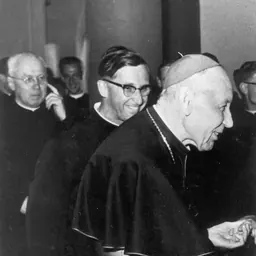
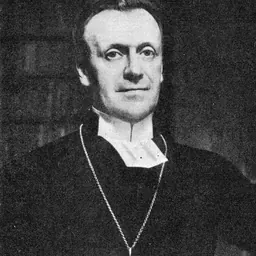
Contemporaries
People whose lives overlapped Antonio Riberi's

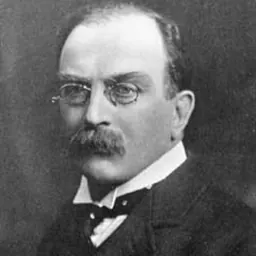

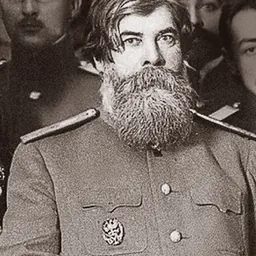

Frequently asked questions
Who was Antonio Riberi?
Catholic cardinal and apostolic nuncio (1897–1967)
When was Antonio Riberi born?
Antonio Riberi was born on 15 June 1897 in Monaco.
When did Antonio Riberi die?
Antonio Riberi died on 16 December 1967 in Rome.
What was Antonio Riberi's occupation?
Antonio Riberi was a theologian, catholic priest and catholic bishop.
What nationality was Antonio Riberi?
Antonio Riberi was Italian.
Sources & further reading
Cite this page
APA: Biography.guide. (2026). Antonio Riberi. https://biography.guide/antonio-riberi/
MLA: "Antonio Riberi." Biography.guide, https://biography.guide/antonio-riberi/.
Chicago: "Antonio Riberi." Biography.guide. https://biography.guide/antonio-riberi/.
Data last updated: 2026-09-20 · Spot an error? Report a correction.
Portrait: Wikimedia Commons · author & licence
Page generated 2026-09-27 04:58 UTC