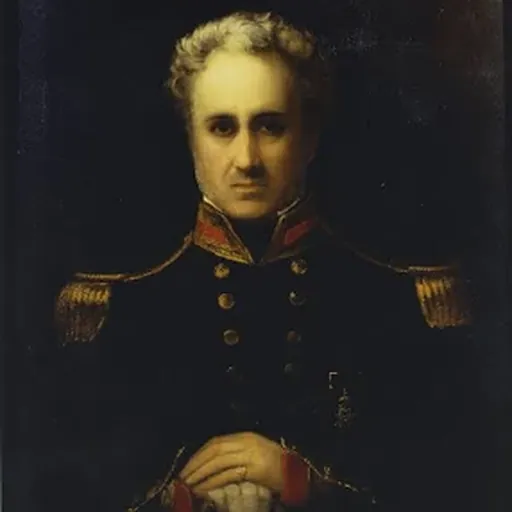
About Alexander Maconochie
Lived 1787 – 1860 (aged 73). Alexander Maconochie was a geographer, naval officer and military officer, known for England and Penal reformer.
Alexander Maconochie (11 February 1787 – 25 October 1860) was a Scottish naval officer, geographer and penal reformer.
In 1840, Maconochie became the Governor of Norfolk Island, a prison island in which convicts were treated with severe brutality and were seen as lost causes. Upon reaching the island, Maconochie immediately instituted policies that restored dignity to prisoners and achieved remarkable success in prisoner rehabilitation. Those policies were well in advance of their time, but Maconochie was politically undermined.
His ideas would be largely ignored and forgotten, only to be readopted as the basis of modern penal systems over a century later, during the mid-to-late 20th century. He was also the first professor of geography at the University College London.
Early life, naval career and geographer Maconochie was born in Edinburgh on 11 February 1787. At the age of 9, his father died and he was raised by Allan Maconochie, later Lord Meadowbank. In 1833, he became the first professor of Geography at the University College London, and was a knight of the Royal Guelphic Order.
Penal reformer In 1836, he sailed to the convict settlement at Hobart in Van Diemen's Land (now Tasmania) as private secretary to the Lieutenant-Governor Sir John Franklin. There, he wrote a report strongly critical of the state of prison discipline. The convict system, being fixated on punishment alone, released into society crushed, resentful and bitter expirees in whom the spark of enterprise and hope was dead. Maconochie's report "can be said to mark the peak and incipient decline of transportation to Australia" when it was given to Lord Russell, the Home Secretary and ardent critic of transportation, according to Robert Hughes.
Although the report was used by the Molesworth Committee on transportation in 1837–1838, the criticism of that work forced Franklin to dismiss him.
Norfolk Island convict settlement in about 1839; watercolour painting by Thomas Seller (National Library of Australia collection).
According to his biographer John Barry, Maconochie "was a deeply religious man, of generous and compassionate temperament, and convinced of the dignity of man". His two basic principles of penology were the following: as cruelty debases both the victim and society, punishment should not be vindictive but aim at the reform of the convict to observe social constraints. a convict's imprisonment should consist of task, not time sentences, with release depending on the performance of a measurable amount of labour.
Following the Molesworth Committee's report, transportation to New South Wales was abolished in 1840 although it continued to other colonies. Disturbed at reports of conditions on Norfolk Island, Lord Normanby, Secretary of State for the Colonies, suggested that a new system should be used, and the superintendence given to an officer deeply concerned with the moral welfare of the convicts. Maconochie was recommended to put the new system in place.
In March 1840 he took up duties as commandant of the penal settlement at Norfolk Island and applied his penal principles, known today as the "Mark System". It had an immense influence on the development of penology.
In 1849, he was appointed governor of the new prison at Birmingham
Published works republished as: General Views Regarding the Social System of Convict Management / suggested by Captain Maconochie, Hobart Town: J. C. Macdougall, 1839.
Don’t just read it —
keep it.
Full-length biographies made to live with: read them, listen on the way to work, watch them tonight.
- E-book
- Audio
- Video
Instant download · yours to keep · every purchase keeps this site free
Important facts
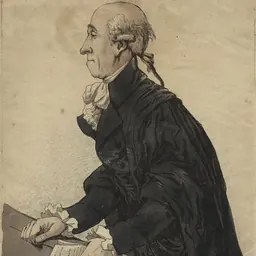
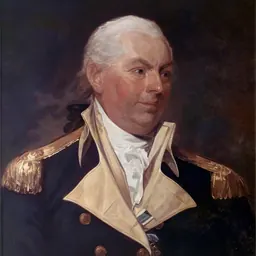
People in Alexander Maconochie's life
Named in this biography and alive at the same time

Related people
Same field, nearest in time

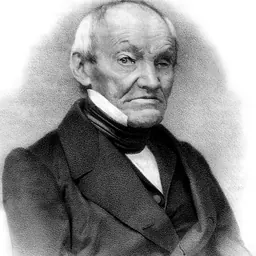
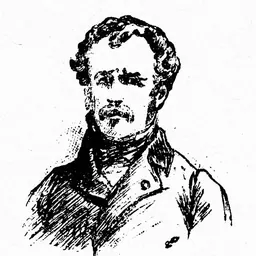
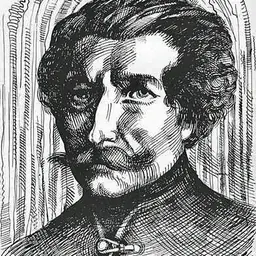
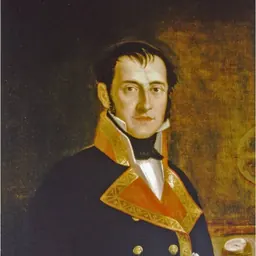
Contemporaries
People whose lives overlapped Alexander Maconochie's



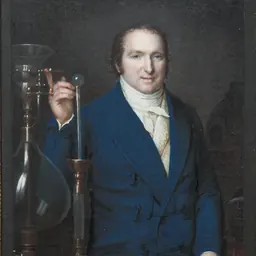
Frequently asked questions
Who was Alexander Maconochie?
British penal reformer (1787–1860)
When was Alexander Maconochie born?
Alexander Maconochie was born on 11 February 1787 in Edinburgh.
When did Alexander Maconochie die?
Alexander Maconochie died on 25 October 1860 in Morden.
What was Alexander Maconochie's occupation?
Alexander Maconochie was a geographer, naval officer and military officer.
What was Alexander Maconochie known for?
Alexander Maconochie was known for England and Penal reformer.
Sources & further reading
· Wikipedia: Alexander Maconochie
· DBpedia: Alexander Maconochie (penal reformer)
Cite this page
APA: Biography.guide. (2026). Alexander Maconochie. https://biography.guide/alexander-maconochie/
MLA: "Alexander Maconochie." Biography.guide, https://biography.guide/alexander-maconochie/.
Chicago: "Alexander Maconochie." Biography.guide. https://biography.guide/alexander-maconochie/.
Data last updated: 2026-09-23 · Spot an error? Report a correction.
Portrait: Wikimedia Commons · author & licence
Page generated 2026-09-27 05:06 UTC