
About Ajahn Chah
Lived 1918 – 1992 (aged 73). Ajahn Chah was a Thai buddhist monk.
Ajahn Chah (17 June 191816 January 1992) was a Thai Buddhist monk. He was an influential teacher of the Buddhadhamma and a founder of two major monasteries in the Thai Forest Tradition.
Respected and loved in his own country as a man of great wisdom, he was also instrumental in establishing Theravada Buddhism in the West. Beginning in 1979 with the founding of Cittaviveka (commonly known as Chithurst Buddhist Monastery) in the United Kingdom, the Forest Tradition of Ajahn Chah has spread throughout Europe, the United States and the British Commonwealth. The dhamma talks of Ajahn Chah have been recorded, transcribed and translated into several languages.
More than one million people, including the Thai royal family, attended Ajahn Chah's funeral in January 1993 held a year after his death due to the "hundreds of thousands of people expected to attend". his Dhamma name was Subhaddo , and his monastic title was Phra Bodhiñāṇathera .
Early life and ordination
Ajahn Chah was born on 17 June 1918 near Ubon Ratchathani in the Isan region of northeast Thailand. His family were subsistence farmers. As is traditional, Ajahn Chah entered the monastery as a novice (sāmaṇera) at the age of nine, where, during a three-year stay, he learned to read and write.
According to the 2017 biography Stillness Flowing
The monks of this tradition keep very strictly what they believe to be the original monastic rule laid down by the Buddha known as the vinaya. The early major schisms in the Buddhist sangha were largely due to disagreements over which set of training rules should be applied. Some adopted a more flexible set, whereas others adopted a stricter one, both sides believing to follow the rules as the Buddha had framed them. The Theravada tradition is the heir to the latter view. An example of the strictness of the discipline might be the rule that prohibits eating before dawn and after noon. In the Thai Forest Tradition, monks and nuns go further and observe the 'one eaters practice', whereby they only eat once a day. This special practice is one of the thirteen dhutanga, optional ascetic practices permitted by the Buddha that are used on an occasional or regular basis to deepen meditation practice and promote contentment with subsistence. Other examples of these practices are sleeping outside under a tree, or dwelling in secluded forests or graveyards.
Monasteries founded
After years of wandering, Ajahn Chah decided to plant roots in an uninhabited grove near his birthplace. In 1954, Wat Nong Pah Pong monastery was established, where Ajahn Chah could teach his simple, practice-based form of meditation. He attracted a wide variety of disciples, which included, in 1966, the first Westerner, Venerable Ajahn Sumedho. Wat Nong Pah Pong includes over 250 branches throughout Thailand, as well as over 15 associated monasteries and ten lay practice centers around the world. 1979 saw the founding of Cittaviveka (commonly known as Chithurst Buddhist Monastery due to its location in the small hamlet of Chithurst) with Ajahn Sumedho as its head. Several of Ajahn Chah's Western students have since established monasteries throughout the world.
Later life By the early 1980s, Ajahn Chah's health was in decline due to diabetes. He was taken to Bangkok for surgery to relieve paralysis caused by the diabetes, but it was to little effect. Ajahn Chah used his ill health as a teaching point, emphasizing that it was "a living example of the impermanence of all things...(and) reminded people to endeavor to find a true refuge within themselves, since he would not be able to teach for very much longer".
Described Miracles It is said that on the day Luang Pu first entered the cemetery, a child had died in the village and was to be buried. When he walked to the grave, Luang Pu looked down and reportedly saw a vision of a boy being born clearly within it. The next morning, he asked the layman whether the buried child had been a boy or a girl. The layman confirmed that it was a boy.
Thai Dhamma Heirs
Phra Ratchawacharasirimongkol (Si Siriyano) Wat Pa Si Mongkol (Wat Pa Ban Puey) Non Kalen Subdistrict, Samrong District, Ubon Ratchathani Province Phra Mongkhonkittithada (Amorn Khemjitto) Wat Pa Wiwek (Thamchan) Muang Samsib District, Ubon Ratchathani Province Phra Phromwachirayanasophon (Liam Thitthammo) Wat Nong Pa Pong, Non Phueng Subdistrict, Warin Chamrap District, Ubon Ratchathani Province Phra Ratchaphiphat Watcharodom (Kham Nissoko) Wat Pa Thai Phatthana, Det Udom District Ubon Ratchathani Province Phra Khru Suwannapotikhet (Khun Akkathammo) Wat Pa Pho Suwan, Na Pho Subdistrict, Phibun Mangsahan District, Ubon Ratchathani Province Phra Ratchawachiramuni (Prasopchai Kantasilo) Wat Pa Chittaphawan (Fahkram), Khu Khot Subdistrict, Lam Luk Ka District, Pathum Thani Province Phra Ratchawachirayan (Anan Akijjano) Wat Marp Jan, Klaeng Subdistrict, Mueang Rayong District, Rayong Province Phra Ratchapatcharamanit (Akkaradet Thirachitto) Wat Bunyawat, Bo Thong Subdistrict, Bo Thong District, Chonburi Province etc.
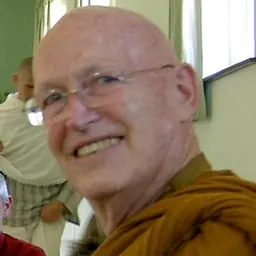
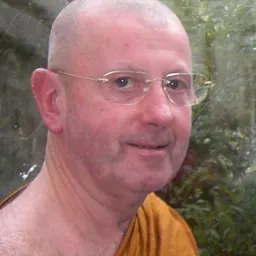
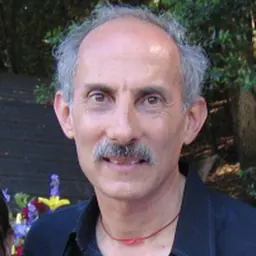
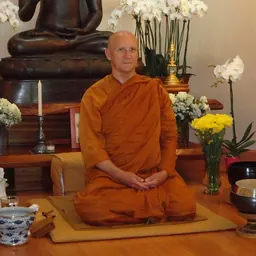
Notable Western students Ajahn Sumedho, founder and former abbot of Chithurst Buddhist Monastery and Amaravati Buddhist Monastery, Hemel Hempstead, Hertfordshire, England Ajahn Khemadhammo, abbot of The Forest Hermitage, Warwickshire, England Ajahn Viradhammo, abbot of Tisarana Buddhist Monastery in Perth, Ontario, Canada Ajahn Sucitto, retired abbot of Cittaviveka monastery. A Dhamma writer. Ajahn Pasanno, retired abbot of Abhayagiri Monastery, Redwood Valley, California, USA Ajahn Amaro, abbot of Amaravati Monastery, Amaravati Buddhist Monastery, Hemel Hempstead, Hertfordshire England Ajahn Brahmavamso, abbot of Bodhinyana Monastery, Perth, Western Australia Ajahn Jayasaro, author of Stillness Flowing, the biography of Ajahn Chah, and former abbot of Wat Pah Nanachat Jack Kornfield, co-founder of Insight Meditation Society, Barre, Massachusetts, USA and Spirit Rock Meditation Center in Woodacre, California, USA
Don’t just read it —
keep it.
Full-length biographies made to live with: read them, listen on the way to work, watch them tonight.
- E-book
- Audio
- Video
Instant download · yours to keep · every purchase keeps this site free
Important facts
People in Ajahn Chah's life
Named in this biography and alive at the same time

Related people
Same field, nearest in time





Contemporaries
People whose lives overlapped Ajahn Chah's


Frequently asked questions
Who was Ajahn Chah?
Thai Buddhist monk (1918–1992)
When was Ajahn Chah born?
Ajahn Chah was born on 17 June 1918 in Ubon Ratchathani.
When did Ajahn Chah die?
Ajahn Chah died on 16 January 1992 in Ubon Ratchathani.
What was Ajahn Chah's occupation?
Ajahn Chah was a buddhist monk.
What nationality was Ajahn Chah?
Ajahn Chah was Thai.
Sources & further reading
Cite this page
APA: Biography.guide. (2026). Ajahn Chah. https://biography.guide/ajahn-chah/
MLA: "Ajahn Chah." Biography.guide, https://biography.guide/ajahn-chah/.
Chicago: "Ajahn Chah." Biography.guide. https://biography.guide/ajahn-chah/.
Data last updated: 2026-09-20 · Spot an error? Report a correction.
Page generated 2026-09-27 05:12 UTC