
Valerio de la Cruz
Indigenous Mexican conquistador
About Valerio de la Cruz
Lived 1517 – 1572 (aged 54–55).
Juan Bautista Valerio de la Cruz (June 24, 1517 – 1589) was an Indigenous Mexican conquistador. He led soldiers in the Spanish conquest of territory from Chichimeca peoples and was later made governor of the province of Jilotepec in early New Spain.
Early life Juan Bautista Valerio de la Cruz was born Xicalchalchílmitl in Texcoco. He was the descendant of the famous Texcocan poet-king (or tlatoani) Nezahualcóyotl. After the Spanish occupation of Mexico, Xicalchalchílmitl was baptized by the city attorney of Mexico City, Don Bernardino de Santa Clara. According to the Jilotepec Codex, he received the name "Juan Bautista" because he was born on the feast day of John the Baptist (June 24), the name "Valerio" from his uncle, and the apellation "de la Cruz" because he arrived in Jilotepec on the day of the Day of the Cross (May 3).
Don Antonio de Mendoza, first viceroy of New Spain, ordered de la Cruz to raise an army and conquer territory where Chichameca tribes lived.
According to the Jilotepec Codex, de la Cruz actively reduced the number of smaller settlements, and evangelized to and converted the local Chichameca population. It was said of him "nunca mostrar cariño a los indios y tenerlos muy sujetos [he never showed affection to the natives and had them very subjugated]."
Valerio de la Cruz's work was so successful in the region that around 1540 he was elected to governor of the province, and by 1545 Mendoza had conferred upon him the title of Captain of the Great Chichameca. to lead the local Otomi people against the Chichamecas. Further, de la Cruz was granted a coat of arms by Holy Roman Emperor Carlos V and permission to don the cross and habit of the Order of Santiago by Felipe II of Spain.
Charity
During his time in the Jilotepec region, de la Cruz undertook many charitable acts. In 1565, thanks to the work of de la Cruz, the construction of the open chapel in Jilotepec (Nuestra Señora de la Limpia Concepción) began. Its use was intended primarily for the local indigenous population. It measured 47 x 27 meters and was one of the largest open chapels of its time.
He is credited with the construction of the first churches in Jilotepec (La Parroquia de San Pedro y San Pablo), Tula (La Catedral de San José), and Huichapan (Parroquia de San Mateo Apóstol). He constructed the Cruz del Doendó and reconstructed Jilotepec's Atrial Cross in front of the Church of Saint Peter and Saint Paul, two of Jilotepec's iconic stone crosses.
In 1569 he began construction on multiple bridges in the region, notably in Jilotepec and Tula, to facilitate traffic on the Camino Real.
Death Don Juan Bautista Valerio de la Cruz died in Jilotepec in 1589 and was buried with "ostentation," "pomp, and solemnity" by order of the Viceroy in the Convent of Santiago in Tlatelolco, Mexico.
Don’t just read it —
keep it.
Full-length biographies made to live with: read them, listen on the way to work, watch them tonight.
- E-book
- Audio
- Video
Instant download · yours to keep · every purchase keeps this site free
Important facts
People in Valerio de la Cruz's life
Named in this biography and alive at the same time

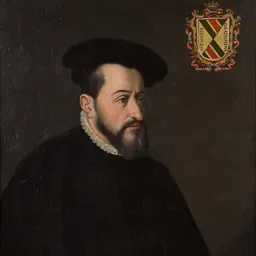
Contemporaries
People whose lives overlapped Valerio de la Cruz's
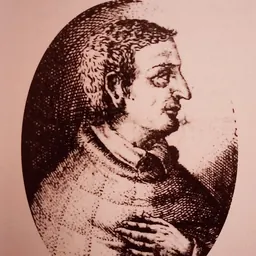





Frequently asked questions
Who was Valerio de la Cruz?
indigenous Mexican conquistador
When was Valerio de la Cruz born?
Valerio de la Cruz was born in 1517.
When did Valerio de la Cruz die?
Valerio de la Cruz died in 1572.
Sources & further reading
· Wikipedia: Valerio de la Cruz
Cite this page
APA: Biography.guide. (2026). Valerio de la Cruz. https://biography.guide/valerio-de-la-cruz/
MLA: "Valerio de la Cruz." Biography.guide, https://biography.guide/valerio-de-la-cruz/.
Chicago: "Valerio de la Cruz." Biography.guide. https://biography.guide/valerio-de-la-cruz/.
Data last updated: 2026-09-20 · Spot an error? Report a correction.
Page generated 2026-09-27 05:29 UTC