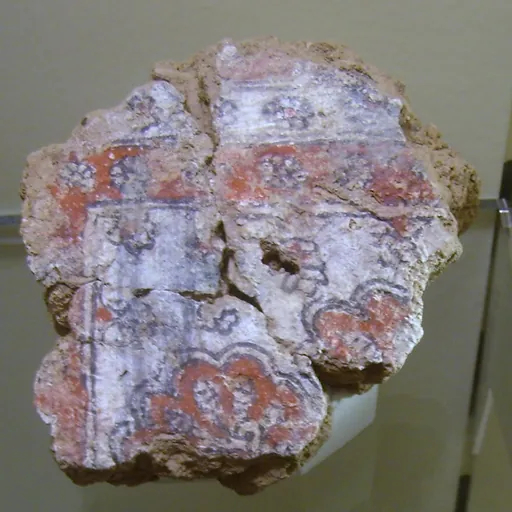
About Tukulti-Ninurta I
Tukulti-Ninurta I was a sovereign.
Tukulti-NinurtaI ( ; reigned 1243–1207BC) was a king of Assyria during the Middle Assyrian Empire. He is the first king known to use the title "King of Kings".
Reign Tukulti-NinurtaI succeeded ShalmaneserI, his father, as king and won a major victory against the Hittite Empire at the Battle of Nihriya in the first half of his reign, appropriating Hittite territory in Asia Minor and the Levant. Tukulti-NinurtaI retained Assyrian control of Urartu, and later defeated KaštiliašuIV, the Kassite king of Babylonia, and captured the rival city of Babylon to ensure full Assyrian supremacy over Mesopotamia. He set himself up as king of Babylon, and took on the ancient title "King of Sumer and Akkad" first used by Ur-Nammu.
Babylonian victory Tukulti-Ninurta had petitioned the god Shamash before beginning his counter offensive. KashtiliashIV was captured, single-handed by Tukulti-Ninurta according to his account, who "trod with my feet upon his lordly neck as though it were a footstool" and deported him ignominiously in chains to Assyria. The victorious Assyrian demolished the walls of Babylon, massacred many of the inhabitants, pillaged and plundered his way across the city to the Esagila temple, where he made off with the Statue of Marduk. After capturing Babylonia, he invaded the Arabian Peninsula, conquering the pre-Arab states of Dilmun and Meluhha. Middle Assyrian texts recovered at ancient Dūr-Katlimmu include a letter from Tukulti-Ninurta to his sukkal rabi'u, or grand vizier, Ashur-iddin advising him of the approach of his general Shulman-mushabshu escorting the captive Kashtiliash, his wife, and his retinue which incorporated a large number of women, on his way to exile after his defeat. In the process he defeated the Elamites, who had themselves coveted Babylon. He also wrote an epic poem documenting his wars against Babylon and Elam. After a Babylonian revolt, he raided and plundered the temples in Babylon, regarded as an act of sacrilege to all Mesopotamians, including Assyrians.
Conspiracy As relations with the priesthood in Aššur began deteriorating, Tukulti-Ninurta built a new capital city, Kar-Tukulti-Ninurta. However, his sons rebelled against him and besieged him there. During the siege, he was murdered. One of them, Ashur-nadin-apli, would succeed him on the throne.
Death After his death, the Assyrian Empire fell into a brief period of stagnation. The Tukulti-Ninurta Epic describes the war between Tukulti-NinurtaI and KashtiliashIV.
Stela of Tukulti-NinurtaI. Describes how he rebuilt the temple of the goddess Dinitu from its foundations. "I built within a lofty dais and an awesome sanctuary for the abode of the goddess Dinitu, my mistress, and deposited my stelas." From Assur, northern Iraq.
Don’t just read it —
keep it.
Full-length biographies made to live with: read them, listen on the way to work, watch them tonight.
- E-book
- Audio
- Video
Instant download · yours to keep · every purchase keeps this site free
Important facts
Family & relationships
Related people
Same field, nearest in time



Frequently asked questions
Who was Tukulti-Ninurta I?
King of Assyria
What was Tukulti-Ninurta I's occupation?
Tukulti-Ninurta I was a sovereign.
What nationality was Tukulti-Ninurta I?
Tukulti-Ninurta I's recorded nationality: Assyrian Empire.
Sources & further reading
· Wikipedia: Tukulti-Ninurta I
Cite this page
APA: Biography.guide. (2026). Tukulti-Ninurta I. https://biography.guide/tukulti-ninurta-i/
MLA: "Tukulti-Ninurta I." Biography.guide, https://biography.guide/tukulti-ninurta-i/.
Chicago: "Tukulti-Ninurta I." Biography.guide. https://biography.guide/tukulti-ninurta-i/.
Data last updated: 2026-09-23 · Spot an error? Report a correction.
Portrait: Wikimedia Commons · author & licence
Page generated 2026-09-27 05:05 UTC