
About Tsumasaburō Bandō
Lived 1901 – 1953 (aged 51). Tsumasaburō Bandō was a Japanese actor, film producer, film director, kabuki actor and film actor.
was one of the most prominent Japanese actors of the twentieth century. Famous for his rebellious, sword fighting roles in many jidaigeki silent films, he rose to fame after joining the Tōjiin Studio of Makino Film Productions in Kyoto in 1923.
Life
Early life
Bantsuma, birth name Denkichi Tamura, was born in Kodenmachō, Nihonbashi, Tokyo. At school, he was often the leader of the pack and was actively involved in plays. While performing in a school play, Bantsuma froze on stage, unable to recite his lines. Embarrassed, he ran off and stayed in his room, weeping for 10 days. It is said that during this time, he vowed to become someone who would be admired by all.
After the death of his mother, his father's business soon went bankrupt and Bantsuma was unable to continue his education. After finishing elementary school, he became an apprentice and pupil to Kataoka Nizaemon, a famous kabuki actor.
Filmography Kosuzume Toge (1923, Director: Numata Koroku) Gyakuryu (1924, Director: Buntaro Futagawa) Kageboshi (1925, Director: Buntaro Futagawa) Orochi (1925, Director: Buntaro Futagawa) Ranto no Chimata (1926, Director: Yasuda Kempo) Chizome no Jujika (1927, Director: Norikuni Yasuda) Sakamoto Ryoma (1928, Director: Edamasa Yoshiro) Karasu-gumi (1930, Director: Minoru Inuzuka) Koina no Ginpei, Yuki no Wataridori (1931, Director: Tomikazu Miyata) Sunae Shibari-Morio Jushiro (1935, Director: Minoru Inuzuka) Niino Tsuruchiyo (1935, Director: Ito Daisuke) Chikemuri Takadanobaba (1937, Director: Hiroshi Inagaki) Chushingura (1938, Director: Makino Masahiro, Ikeda Tomiyasu) Mazo (1938, Director: Hiroshi Inagaki) Zoku Mazo-Ibara Ukon (1939, Hiroshi Inagaki) Tsubanari Ronin (1939, Director: Ryohei Arai) Zoku Tsubanari Ronin (1940, Director: Ryohei Arai) Muhomatsu no issho (1943, Director: Inagaki Hiroshi) Noroshi wa Shanghai ni agaru (1944, Director: Hiroshi Inagaki, Feng Yuek) Tokai Suikoden (1945, Director: Hiroshi Inagaki, Daisuke Itō) Suronin Makaritoru (1947, Director: Daisuke Itō) Tsukinode no Ketto (1947, Director: Santaro Marune) Oushou (1948, Director: Daisuke Itō) Yabure-daiko (1949, Director: Keisuke Kinoshita) Oboro Kago (1951, Director: Daisuke Itō) Oedo Go-nin Otoko (1951, Director: Daisuke Itō) Inazuma Soshi (1951, Director: Hiroshi Inagaki) Abare-jishi (1953, Director: Osone Tatsuo)
Don’t just read it —
keep it.
Full-length biographies made to live with: read them, listen on the way to work, watch them tonight.
- E-book
- Audio
- Video
Instant download · yours to keep · every purchase keeps this site free
Important facts
Family & relationships
People in Tsumasaburō Bandō's life
Named in this biography and alive at the same time
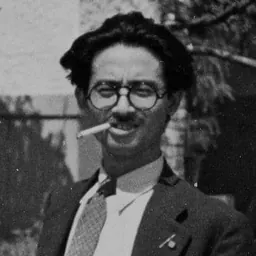
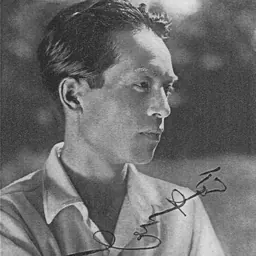



Related people
Same field, nearest in time

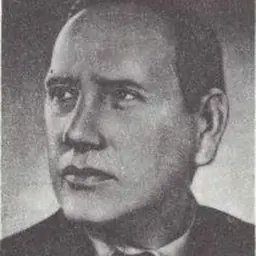

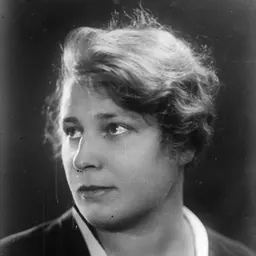
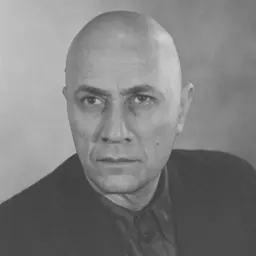
Contemporaries
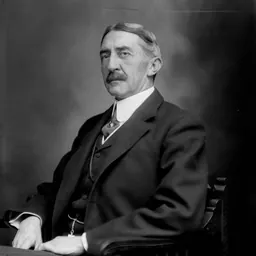
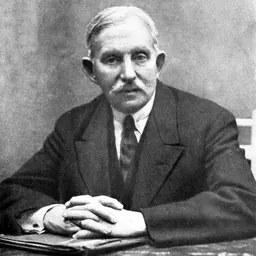
People whose lives overlapped Tsumasaburō Bandō's


Frequently asked questions
Who was Tsumasaburō Bandō?
Japanese actor (1901–1953)
When was Tsumasaburō Bandō born?
Tsumasaburō Bandō was born on 13 December 1901 in Nihonbashi, Kanda-ku.
When did Tsumasaburō Bandō die?
Tsumasaburō Bandō died on 7 July 1953 in Kyoto.
What was Tsumasaburō Bandō's occupation?
Tsumasaburō Bandō was an actor, film producer, film director, kabuki actor and film actor.
What nationality was Tsumasaburō Bandō?
Tsumasaburō Bandō was Japanese.
Sources & further reading
· Wikipedia: Tsumasaburō Bandō
Cite this page
APA: Biography.guide. (2026). Tsumasaburō Bandō. https://biography.guide/tsumasaburo-bando/
MLA: "Tsumasaburō Bandō." Biography.guide, https://biography.guide/tsumasaburo-bando/.
Chicago: "Tsumasaburō Bandō." Biography.guide. https://biography.guide/tsumasaburo-bando/.
Data last updated: 2026-09-26 · Spot an error? Report a correction.
Page generated 2026-09-27 05:15 UTC