
About Steve Hindi
Born 1953. Steve Hindi is an American aircraft pilot.
Steven Omar Hindi (born ) is an American animal rights activist and businessman. He is the founder and president of the animal rights organization Showing Animals Respect and Kindness (SHARK).
Born in St. Paul, Minnesota, Hindi grew up in a hunting and fishing culture. In 1985, he caught a 230-pound Mako shark in a feat that received a writeup in the New York Daily News. He ceased hunting and fishing after witnessing a live pigeon shoot in Pennsylvania on Labor Day, September 4, 1989. Shocked and disgusted by the sight of thousands of pigeons getting shot after flying from boxes, Hindi vowed to give up his hunting hobby and fight against it instead.
Hindi founded the Fox Valley Animal Protectors, which evolved into the Chicago Animal Rights Coalition (CHARC) in 1993 and is currently called Showing Animals Respect and Kindness (SHARK), to document animal abuse and disseminate information. Hindi's animal rights activism with the organization has involved lobbying legislators to pass laws against animal cruelty and documenting and protesting against rodeos, live pigeon shoots, geese shoots, bullfighting, horse slaughter, and deer killing. He posts video footage of animal abuse on SHARK's YouTube channel.
Hindi served a stint as shipping and receiving clerk at Carol Stream, Illinois-based Allied Rivet (then called Allied Tubular Rivet), a company that manufactures tubular rivets, before purchasing the company in the mid-1980s, becoming its president, and moving it to Geneva, Illinois. In 1992, he ran unsuccessfully in the Republican primary for a seat in the Illinois General Assembly against Tom Cross.
Personal life Born Steve Hindi grew up in a St. Paul housing project with his mother, Esther, and younger brother, ("Greg"). While he was a young child, his father deserted the family. Hindi told the Chicago Reader in 1993, "I got the nagging feeling that this wasn't going to work out as I had planned" and decided to change careers to work as a shipping and receiving clerk at Allied Rivet. The family had five dogs and seven cats. Hindi's animal rights activism caused his marriage to end. His repeated traveling and imprisonment turned away his wife, who said in a 2004 interview with the Daily Herald, "It was the downfall of our marriage. I was just thinking 'I'm raising these kids alone' and 'I'm out.'"
In 1992, Hindi served as the president of the Fox Valley Animal Protectors in DuPage County, Illinois. Hindi noticed that live pigeon shoots were happening in the field behind Carpy's Cove, a tavern and restaurant in Will County, Illinois. About four times a year, a dozen to two dozen shooters would pay $100 to shoot 25 pigeons each. Every Sunday, Hindi drove to the bar to check whether people were preparing for a live pigeon shoot. Whenever he found pigeon shoot preparations, Hindi notified around two dozen activists to join him in protesting the shoot.
The Seneca Hunt Club, one of Hindi's earliest aims, held pigeon shoots overseen by the Illinois Conservation Department (now named the Illinois Department of Natural Resources). Hindi attacked the Illinois Conservation Department, calling it names like "Department of Cowards", "Department of Chickens", "Department of Mutilation", "Department of Scumbags", and "Department of Corruption".
On June 11, 1995, Hindi surreptitiously filmed a turkey shoot at the Lone Pine Sportsmens Club in Middleport, Schuylkill County, Pennsylvania. In a September 1995 interview with The Morning Call, he said the turkey shoot was "graphic animal abuse more shocking than the infamous Hegins pigeon shoot". At a turkey shoot, the turkeys are situated in a bundle of car tires behind hay bales and their feet are shackled. Participants strike a turkey's head from a distance of 100 yards by using rifles or bows. The hunt took place on September 5, 2014, and was in its tenth year. Using sirens, megaphones, air horns, and aircraft, the activists protested on land bordering the club, scaring away geese. The protests violated the Illinois Hunter Interference Act of 1984, which barred protesters from trying to discourage hunters from killing animals, scaring hunted animals away, and impeding active hunters.
McHenry County Circuit Judge James Franz issued a temporary restraining order on October 11 prohibiting protests at the club. Circuit Judge Franz found Hindi in contempt of court on November 6 for ignoring the court's restraining order by continuing his protests at the Woodstock Hunt Club. Franz sentenced Hindi to six months in jail without bail. |group="note"
On November 13, Hindi started an 11-day hunger strike in McHenry County Jail. The hunger strike ended after Hindi was released from jail following a three-member appellate panel decision that Hindi could not be held without bond. and he returned to jail in February 1998. Chicago Tribune columnist Eric Zorn wrote in support of Hindi, saying:
The Illinois Supreme Court ruled on March 5, 1998, that Hindi should be released on bond while he appealed his case. In a bench trial, Judge Gordon Graham sentenced him to 18 months conditional discharge in April 1999, saying during the sentencing, "In my analysis, I don't believe Mr. Hindi will benefit by or be deterred by incarceration."
Bullfighting
Hindi considers bullfighting to be animal abuse. A 2003 Los Angeles Times article noted that he dared a matador to battle him rather than the bull but the matador refused.
In April 2000, Hindi owned PepsiCo stock worth about $5,000. after Hindi found out that PepsiCo sponsored Mexican and Spanish bullfights, he was incensed. In a 2004 interview with the Chicago Tribune, Hindi said he and his group had been protesting the Wauconda Rodeo since 1993. In 1997, he sent antagonistic messages with the letterhead "An animal abuser's worst nightmare". Hindi used a video camera capable of recording footage from the distance of over a block to videotape rodeo workers bending animals' tails, flinging sand into their faces, and jabbing them in their sides. His video received coverage in the TV news, and Lake County State's Attorney Mike Waller launched an investigation into Hindi's animal abuse accusation. He said the Wauconda mayor's truck stopped near his team, and he told the mayor, "It's really stupid you're supporting this." He cited the passage of a law in Pittsburgh, Pennsylvania, that banned the abuse of rodeo animals. Noting that the law had the expected result of ending rodeos in Pittsburgh, Hindi said, "It has been our experience that you can't conduct a rodeo without cruelty." In 2001, Hindi repeated his request, asking the board to bar people under 18 from taking part in rodeo events like sheep riding. to demonstrate stun guns hurt rodeo animals, Hindi attended a Kane County Board meeting and asked board members to volunteer to be shocked by a stun gun.
2002 Cultural Olympiad rodeo In September 1998, Hindi wrote a letter protesting the proposed rodeos at the 2002 Winter Olympics in Utah. In the letter, Hindi said, "The purpose of this letter is to urge you not to taint the Winter Olympics with animal abuse. However, if you should ignore this very good advice, know that we will use your rodeos to spread the truth about these abusive activities to a worldwide audience." Hindi and other animal rights activists asked the Salt Lake Organizing Committee (SLOC) to cancel the Olympic Command Performance Rodeo, a 2002 Cultural Olympiad event, or sever the SLOC's relationship with the event, which was scheduled from February 9–11 in Farmington, Utah. Hindi said that the animal rights groups would protest at the rodeo only and not during the torch relay and the 2002 Winter Olympics if the SLOC disaffiliated itself from the rodeo. Hindi said, "If there is no connection between the Olympics and the rodeo, there would be no reason for us to protest at the Games." Hindi said he hoped that ticket holders would request refunds if the rodeo was no longer a part of the Cultural Olympiad. Hindi said he would praise Romney if Romney banned from the event calf roping, steer roping, and steer wrestling, practices Hindi called the cruelest parts of rodeo. Sixty animal rights activists protested the event, and Hindi brought a van with large projection screens that showed past instances of animal cruelty at rodeos.
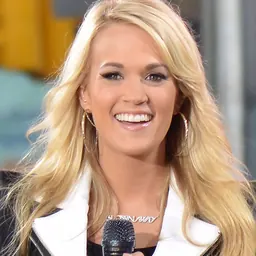
Cheyenne Frontier Days rodeo Singer Carrie Underwood and band Matchbox Twenty called off their concerts at the Cheyenne Frontier Days rodeo in 2006 and 2008, respectively, upon viewing Hindi's rodeo videos. SHARK sent to Matchbox Twenty video clips filmed in 2007 at Frontier Days, which showed the "contorted positions and twisted necks of roped animals". Hindi told the Associated Press in 2008, "We were watching for the lineup at Cheyenne, because if we found some people with a propensity toward animal care, we were going to get in touch with them." Matchbox Twenty cancelled their performance due to the animal abuse accusations, while Carrie Underwood did not explain why she called off her performance. United States District Court for the District of Wyoming Judge William F. Downes dismissed the lawsuit, ruling that it was filed in the wrong state. In 2008, Hindi created the website ShameOnCheyenne.com to condemn the Cheyenne Frontier Days and record animal mistreatment at the rodeo. the St. Charles, Illinois, City Council in May 2001 changed the city ordinance to ban people from employing electric prods in slides except when someone is in danger. In 2013, the Oregon Legislative Assembly banned horse tripping when used for amusement. Film from SHARK and The Humane Society of the United States was the impetus for the law, which punished violators with a jail sentence of six months or a $2,500 fine.
2013 traffic stop after the Big Loop Rodeo On May 19, 2013, Hindi attended the Jordan Valley, Oregon, Big Loop Rodeo to document animal abuse and was told by planners to leave the event. After Hindi left, his rental car was followed for 10 miles by two sheriff's deputies from Malheur County, Oregon, on orders from a lieutenant supervisor. Hindi filed a Freedom of Information Act for the officers' dashcam video. Having videotaped the officers' following him for ten miles and the subsequent traffic stop, Hindi obtained the officers' dash cam footage and uploaded everything to YouTube. Named the Tiger, the refurbished truck had a $150,000 price tag and was driven by Hindi to crowded places. In September 2001, South Elgin's Anderson Animal Shelter planned to euthanize cats who had been there for more than three months. Hindi joined shelter employees in protesting the decision at a board meeting, bringing his truck with video monitors that said "Let The Cats Live". The board unanimously reversed its earlier decision to euthanize the cats.
During the 2002 Winter Olympics, Hindi used the Tiger to protest the Olympic Command Performance Rodeo. He took the truck along the torch relay, following it for over 7,000 miles from Chicago, to the West Coast of the United States, to Salt Lake City. He drove it to other Olympic events to show film of animal cruelty at rodeos. In bright red, the truck's flashing signs said, "Cruelty is not in the Olympic Spirit", and the word "not" was struck out. 10,000 journalists attended the Olympics, and journalists from Germany, Japan, Korea, Norway, and Sweden interviewed Hindi about his truck. On February 26, 1993, Circuit County Associate Judge C. Andrew Hayton convicted Hindi of trespassing in the Waterfall Glen Forest Preserve on February 1. The judge levied a fine of $350 against Hindi and ordered him to stay away from the forest reserve for one year. Hindi and fellow coalition member Michael Durschmid Jr. said Hindi's conviction was incorrect because Durschmid, not Hindi, had been videotaping the deer killings in the forest. They said a ranger police officer chased Durschmid through the forest. The officer stopped the chase once he found Hindi outside the forest and arrested him. Hindi appealed Judge Hayton's conviction on the grounds that the judge neglected to tell him he could have selected a jury trial. Prosecutors admitted their oversight in a confession of error, a legal document, and an appeals court granted Hindi a new trial. In response, the county dropped the charges.
Beginning in April 1993, Hindi protested against Shedd Aquarium. In February 2012, Hindi's group used a MikroKopter drone to attempt to capture video of a pigeon shoot at a plantation near Ehrhardt, South Carolina.
In August 2013, Hindi videotaped and demonstrated against the selling of Labrador Retriever puppies from the rear cargo area of a pickup truck in a restaurant's parking lot. Stating that the parking lot pet sales entice impetuous purchasers, Hindi worried that the new puppy owners would be unready to give their pets adequate care. Pets would be discarded or sent to animal shelters. He said purchasers did not receive the puppies' healthcare records including information about vaccinations. Any issues that arose with the puppies could not be remedied, Hindi said. The purchasers bought the pets with cash so do not have documents confirming who sold them the puppies. Held annually, the 44-year-old event involves two to six participants wrestling a pig in a sodden enclosure and depositing the animal in a bucket. Hindi's colleague videotaped the event, which SHARK said showed "animal abuse, animal fighting and child neglect". In a 15-minute video from the group, a limping pig attempts to evade people who chase it. Other pigs in the video are pounced upon and released from a couple feet in the air, causing them to "run away squealing and panting". The video also showed pigs urinating and defecating in the wet dirt. Pig Rassling participants' bodies and faces, including children's, are smeared with the dirt. After the event, Hindi took the footage and $10,000 in "cold, hard cash" to Roman Catholic Diocese of Green Bay's office. At the diocesan chancery, he was unable to speak with Bishop David L. Ricken but spoke with the communications director. He promised to give the money to Ricken if Ricken, the parish priest, and the "Pig Rassling" organizers would act as a substitutes for the pigs during the event.
Hindi is the founder and president of SHARK, which he started in 1993. SHARK's YouTube channel had 40 rodeo videos that were pulled in December 2007 because of copyright complaints by the Professional Rodeo Cowboys Association and reinstated later in the month.
Don’t just read it —
keep it.
Full-length biographies made to live with: read them, listen on the way to work, watch them tonight.
- E-book
- Audio
- Video
Instant download · yours to keep · every purchase keeps this site free
Important facts
People in Steve Hindi's life
Named in this biography and alive at the same time




Related people
Same field, nearest in time


Contemporaries
People whose lives overlapped Steve Hindi's


Frequently asked questions
Who is Steve Hindi?
American activist and businessman
When was Steve Hindi born?
Steve Hindi was born in 1953.
What is Steve Hindi's occupation?
Steve Hindi is an aircraft pilot.
What nationality is Steve Hindi?
Steve Hindi is American.
Sources & further reading
Cite this page
APA: Biography.guide. (2026). Steve Hindi. https://biography.guide/steve-hindi/
MLA: "Steve Hindi." Biography.guide, https://biography.guide/steve-hindi/.
Chicago: "Steve Hindi." Biography.guide. https://biography.guide/steve-hindi/.
Data last updated: 2026-09-20 · Spot an error? Report a correction.
Page generated 2026-09-27 05:29 UTC