
Stephen of Lexington
English abbot
About Stephen of Lexington
Lived 1198 – 1258 (aged 59–60). Stephen of Lexington was a French catholic monk and regular priest.
Stephen of Lexington (or "de Lexington", "Lexinton", "Lessington") (born c. 1198, d. 21 March, probably in 1258), was an English Cistercian monk, abbot, and founder of a college in Paris.
Life Stephen came from a prominent family of royal officials and clerics. His father Richard was a royal judge; his brothers John Lexington and Robert of Lexinton were judges and royal officials, while his brother Henry of Lexington became Bishop of Lincoln.
Stephen was a disciple of Saint Edmund of Abingdon (1175-1240); supposedly he was one of seven students brought by an abbot to hear Edmund preach, all of whom "renounced the world". He became a Cistercian monk at Quarr Abbey on the Isle of Wight, but not long after was elected abbot of Stanley Abbey in Wiltshire, where he hosted visits from St. Edmund. In 1228 he was appointed visitor in Ireland, where he deposed several abbots, replacing them with English monks, and sending a number of monks to abbeys in France. In 1229, he was elected abbot of Savigny Abbey, a prominent Cistercian house, where he made many improvements.
In 1231, he visited Savigny's daughter houses in England and issued new regulations for them. In 1238 he reformed Redon Abbey by order of Pope Gregory IX. On his way to a papal council in 1241 he was saved from capture in a naval battle by the efforts of his brother John, who was on his way to the same council as a representative of King Henry III.
On 6 December 1243 he was elected abbot of Clairvaux Abbey, the abbey founded by Bernard in 1115 that was the ultimate parent of most of the Cistercian establishments. Stephen obtained permission from the pope in 1244 to found a Cistercian college in Paris, le Collège des Bernardins, and by 1247 had founded the Cistercian College of St. Bernard, with Alphonse, Count of Poitiers, King Louis IX's brother, as patron. John of Mirecourt, Konrad of Megenberg, and Pope Benedict XII were scholars there in the 14th century.
In 1250, he had the body of Aletha, mother of St. Bernard, moved to Clairvaux. He was removed from his position as abbot in 1255 in an internal political struggle within the order; Stephen had the support of Pope Alexander IV, but the order was supported by King Louis IX and Stephen retired to the Abbey of Orcamp near Noyon where he died on 21 March, perhaps in 1258.
Letters Stephen's letters during his visitation in Ireland were published in a Cistercian publication in 1946; an English translation was published by Cistercian Publications in 1982.
Don’t just read it —
keep it.
Full-length biographies made to live with: read them, listen on the way to work, watch them tonight.
- E-book
- Audio
- Video
Instant download · yours to keep · every purchase keeps this site free
Important facts
People in Stephen of Lexington's life
Named in this biography and alive at the same time

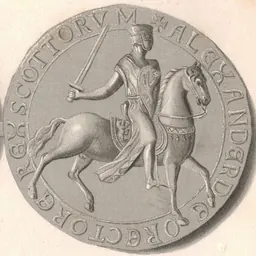



Related people
Same field, nearest in time


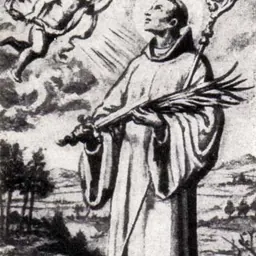

Contemporaries
People whose lives overlapped Stephen of Lexington's


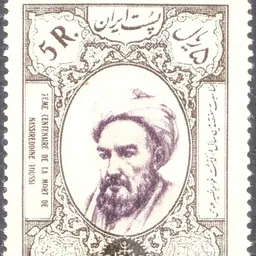
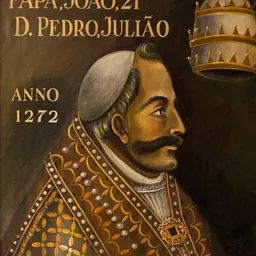
Frequently asked questions
Who was Stephen of Lexington?
English abbot
When was Stephen of Lexington born?
Stephen of Lexington was born in 1198.
When did Stephen of Lexington die?
Stephen of Lexington died on 21 March 1258 in Ourscamp Abbey.
What was Stephen of Lexington's occupation?
Stephen of Lexington was a catholic monk and regular priest.
What nationality was Stephen of Lexington?
Stephen of Lexington was French.
Sources & further reading
· Wikipedia: Stephen of Lexington
· DBpedia: Stephen of Lexington
Cite this page
APA: Biography.guide. (2026). Stephen of Lexington. https://biography.guide/stephen-of-lexington/
MLA: "Stephen of Lexington." Biography.guide, https://biography.guide/stephen-of-lexington/.
Chicago: "Stephen of Lexington." Biography.guide. https://biography.guide/stephen-of-lexington/.
Data last updated: 2026-09-20 · Spot an error? Report a correction.
Page generated 2026-09-27 05:17 UTC