
About Sitor Situmorang
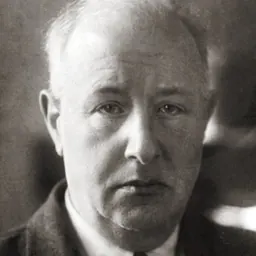
Lived 1924 – 2014 (aged 90). Sitor Situmorang was an Indonesian and Dutch poet, writer and journalist.
Sitor Situmorang (2 October 1924 – 21 December 2014) was an Indonesian poet, essayist and writer of short stories. Situmorang was born in Harianboho, North Sumatra, and educated in Jakarta. He worked as a journalist and literary critic in Medan, Yogyakarta and Jakarta for a variety of newspapers and periodicals.
Sitor was considered by Dutch scholar and critic of Indonesian literature A. Teeuw to be Indonesia's preeminent poet from Angkatan '45 (The Generation of '45) after the decease of Chairil Anwar. "His views were deeply influenced by French existentialism of the early fifties, and his poetic forms, as pointed by Subagio, display remarkable similarities with French symbolism (Subagio Sastrowardojo 1976)." Despite the European influence he is still deeply rooted in his Batak culture.
Early life
He was born in 1924 in North Tapanuli, North Sumatra and moved to Jakarta to study at AMS. After graduating from AMS, he went to the US to further study cinematography at the University of California (1956–57).
Career
He started his career as a journalist in North Sumatra at Suara Nasional (1945–1946) and Waspada (1947). He was assigned to Yogyakarta (1947–1948) and later worked for Berita Indonesia and Warta Dunia (1957). (2002, collection of poems).
He published Surat Kertas Hijau (Green Paper Letters) in 1954, a collection of poems, in which he expressed his emotional and intellectual crisis of love and national identity.
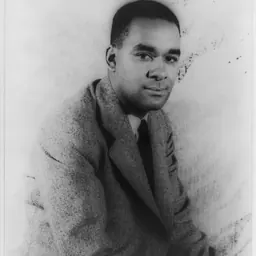
Since 1950, he was actively involved in cultural polemic, particularly on the shape and direction of Indonesia culture. He was one of African American author Richard Wright's contacts and interlocutors during Wright's trip to Indonesia for the Asian-African Conference in 1955. He became a prominent member of the Institute of National Culture (Lembaga Kebudayaan Nasional /LKN), which was closely tied to Sukarno, the President of Indonesia at the time. In 1967, following the fall of Sukarno in 1965, he was imprisoned and was not released until 1976, without any trial.
Selected works He won awards for his works: Pertempuran dan Salju di Paris (Struggle and Snow in Paris), (1956, collection of short stories) from Jakarta Arts Council and Peta Perjalanan (Travel Guide), (1976, collection of poems) from Badan Musawarat Kebudayaan Nasional and Rindu Kelana into English. His complete short stories have been translated and published in English in two volumes by Silkworm Books: Oceans of Longing: Nine Stories (2018) and Red Gerberas: Short Stories (2018).
Some of his poems, such as Surat Kertas Hijau, Kaliurang and La Ronde have been set to art song by Indonesian composer and pianist Ananda Sukarlan and now are popular among classical music vocalists.
Collections of poems Surat Kertas Hijau (Green Paper Letters), (1953) Dalam Sajak (In Poems), (1954) Wajah Tak Bernama (Face Without a Name), (1955) Zaman Baru (A New Era), (1962) Dinding Waktu (Wall of Time), (1977) Peta Perjalanan (Travel Guide), (1977) – Poetry Award from Jakarta Arts Council winner The Rites of the Bali Aga, (1977) Angin Danau (Lake Wind), 1982 Bunga di Atas Batu: Si Anak Hilang (Flowers on Stone: The Prodigal Son), 1989 Rindu Kelana (To Love, To Wander), 1993 – translated in 1996 by John McGlynn, The Lontar Foundation Paris La Nuit, 2000 Lembah Kekal (Eternal Valley), 2004 Biksu Tak Berjubah (Monk Without Cassock), 2004 Si Anak Hilang (The Lost Child)
Collections of short stories
Pertempuran dan Salju di Paris (Struggle and Snow in Paris), (1956) – winner of Hadiah Sastra Nasional BMKN Pangeran (The Prince),(1963) Danau Toba (The Lake Toba),(1981) Oceans of Longing: Nine Stories (Silkworm Books, 2018; translated by H. Aveling, K. Foulcher, and B. Roberts) Red Gerberas: Short Stories (Silkworm Books, 2018; translated by H. Aveling)
Other/related works
Jalan Mutiara (Road of Pearls, collection of plays), (1954) Sastra Revolusioner, essay collections (1965) Sitor Situmorang Sastrawan 45, Penyair Danau Toba, autobiography (1981) Toba na Sae (1993), local history Guru Somalaing dan Modigliani Utusan Raja Rom, (1993), local history. Betlehem (1954) by M. Nijhoff, translation Rindu Kelana (The Need to Wander), (2004) short documentary by Ed Pesta Sirait – The Lontar Foundation
Don’t just read it —
keep it.
Full-length biographies made to live with: read them, listen on the way to work, watch them tonight.
- E-book
- Audio
- Video
Instant download · yours to keep · every purchase keeps this site free
Important facts
People in Sitor Situmorang's life
Named in this biography and alive at the same time




Related people
Same field, nearest in time




Contemporaries
People whose lives overlapped Sitor Situmorang's

Frequently asked questions
Who was Sitor Situmorang?
Indonesian poet (1924–2014)
When was Sitor Situmorang born?
Sitor Situmorang was born on 2 October 1924 in Harian.
When did Sitor Situmorang die?
Sitor Situmorang died on 21 December 2014 in Apeldoorn, Apeldoorn.
What was Sitor Situmorang's occupation?
Sitor Situmorang was a poet, writer and journalist.
What nationality was Sitor Situmorang?
Sitor Situmorang was Indonesian and Dutch.
Sources & further reading
Cite this page
APA: Biography.guide. (2026). Sitor Situmorang. https://biography.guide/sitor-situmorang/
MLA: "Sitor Situmorang." Biography.guide, https://biography.guide/sitor-situmorang/.
Chicago: "Sitor Situmorang." Biography.guide. https://biography.guide/sitor-situmorang/.
Data last updated: 2026-09-20 · Spot an error? Report a correction.
Page generated 2026-09-27 05:31 UTC