
Sir Hardman Earle, 1st Baronet
Mayor of Liverpool
About Sir Hardman Earle, 1st Baronet
Lived 1792 – 1877 (aged 84). Sir Hardman Earle, 1st Baronet was a British.
Sir Hardman Earle, 1st Baronet (11 July 1792 – 25 January 1877) was a British businessman, railway director and slave owner.
Earle was a partner in several cotton trading enterprises and owned slaves in Antigua until slavery was abolished.
Sir Hardman was best known for his investment and business dealings in the railway industry, he was a director from the 1830s until his death, being primarily associated with the London and North Western Railway.
Early life Earle was born on 11 July 1792. He was the fourth son of the slave trader, Thomas Earle.
Earle attended school in Warrington before attending Charterhouse School, then located in Charterhouse Square, London.
Cotton trading and other business In 1812, Earle became a partner in a Liverpool cotton broking business, Salisbury Turner & Earle, where he was responsible for all cotton trading. In 1822 he joined the seed-crushing business of Earles & Carter as a partner, together with his older brother William Earle, this firm became Earles and King and was effectively the 'family business'.
Salisbury Turner & Earle was a founder member of the Liverpool Cotton Brokers' Association, now the International Cotton Association, and Earle served as president in 1849.
Earle was a founding director of Martins Bank which started trading as 'The Bank of Liverpool' in 1831. He was chairman of the board from 1858 to 1861. Slavery His family were steeped in the slave trade, his father, Thomas Earle, grandfather William Earle and great grandfather John Earle all having been slave traders.
In 1833, slave ownership was abolished in the British colonies and with the Slave Compensation Act 1837, the British Government compensated the owners who were forced to free enslaved people.
Hardman Earle was awarded £19,000, around £2.5m in 2020 money, in compensation; the former captives were not awarded anything. In 1869, he was awarded a baronetcy for his services to the Liberal Party.
Earlestown Earlestown in Newton-le-Willows is named after him, in 1853 the leased the Viaduct Foundry from Jones & Potts who had ceased trading in 1852, subsequently purchasing the site outright in 1860, it became the Earlestown wagon works.
In 1855 the works and the new town that sprang up next to it was named Earlestown in his honour as he had been instrumental in setting up the works.
Allerton Tower Earle bought part of the Allerton Hall estate and built a mansion called Allerton Tower. The mansion was of classic Italianate style, designed by Harvey Lonsdale Elmes, with a tower providing a view of the surrounding countryside, it was completed in 1849.
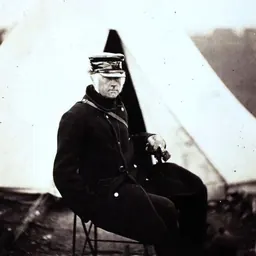
The tower was demolished in 1937. The lodge, stables, former laundry and part of the orangery remain. Thomas Earle (1820–1900) who succeeded to the title as Sir Thomas Earle, 2nd Baronet, and was a Justice of the peace (JP) and Deputy lieutenant for Lancashire and a JP for Liverpool; he married in 1853 Emily Fletcher, daughter of William Fletcher, banker of Liverpool, and left eight sons and three daughters, including the future line of baronets. Mary Earle, died in infancy in 1821. Hardman Earle junior (1825–1853) who died at sea aged 28, married the daughter of a 'Brazilian merchant', Elizabeth Earle (1826–1905), remained unmarried Emily Earle (1827–1914), married Hugh Perkins a wool broker, Harriet Earle (1829–1913), married Archibold Tod a share broker, Georgina Earle (1830–1908), married Hugh Longueville Jones a fundholder and JP, Caroline Earle (1833–1875), married a brother of the same Brazilian merchant's daughter that her brother Hardman junior had married, William Earle (1834–1885), who became a Major General, married Mary the daughter of General Sir William John Codrington Arthur Earle (1839–1919), married the daughter of a merchant and diplomat.
Mary died in 1850 aged 52; Hardman died on 25 January 1877. Both were buried at St Peter's Church, Woolton, Liverpool.
Sir Hardman frequently made time for sport, he was well known for riding with the Cheshire hounds almost until his death. He was a founding player at Liverpool Cricket Club, he also leased part of his grounds to the club from 1845 to 1880.
Don’t just read it —
keep it.
Full-length biographies made to live with: read them, listen on the way to work, watch them tonight.
- E-book
- Audio
- Video
Instant download · yours to keep · every purchase keeps this site free
Important facts
People in Sir Hardman Earle, 1st Baronet's life
Named in this biography and alive at the same time




Contemporaries
People whose lives overlapped Sir Hardman Earle, 1st Baronet's



Frequently asked questions
Who was Sir Hardman Earle, 1st Baronet?
Mayor of Liverpool (1792–1877)
When was Sir Hardman Earle, 1st Baronet born?
Sir Hardman Earle, 1st Baronet was born on 11 July 1792.
When did Sir Hardman Earle, 1st Baronet die?
Sir Hardman Earle, 1st Baronet died on 25 January 1877.
What nationality was Sir Hardman Earle, 1st Baronet?
Sir Hardman Earle, 1st Baronet was British.
Sources & further reading
· Wikipedia: Sir Hardman Earle, 1st Baronet
Cite this page
APA: Biography.guide. (2026). Sir Hardman Earle, 1st Baronet. https://biography.guide/sir-hardman-earle-1st-baronet/
MLA: "Sir Hardman Earle, 1st Baronet." Biography.guide, https://biography.guide/sir-hardman-earle-1st-baronet/.
Chicago: "Sir Hardman Earle, 1st Baronet." Biography.guide. https://biography.guide/sir-hardman-earle-1st-baronet/.
Data last updated: 2026-09-25 · Spot an error? Report a correction.
Page generated 2026-09-27 05:12 UTC