
About Shu Hongbing
Born 1967. Shu Hongbing is a Chinese biologist.
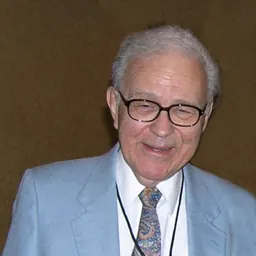
Shu Hongbing (; born January 1967) is a Chinese cytologist and immunologist. He became a member of the Chinese Academy of Sciences in 2011 and TWAS in 2012. Shu is mainly known for his work on cell signal transduction related to immunity.
Life Shu Hongbing was born to a poor rural family in Rongchang County, Chongqing. His mother died when he was 9 years old. When Shu entered senior high school, he failed the chemistry exam, and did not know any English. After graduating in 1987, Shu entered the Chinese Academy of Medical Sciences Basic Medical Institute Cell Laboratory, where he obtained his master's degree three years later.
In 1990, Shu went to the United States and worked as a research assistant at the University of Michigan Medical Center. In 1992, he became a postgraduate student at Emory University, where he earned his Ph.D. within 3 years. In 1999 Shu became a Changjiang scholar and part-time professor at Peking University School of Life Sciences. At the end of 2004, Wuhan University College of Life Sciences employed him as the dean. In December 2011, he was elected as a member of the Chinese Academy of Sciences. In September 2013, he was appointed as a vice-president of Wuhan University. In 2015, Dr. Shu was given a Mid-Career Mentoring in Science Award by the well-known journal Nature.
Research In 1999, Shu's team studied downstream signaling by TRAIL receptors. They discovered that a signaling cascade can mediate TRAIL-induced NF-κB activation, and TRAIL-induced apoptosis cannot be blocked by it. In 2000, he and his colleagues showed that FADD, Casper (caspase-8-related protein), and caspase-8 play important roles in NF-kappaB activation pathways. In 2002 they used two-hybrid screening to identify BAFF-R-associated downstream proteins, showing that TRAF3 can inhibit BAFF-R-mediated NF-kappaB activation and IL-10 production. They also cloned and identified a novel AIF-homologous molecule called AMID, which can lead the way to caspase-independent apoptosis.
In 2005, his team identified a novel molecule that serves as a signal transfer station. Previously in 2003, a Japanese team had already demonstrated several genes involved in NF-kappaB activation. Shu's team discovered that over-expression of one of these genes had a strong effect on IRF3 activation. Through a series of experiments, they discovered that the product of this gene greatly influences TLR3-independent IFN-β signaling. It was named VISA (virus-induced signaling adaptor). It can also interact with TRIF and TRAF6, and plays an essential role in virus-triggered TLR3-independent and TLR3-mediated antiviral IFN signaling. In 2008 they discovered another adaptor protein, MITA, through expression cloning. MITA is related to VISA, and has the ability to mediate virus-triggered IRF3 activation and IFN expression. Their later studies showed that by ubiquitination and degradation of MITA, E3 ubiquitin ligase RNF5 can negatively regulate cellular antiviral signaling.
In Shu's lab they also showed that SIKE, a physiological suppressor of IKK epsilon and TBK1, can inhibit virus and TLR3-triggered IRF-3 activation; that RBCK1, a ubiquitin ligase, negatively regulates TNF and IL-1 triggered inflammatory signaling; that DAK, a dihydroacetone kinase, can inhibit MDA5; and that ISG56 (IFN-stimulated gene 56) is related to VSV replication, and negatively mediates virus-triggered induction of type I IFNs.
Don’t just read it —
keep it.
Full-length biographies made to live with: read them, listen on the way to work, watch them tonight.
- E-book
- Audio
- Video
Instant download · yours to keep · every purchase keeps this site free
Important facts
Family & relationships
Related people
Same field, nearest in time

Contemporaries
People whose lives overlapped Shu Hongbing's




Frequently asked questions
Who is Shu Hongbing?
Chinese immunologist
When was Shu Hongbing born?
Shu Hongbing was born in 1967 in Rongchang District.
What is Shu Hongbing's occupation?
Shu Hongbing is a biologist.
What nationality is Shu Hongbing?
Shu Hongbing is Chinese.
Sources & further reading
Cite this page
APA: Biography.guide. (2026). Shu Hongbing. https://biography.guide/shu-hongbing/
MLA: "Shu Hongbing." Biography.guide, https://biography.guide/shu-hongbing/.
Chicago: "Shu Hongbing." Biography.guide. https://biography.guide/shu-hongbing/.
Data last updated: 2026-09-20 · Spot an error? Report a correction.
Page generated 2026-09-27 05:05 UTC