
About Shinpei Nakayama
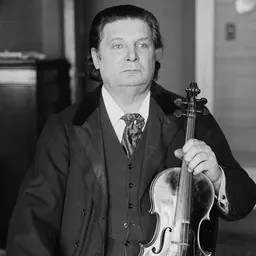
Lived 1887 – 1952 (aged 65). Shinpei Nakayama was a Japanese composer, musicologist and songwriter.
was a Japanese songwriter famous for his many children's songs (warabe uta) and popular songs (ryūkōka) that have become deeply embedded in Japanese popular culture.
Early life Nakayama was born in 1887 in Nakano City, Nagano Prefecture. His father died when he was very young, so he and his siblings were raised by his mother Zō, who often took in washing and sewing to make ends meet.
Nakayama was first interested in music when he attended Nakano Elementary School, where he and his classmates would sing to the accompaniment of a small organ (what he called a "baby organ"). The songs they sang included popular military marches from the First Sino-Japanese War (1894–95). At one point, a small brass band sponsored by the Salvation Army came to his town to play, and Nakayama remembers being smitten by the sound. His classmates remember him as an accomplished player of the Japanese transverse flute who would often play during Obon and other festivals at the local Shinto shrines and Buddhist temple.
When Shimpei graduated from elementary school, he took the required examinations and became a substitute elementary school teacher. His dream was to become a music teacher, which required him to go to school in Tokyo. He moved there in 1905, where he became a household servant for Shimamura Hōgetsu, an English literature professor at Waseda University.
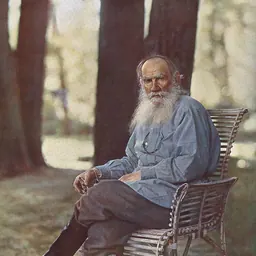
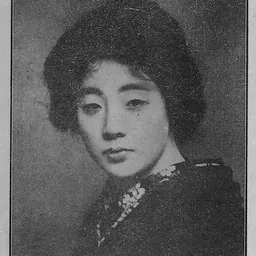
Career In 1914, Nakayama composed the song "" for a dramatization of Leo Tolstoy's 1899 novel Resurrection. The song, sung by actress Sumako Matsui, was a massive hit and Nakayama became famous almost overnight. Today, this song is considered one of the earliest examples of modern Japanese popular music.
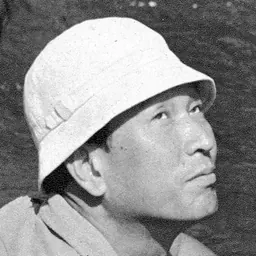
In 1915, Nakayama released the romantic ballad "", which was featured prominently in Akira Kurosawa's 1952 film Ikiru.
In the 1930s, his song "Tokyo ondo" became a great countrywide hit. Today, it is also known as the theme song of baseball team Tokyo Yakult Swallows.
Nakayama's most famous children's songs (warabe uta) include "", "", "Amefuri", "Ano machi kono machi" and "Sekurabe", among others.
Don’t just read it —
keep it.
Full-length biographies made to live with: read them, listen on the way to work, watch them tonight.
- E-book
- Audio
- Video
Instant download · yours to keep · every purchase keeps this site free
Important facts
People in Shinpei Nakayama's life
Named in this biography and alive at the same time
Related people
Same field, nearest in time




Contemporaries
People whose lives overlapped Shinpei Nakayama's





Frequently asked questions
Who was Shinpei Nakayama?
Japanese composer (1887-1952)
When was Shinpei Nakayama born?
Shinpei Nakayama was born on 22 March 1887 in Hino.
When did Shinpei Nakayama die?
Shinpei Nakayama died on 30 December 1952 in International University Of Health And Welfare Atami Hospital.
What was Shinpei Nakayama's occupation?
Shinpei Nakayama was a composer, musicologist and songwriter.
What nationality was Shinpei Nakayama?
Shinpei Nakayama was Japanese.
Sources & further reading
Cite this page
APA: Biography.guide. (2026). Shinpei Nakayama. https://biography.guide/shinpei-nakayama/
MLA: "Shinpei Nakayama." Biography.guide, https://biography.guide/shinpei-nakayama/.
Chicago: "Shinpei Nakayama." Biography.guide. https://biography.guide/shinpei-nakayama/.
Data last updated: 2026-09-20 · Spot an error? Report a correction.
Page generated 2026-09-27 05:32 UTC