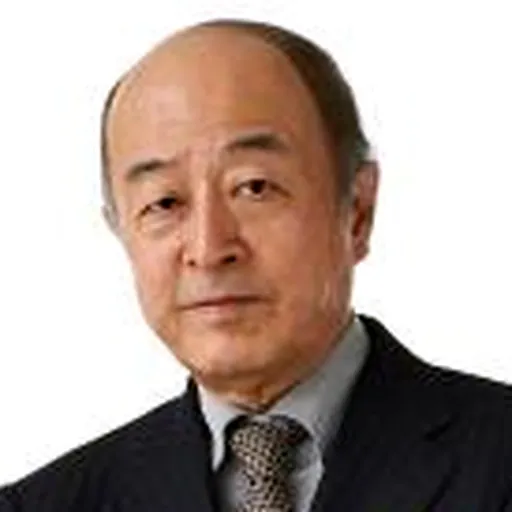
About Shinichiro Ikebe
Born 1943. Shinichiro Ikebe is a Japanese composer, clarinetist, musicologist and film score composer.
Shin'ichirō Ikebe ( Ikebe Shin'ichirō; born September 15, 1943, in Mito, Ibaraki) is a Japanese composer of contemporary classical music.
Overviews He has written the scores for many films by Akira Kurosawa and other Japanese film directors, including Kagemusha (1980), MacArthur's Children (1984), Kurosawa's Dreams (1990), Rhapsody in August (1991), Madadayo (1993), and Warm Water Under a Red Bridge (2001).
Biography He studied composition with Tomojirō Ikenouchi, Akio Yashiro, and Akira Miyoshi at the Tokyo National University of Fine Arts and Music, obtaining a master's degree in 1971. He serves as a professor at the Tokyo College of Music. He had several awards up to 2004, such as Excellence at the Salzburg TV Opera, The Italian Broadcasting Corporation, that is, RAI, The International Emmy Award, the Otaka Award, Broadcasting Culture Award, Yoshio Sagawa incentive Award, Medal with Purple Ribbon.
Selected works Symphony no. 3 Symphony no. 5 "Simplex" Music to "Kagemusha" War song Spirit in the fields Sanshuu Road Dreams
List of works
Symphonies Symphony No. 1, 1967 Petite symphonie, 1969 (rev. 1973) Symphony No. 2 "Trias", 1979 Symphony No. 3 "Ego phano", 1984 Symphony No. 4, 1990 Symphony No. 5 "Simplex", 1990 Symphony No. 6 "On the Individual Coordinates", 1993 Symphony No. 7 "To the Sympathy for a Drip", 1999 Symphony No. 8 "The Earth/Prayer", 2013 Symphony No. 9 for soprano, baritone and orchestra, 2013 Symphony No. 10 "For the Coming Era", 2015
Orchestral works Movement for Orchestra, 1964 Construction, two pieces for orchestra, 1966 Energeia for 60 musicians, 1970 Haru-no-umi for Orchestra, 1980 Elegiac Lines for strings, 1982 Imagine for orchestra, 1983 Overture for the Time of Flying Star, 1984 Overture for the Coming of the New Spring, paraphrase of Antonio Vivaldi and homage to Maurice Ravel, 1986 Mandolin Mandoriale for mandolin orchestra, 1986 Overture or Nile, 1988 Overture "Mito", 1989 River/Shout, symphonic piece, 1988 Fantasy of Kyushu, symphonic piece, 1989 Spontaneous Ignition for orchestra, 1989 Overture for the song lovers, 1990 Hokkai, symphonic piece, 1992 Fantasy of Ryukyu, symphonic piece, 1993 Mountain/Fragrant, symphonic piece, 1994 The Glossy-Leaved Forest for strings, 1995 Les bois tristes for orchestra, 1998 The Echo of K Ai for orchestra, 1999 Saka-Sakasa-Kasa, march concertante, 2000–02 Prelude for Celebration, 2000 The Origin of Water for orchestra, 2001 Fanfare for the Tokyo Symphony Orchestra, 2002 Fan-Faring for orchestra and mixed choir, 2002 The Chronicle of 3776 Meters for orchestra, 2003 After the Dreams, 2003 Tanada I for orchestra, 2004 The Warmth in Your Home for orchestra, 2004 Falling Particles of... for chamber orchestra, 2005 Nakatsugawa, 2005 Ouju Gaga for gagaku, 2009 Perennial Prelude, 2010 Prelude for the Next Times, 2011
Works for wind ensemble I hear the piano... Amadeus for two wind groups and organ, 1983 Landscape for wind ensemble, 1989 The Times of Quickening for wind ensemble, 1999 Fanfare for the Coming Era for brass octet, 2015
Concertante works Piano Concerto No. 1, 1967 Dimorphism for organ and orchestra, 1974 Quadrants for Japanese instruments and orchestra, 1974 Violin Concerto, 1981 Echigo-Jishi for sangen (shamisen) and orchestra, 1983 Piano Concerto No. 2, 1987 Cello Concerto "Almost a tree", 1996 Bassoon Concerto "The License of Blaze", 1999-2004 Flute Concerto "Sitting on a Sand, Face to Face", 2003 Sangen (Shamisen) Concerto "As a Shade Tree", 2005 Mandolin Mandoriale 2 for mandolin orchestra, 2006 Harp Concerto "Luminescence on Ice", 2007 Piano Concerto (for left hand) No. 3 "To a West Wind", 2013
Operas, cantatas and musicals The Death Goddess, opera, 1971 A Red Shoes, musical drama, 1975 The Silence, musical drama for radio, 1977 The Adventure of Pinocchio, musical, 1981 On ne badine pas avec l'amour, musical, 1982 Hoichi, the earless, opera, 1982 Never ending story, musical, 1984 Taro in the Wonder Woods, musical, 1985 The Window, musical drama, 1986 Chichibu-Bansho, opera, 1988 Carmen, Capriccio Based on Georges Bizet, 1989 For a Beautiful Star, cantata, 1990 Watatsumi no iroko no miya, cantata, 1990 Shin, Zen, Bi, cantata, 1994 Oshichi, opera, 1995 The Down/Ocean, Mountain, Rivers and Human Beings, cantata, 1996 Dugong's Lullaby, opera, 1996 Freezing Field... Glaring, cantata, 1996 Yobikawasu sanga, oratorio, 2001 Takagami, opera, 2001 The forrests are living, musical, 2003 Kotsuru, opera, 2003 Onihachi, opera, 2004 Sagan Rhapsody, 2004 The Path of Spiritual Growth, cantata, 2006 Cursor, musical, 2007 The Bridge, cantata, 2007 Umi yo. haha yo, cantata, 2008 Rokumeikan (鹿鳴館), opera, 2010, premiered by the New National Theatre Tokyo in 2010
Ballets and dance music Kusabi, dance music, 1972 Creature, ballet, 1974 Oshichi, She Is in the Flame, dance music, 1978 Takeru, dance music, 1979 Cleopatra—Her Love and Death, ballet, 1983 Mobile et Immobile, ballet, 1984 Mizu-kuguru monogatari, dance music, 1984 To-to taru, ichiitai-sui, ballet, 1986 For the Earth, dance music, 1989
Film scores Vengeance is Mine (director: Shōhei Imamura, 1979) Kagemusha (director: Akira Kurosawa, 1980) Himeyuri no Tō (director: Tadashi Imai, 1982) The Ballad of Narayama (director: Shōhei Imamura, 1983) Okinawan Boys (director: Taku Shinjō, 1983) MacArthur's Children (director: Masahiro Shinoda, 1984) Gray Sunset (director: Shunya Itō, 1985) Dreams (director: Akira Kurosawa, 1990) Takeshi - Childhood Days (director: Masahiro Shinoda, 1990) Rhapsody in August (director: Akira Kurosawa, 1991) Madadayo (director: Akira Kurosawa, 1993) The Eel (director: Shōhei Imamura, 1997) Colorful (director: Shun Nakahara, 2000) Spy Sorge (director: Masahiro Shinoda, 2003) The Milkwoman (director: Akira Ogata, 2005) Baruto no Gakuen (director: Masanobu Deme, 2006) Glory to the Filmmaker! (director: Takeshi Kitano, 2007)
Television scores Future Boy Conan (director: Hayao Miyazaki, 1978)
Honours Medal with Purple Ribbon (2004) Person of Cultural Merit (2018)
Don’t just read it —
keep it.
Full-length biographies made to live with: read them, listen on the way to work, watch them tonight.
- E-book
- Audio
- Video
Instant download · yours to keep · every purchase keeps this site free
Important facts
People in Shinichiro Ikebe's life
Named in this biography and alive at the same time


Related people
Same field, nearest in time

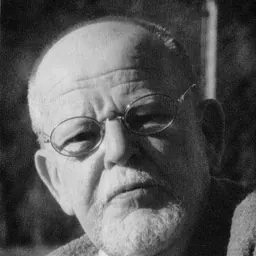

Contemporaries
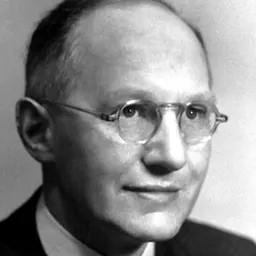
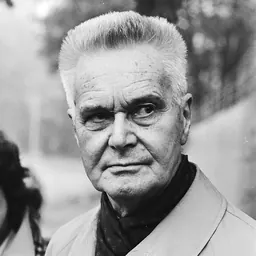
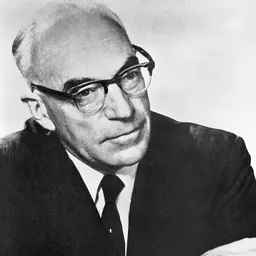
People whose lives overlapped Shinichiro Ikebe's


Frequently asked questions
Who is Shinichiro Ikebe?
Japanese composer
When was Shinichiro Ikebe born?
Shinichiro Ikebe was born on 15 September 1943 in Mito.
What is Shinichiro Ikebe's occupation?
Shinichiro Ikebe is a composer, clarinetist, musicologist and film score composer.
What nationality is Shinichiro Ikebe?
Shinichiro Ikebe is Japanese.
Sources & further reading
Cite this page
APA: Biography.guide. (2026). Shinichiro Ikebe. https://biography.guide/shinichiro-ikebe/
MLA: "Shinichiro Ikebe." Biography.guide, https://biography.guide/shinichiro-ikebe/.
Chicago: "Shinichiro Ikebe." Biography.guide. https://biography.guide/shinichiro-ikebe/.
Data last updated: 2026-09-22 · Spot an error? Report a correction.
Portrait: Wikimedia Commons · author & licence
Page generated 2026-09-27 05:02 UTC