
About Şeyh Muslihiddin
Lived 1502 – 1574 (aged 71–72). Şeyh Muslihiddin was a Turkish translator and writer.
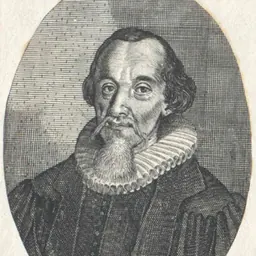
Şeyh Muslihiddin Nureddinzade (1502–1574) was a Sufi saint and scholar of the Ottoman Empire who belonged to the Khalvati order. He was born near the city of Plovdiv in Ottoman Bulgaria. He went to Istanbul after being initiated as a Sufi, and gained many prominent followers, including grand vizier Sokollu Mehmed Pasha, Sultan Suleiman the Magnificent and Aziz Mahmud Hudayi, among others. He was very influential in getting Sultan Suleiman to join the campaign for the Siege of Szigetvár. He died a few years later and was buried in Edirnekapı, but his grave was lost forever during the construction of the Edirnekapı Martyr's Cemetery.
Life and career According to Ottoman chronicler , Mustafa Muslihuddin was born in 1502 in Anbarlı village (now Zhitnitsa, Plovdiv Province), located near the city of Filibe in Ottoman Bulgaria. His father was Nureddin Ahmed Efendi, who is said to have been a Sayyid (a descendant of prophet Muhammad). Mustafa was therefore known by the nisba (toponyms/patronym) of el-Filibevi, el-Konstantini, er-Rumi and Nureddinzade. He was tutored by Mehmed Efendi, also known as Mîrim Kösesi, an Anatolian kazasker (chief judge). He received his education in Edirne, probably during the 1520s.
Mustafa then became a student of in Sofia. After finishing his (Sufi journey), Mustafa was sent to Tatarpazarı (now Pazardzhik) as a Sheikh,
In Istanbul, Mustafa was hosted by the imam of the Zeyrek Mosque. He attended the discourses on tafsir (Quranic exegesis) given by Ebussuud Efendi after every week’s Friday prayers. An explanation given by Mustafa during a discussion was noticed by Ebussuud, who asked him about his background. When he came to know about the accusations against Mustafa, Ebussuud talked to the grand vizier and had the charges retracted. Mustafa later met the grand vizier himself, who was impressed by him. Heeding the advice of the grand vizier, he brought his family to Istanbul and was appointed as the sheikh of the Sufi lodge at the Küçük Ayasofya Mosque (the Little Hagia Sophia). Şeyh Muslihiddin held this appointment till his death. Aziz Mahmud Hudayi, another Ottoman Sufi, attended his talks as a student. He was also followed by many powerful people, chief among them Sultan Suleiman the Magnificent and grand vizier Sokollu Mehmed Pasha.
Başından En'am suresine kadar Kur'an tefsiri (The interpretation of the Qur'an from the beginning till the Surah An'am). Şerhü'n-Nüsûs li Sadreddin Konevî (A Commentary on the Nusus (laws) of Sadreddin Konevi). Menâzilü's-Sâirin Tercümesi (A Translation of the Menâzilü's-Sâirin by Abdullah Ansari). Risâletü'l-Mi'râci'n-Nebi aleyhisselam (Risalah (treatise) on the ascension to heaven of Prophet Muhammad). Risâle-i Vahdet-i Vücûd (Risalah on the Wahdat al-wujūd, or the Unity of Being). Fezailu'l-jihad (The virtue of jihad). Makale fi'l-avâlimi'l-külliyye (Article on the subject of the whole). Şerḥu'l-Vâridât: Risâle fî îżâḥi ma vaḳaʿa fi's-sırri'lleẕî ebânehû Maḥmûd es-Simâvî (A Commentary on Varidat. Risalah explaining, in detail, the case of the secret or whispered interpretation of Mahmud Simavi). A critical commentary on Sheikh Bedreddin's work. Tercüme-i Fıkhü'l-Keydânî (Translation of the Fıkhü'l-Keydânî by Lutfullah en-Nasafi el-Keydânî). Fukarâya Nasîhat (Advice to the Poor). Tafsir (exegesis) of the Al-Qadr, Al-Asr and Al-Ikhlas chapters of the Quran. Hakikatü’l-Hakaik fî Keşfi Esrâri’d-Dekâ’ik (The truth of truth according to the Keşfi Esrâr by Rashiduddin Meybudi). This work was, however, not written by Şeyh Muslihiddin but by . Risâle fi rüyeti Mustafa b. Nureddin fi menâmihî Resûllüllah (s.a.v.) (Risalah by Mustafa son of Nureddin on his vision of the name of the Prophet (PBUH)). Lailahe İllallah, Allah, Hû, Hakk, Hayy, Kayyûm, Kahhâr ism-i şerifleriyle zikir usulü hakkında Risâle (Risalah about the methods of dhikr with the honorable names of Lailahe Illallah, Allah, Hu, Hakk, Hayy, Kayyum, Kahhar). Risale-i Müteallika fi’l-hukmi ve’l-mahkûm (Risalah on the mutuality of the judge and the condemned). Other works attributed to Şeyh Muslihiddin are the Risale-i Vakıa (Risalah on facts) and the Tercüme-i Keşfi’l-Umur (translation of the Keşfi’l-Umur). A commentary on the first 40 verses of the Al-Fatiha and Al-Baqara chapters of the Quran is often attributed to Şeyh Muslihiddin, however, this commentary was written by Jami. A commentary on the Qasidat al-Burda by Al-Busiri is also attributed to Şeyh Muslihiddin, but it was written by Muhyiddin Kocevi. Şeyh Muslihiddin had, however, written a commentary on which was in the possession of Muhyiddin Kocevi; which could have caused this misattribution. The Risâle fi’t-tasavvuf (Risalah on Sufism), which expounds on how a sultan should rule, is often attributed to Şeyh Muslihiddin.
Don’t just read it —
keep it.
Full-length biographies made to live with: read them, listen on the way to work, watch them tonight.
- E-book
- Audio
- Video
Instant download · yours to keep · every purchase keeps this site free
Important facts
People in Şeyh Muslihiddin's life
Named in this biography and alive at the same time

Related people
Same field, nearest in time

Contemporaries
People whose lives overlapped Şeyh Muslihiddin's






Frequently asked questions
Who was Şeyh Muslihiddin?
ottoman Sufi saint and scholar (1502 – 1574)
When was Şeyh Muslihiddin born?
Şeyh Muslihiddin was born in 1502.
When did Şeyh Muslihiddin die?
Şeyh Muslihiddin died on 3 March 1574.
What was Şeyh Muslihiddin's occupation?
Şeyh Muslihiddin was a translator and writer.
What nationality was Şeyh Muslihiddin?
Şeyh Muslihiddin was Turkish.
Sources & further reading
Cite this page
APA: Biography.guide. (2026). Şeyh Muslihiddin. https://biography.guide/seyh-muslihiddin/
MLA: "Şeyh Muslihiddin." Biography.guide, https://biography.guide/seyh-muslihiddin/.
Chicago: "Şeyh Muslihiddin." Biography.guide. https://biography.guide/seyh-muslihiddin/.
Data last updated: 2026-09-20 · Spot an error? Report a correction.
Page generated 2026-09-27 05:14 UTC