
About Setsuya Beppu
Lived 1904 – 1992 (aged 87). Setsuya Beppu was a Japanese diplomat.
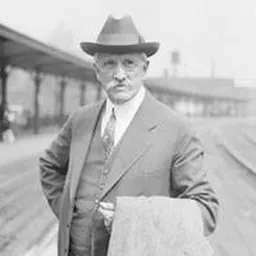
Setsuya Beppu ( or , 4 March 1904 - 17 May 1992 ), also known as Kiyoshi Beppu , was a Japanese diplomat who served as the first Japanese Consul in Dublin during the World War II. He also served as the first Japanese Ambassador Extraordinary and Plenipotentiary to both Laos and Vatican City.
Early life Beppu was born on 4 March 1904 in Kōchi Prefecture in Japan as Kiyoshi Beppu. He graduated from the Faculty of Law at Tokyo Imperial University in 1926.
Career
Early career Beppu started working for the Ministry of Foreign Affairs in March 1926 as a British embassy clerk . He was appointed as the vice-consul in London in December 1927, and the attaché to Belgium in April 1929. His brother-in-law Shunsuke Naruse was also a diplomat, and he died in Iran in 1929.
Beppu was assigned to the First Asian Division at the Ministry of Foreign Affairs from June 1931. On 25 August 1932 he officially changed his name from Kiyoshi to Setsuya. He became the official in the First Asian Division at the Ministry of Foreign Affairs in May 1933. In December 1933, he was appointed as the third secretary for the Shanghai legation in the Republic of China. In May 1935 he was promoted to the third secretary for the Japanese Embassy to China. From December 1935, he was assigned to the Second European and Asian Division at the Ministry of Foreign Affairs, and in March 1936 he became the diplomatic official at the First Division of the Cultural Affairs Department.
Britain and Ireland during World War II Beppu became the Consul of Liverpool in January 1939 at the age of 35. He became the second secretary for the legation of Switzerland (with Norway and Denmark) in January 1940. In June 1940, he was appointed as the second secretary for the Embassy of Japan and Consul in Liverpool, and in December the first secretary for the Embassy of Japan and Consul.
In 1940, Beppu, as a Japanese Consul in Liverpool, rented a private house and opened a consulate in Dublin in the Irish Free State. He "maintained an extremely low profile during the war" in Dublin. The Embassy of Japan in London was closed after the beginning of the war, and it is assumed that the Dublin consulate would have been responsible for helping and evacuating Japanese citizens in the United Kingdom to Ireland if the United Kingdom had broken off diplomatic relations with Japan and they had been subject to danger, which did not happen. In May 1943, Beppu was officially appointed as the Consul-General of Dublin.
Beppu was involved in the diplomatic negotiation for the termination of the war between Japan and the allies of World War II. On 2 August 1945, he met Robert Brennan, the Irish Free State's first minister to the United States, and heard from him about the United States Under Secretary of State Joseph Grew's remark hinting that the war would end soon when the Japanese people wanted it. On 8 August, he telegrammed this information to Japan.
After the defeat of the war, Beppu had sabotaged the request from the allies to hand over the consulate's assets and documents to them for three years "with the tacit support of the government of Ireland". In 1946, he was officially dismissed by the Allied Command because he did not follow its order. He returned to Japan in 1948, and was tried by the Supreme Commander for the Allied Powers (SCAP).
After WWII On 10 April 1959, he was appointed as the first Japanese Ambassador Extraordinary and Plenipotentiary to Laos: before him, the Japanese ambassadorship to Laos had been held by the ambassadors of Japan to Thailand. He was appointed as the Japanese Ambassador Extraordinary and Plenipotentiary to Vatican City in 1962. He served as the president of the Japan Institute of International Affairs from May 1965 to April 1968. He also worked as a translator around the 1960s: he translated Abe Fortas's Concerning Dissent and Civil Disobedience into Japanese in 1970. He died of myocardial infarction on 17 May 1992. Ryōtarō Shiba referred to him as a "besieged soldier under the war" in On the Highways: Travel in Ireland II . October 1929 - Senior Seventh Rank June 1930 - Order of the Crown, Chevalier (Belgium) June 1935 - Junior Sixth Rank February 1940 - Fifth Class January 1945 - Senior Fifth Rank 1974 - The Order of the Rising Sun, Gold and Silver Star (2nd class)
Don’t just read it —
keep it.
Full-length biographies made to live with: read them, listen on the way to work, watch them tonight.
- E-book
- Audio
- Video
Instant download · yours to keep · every purchase keeps this site free
Important facts
People in Setsuya Beppu's life
Named in this biography and alive at the same time


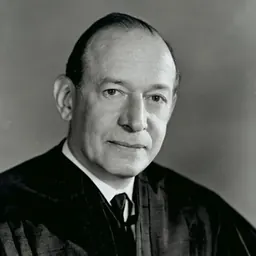
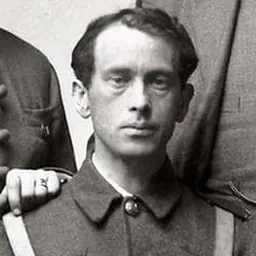
Related people
Same field, nearest in time
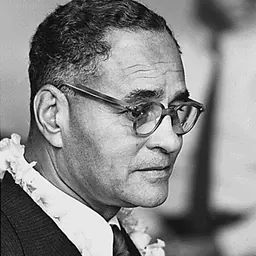
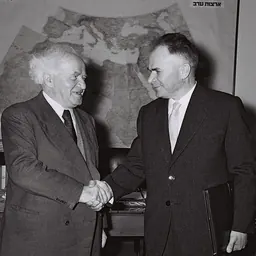

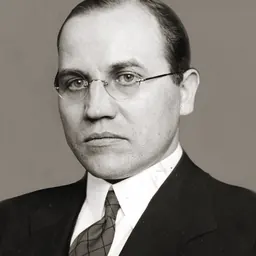
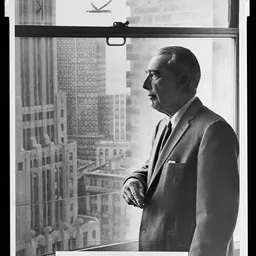
Contemporaries
People whose lives overlapped Setsuya Beppu's
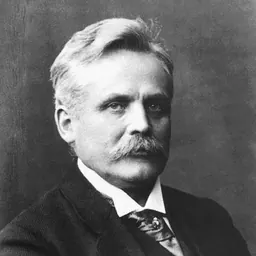
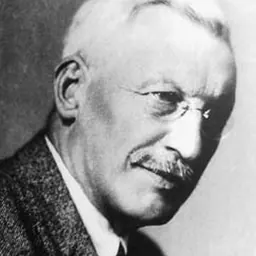


Frequently asked questions
Who was Setsuya Beppu?
Japanese diplomat (1904–1992)
When was Setsuya Beppu born?
Setsuya Beppu was born on 3 August 1904.
When did Setsuya Beppu die?
Setsuya Beppu died on 17 May 1992.
What was Setsuya Beppu's occupation?
Setsuya Beppu was a diplomat.
What nationality was Setsuya Beppu?
Setsuya Beppu was Japanese.
Sources & further reading
Cite this page
APA: Biography.guide. (2026). Setsuya Beppu. https://biography.guide/setsuya-beppu/
MLA: "Setsuya Beppu." Biography.guide, https://biography.guide/setsuya-beppu/.
Chicago: "Setsuya Beppu." Biography.guide. https://biography.guide/setsuya-beppu/.
Data last updated: 2026-09-20 · Spot an error? Report a correction.
Page generated 2026-09-27 05:23 UTC