
About Samsu-Ditana
Lived 1700 BC – 1600 BC. Samsu-Ditana was a sovereign.
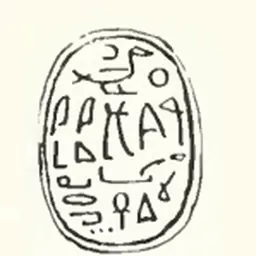
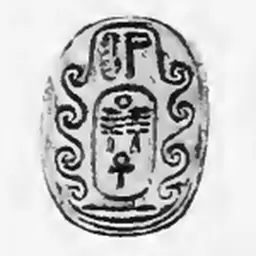
Samsu-ditāna, inscribed phonetically in cuneiform sa-am-su-di-ta-na in the seals of his servants (died 1595 BC), the 11th and last king of the Amorite or First Dynasty of Babylon, reigned for 31 years, 1626 – 1595 BC (Middle Chronology), 1617-1587 BC (Low Middle Chronology), or 1562 – 1531 BC (Short Chronology). Samsu-Ditana was the son and successor of Ammi-Saduqa. His reign is best known for its termination with the sudden fall of Babylon at the hands of the Hittites.
History He was the great great great grandson of Hammurabi and, although the Babylonian kingdom had shrunk considerably since its peak under this illustrious ancestor, it still extended north from Babylon and the Euphrates River to Mari and Terqa. For the most part, he appears to have been non-belligerent and content to stay at home at the seat of his kingdom as none of his year names describe the waging of war or the building of monumental edifices. They are about pious gifts to the gods and the erection of statues dedicated to himself. None of his inscriptions have survived. A royal epic of Gulkišar, the 6th king of Sealand, describes his enmity against Samsu-Ditana.
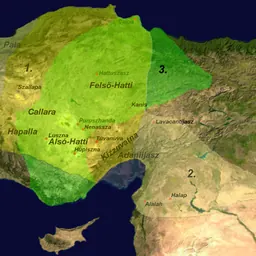
Fall of Babylon Samsu-Ditana apparently feared an attack as evidenced in extant tamitu texts, oracle questions addressed to the gods Shamash and Adad, which name seven “rebel” enemies. However, he was powerless to prevent it, as Babylon was in decay, with offices becoming hereditary, usurping royal prerogative, and payments accepted in lieu of military service to fund the bloated bureaucracy. The eventual coup-de-grace came from an unexpected quarter and his reign was brought to an abrupt end by a raid by the Hittite king Mursili I in 1595 BC (High Middle Chronology), 1587 BC (Low Middle Chronology) 1531 BC (Short Chronology), which resulted in the sacking and complete devastation of Babylon. The Chronicle of Early Kings tersely reported: “At the time of Samsu-ditāna, the Hittites marched against Akkad.” Muršili conquered just to seize loot and captives, without attempting any lasting occupation, a strategy he had previously employed in his opportunistic putsch against Halpa (ancient Aleppo). The Hittite account appears in the Edict of Telepinu, which relates: “Subsequently he marched to Babylon and he destroyed Babylon, and defeated the Hurrian troops, and brought captives and possessions of Babylon to Hattusa.”
He seized the statues of the Babylonian tutelary deity Marduk and his consort Sarpatinum and transported them to Ḫani where they would not be recovered until the reign of king Agum II around 24 years later. Babylon was left in ruins and was not reoccupied until the advent of the Kassite dynasty, where documents from Tell Muhammad are dated by the number of years after it was resettled for the reign of Šipta'ulzi.
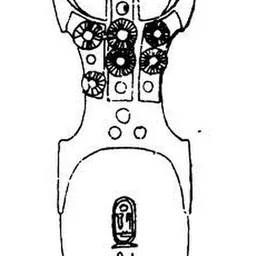
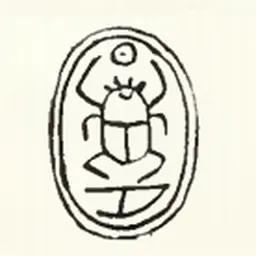
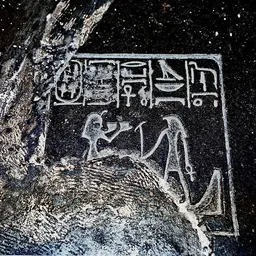
Inscriptions
Don’t just read it —
keep it.
Full-length biographies made to live with: read them, listen on the way to work, watch them tonight.
- E-book
- Audio
- Video
Instant download · yours to keep · every purchase keeps this site free
Important facts
Related people
Same field, nearest in time


Contemporaries
People whose lives overlapped Samsu-Ditana's


Frequently asked questions
Who was Samsu-Ditana?
King of Babylonia
When was Samsu-Ditana born?
Samsu-Ditana was born in 1700 BC.
When did Samsu-Ditana die?
Samsu-Ditana died in 1600 BC.
What was Samsu-Ditana's occupation?
Samsu-Ditana was a sovereign.
What nationality was Samsu-Ditana?
Samsu-Ditana's recorded nationality: Babylon.
Sources & further reading
Cite this page
APA: Biography.guide. (2026). Samsu-Ditana. https://biography.guide/samsu-ditana/
MLA: "Samsu-Ditana." Biography.guide, https://biography.guide/samsu-ditana/.
Chicago: "Samsu-Ditana." Biography.guide. https://biography.guide/samsu-ditana/.
Data last updated: 2026-09-20 · Spot an error? Report a correction.
Page generated 2026-09-27 05:09 UTC