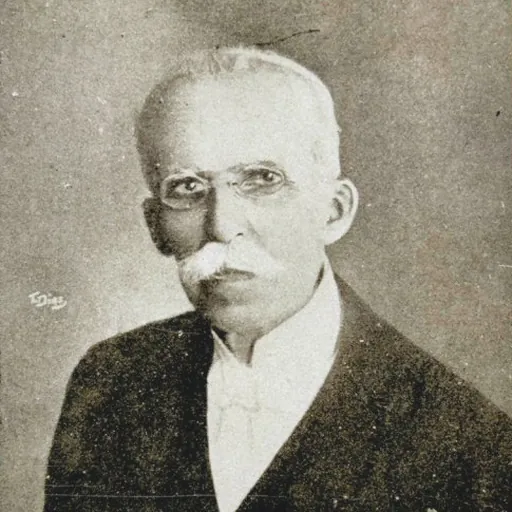
About Ruy Barbosa
Lived 1849 – 1923 (aged 73). Ruy Barbosa was a Brazilian legal counselor, politician, lawyer, jurist, diplomat and translator.
Ruy Barbosa de Oliveira (5 November 1849 – 1 March 1923), also known as Rui Barbosa, was a Brazilian politician, writer, jurist, philologist, journalist and diplomat.
A prominent defender of civil liberties who called for the abolition of slavery in Brazil, Barbosa represented Brazil in the second Hague convention, and argued for Brazil's participation in World War I on the side of the Allies. He also personally ordered the destruction of all government records pertaining to slavery while being Minister of Finance, as an effort to prevent previous slaveowners from receiving any sort of financial compensation. His defence of individual freedom led to his public condemning of communism and obligatory vaccinations.
Barbosa was a founding member of the Brazilian Academy of Letters, alongside names such as Machado de Assis, Viscount of Taunay, Joaquim Nabuco and Olavo Bilac . He would also act as a president for the organization from 1908 to 1919.
During the presidency of Floriano Peixoto, Barbosa was forced into exile due to the disastrous consequences of his policies in his time as Minister of Finance. After his exile, Barbosa ran for presidency multiple times, though, ultimately, all of this attempts would fail.
Early life
Rui Barbosa was born in Salvador, Bahia. He gave his first public speech for the abolition of slavery when he was 19. For the rest of his life he remained an uncompromising defender of civil liberties. Slavery in Brazil was finally abolished by the Lei Áurea ("Golden Law") in 1888. He was also one of the republicanist participants in the 1889 coup to overthrow Dom Pedro II, though in later years he would praise the late deposed monarch.
Part of Barbosa's legacy to history is that he authorised, as Minister of Finance on 14 December 1890, the destruction of most government records relating to slavery. The avowed reason for this destruction, which took several years to be enacted and was followed by his successors, was to erase the "stain" of slavery on Brazilian history. However, historians today agree that Barbosa was actually aiming to prevent any possible indemnification of the former slave-owners for this liberation.
Don’t just read it —
keep it.
Full-length biographies made to live with: read them, listen on the way to work, watch them tonight.
- E-book
- Audio
- Video
Instant download · yours to keep · every purchase keeps this site free
Important facts
People in Ruy Barbosa's life
Named in this biography and alive at the same time


Related people
Same field, nearest in time




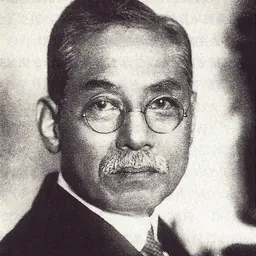
Contemporaries
People whose lives overlapped Ruy Barbosa's

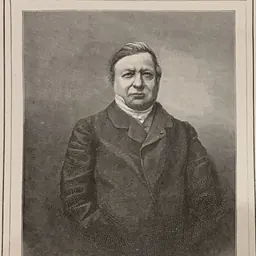
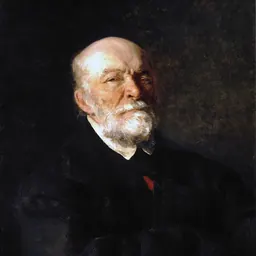


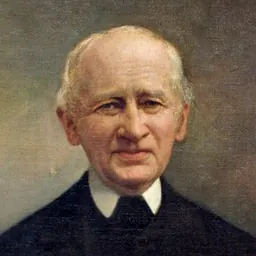
Frequently asked questions
Who was Ruy Barbosa?
Brazilian politician, writer and jurist (1849-1923)
When was Ruy Barbosa born?
Ruy Barbosa was born on 5 November 1849 in Salvador.
When did Ruy Barbosa die?
Ruy Barbosa died on 1 March 1923 in Petrópolis.
What was Ruy Barbosa's occupation?
Ruy Barbosa was a legal counselor, politician, lawyer, jurist, diplomat and translator.
What nationality was Ruy Barbosa?
Ruy Barbosa was Brazilian.
Sources & further reading
Cite this page
APA: Biography.guide. (2026). Ruy Barbosa. https://biography.guide/ruy-barbosa/
MLA: "Ruy Barbosa." Biography.guide, https://biography.guide/ruy-barbosa/.
Chicago: "Ruy Barbosa." Biography.guide. https://biography.guide/ruy-barbosa/.
Data last updated: 2026-09-21 · Spot an error? Report a correction.
Portrait: Wikimedia Commons · author & licence
Page generated 2026-09-27 04:59 UTC