
About Roger D. Kamm
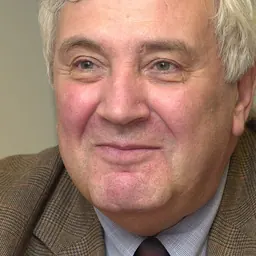
Roger D. Kamm was a mechanical engineer, computer scientist and university teacher.
Roger D. Kamm is an American biological and mechanical engineer recognized for pioneering contributions to mechanobiology, physiological fluid mechanics, and microfluidic models for disease and drug testing. He is the Cecil and Ida Green Distinguished Professor of Biological and Mechanical Engineering at the Massachusetts Institute of Technology (MIT).
Early life and education Kamm earned his B.S. in Mechanical Engineering from Northwestern University in 1972, followed by an S.M. (1973) and Ph.D. (1977) in Mechanical Engineering from MIT. the center concluded in 2021.
Research
Vascular physiology and neurovascular models Beginning in the mid-2000s, Kamm's lab developed microfluidic platforms capable of 3D, multi-cellular co-cultures to study vascular function. Early work addressed angiogenesis and vasculogenesis, leading to perfusable vascular networks now used to model the blood–brain barrier and neurological disease.
Models of metastatic cancer Kamm's group created microfluidic and 3D organotypic systems replicating steps of the metastatic cascade—epithelial–mesenchymal transition, migration, intravasation, and extravasation. These models have illuminated how biochemical and biophysical factors regulate tumor dissemination and drug response.
Mechanobiology Kamm's pioneering mechanobiology research demonstrated how physical forces affect cellular behavior, from airway epithelial compression in asthma to force-induced conformational changes in cytoskeletal proteins. His studies revealed growth-factor shedding as a mechanotransduction mechanism and characterized talin–vinculin binding dynamics under load.
Computational models of cell mechanics Kamm developed computational and Brownian-dynamics models to explore the mechanical behavior of the cytoskeleton, integrating dynamic cross-links, myosin motor activity, and non-linear viscoelasticity. These models reproduced experimental observations of rigidity sensing, stress response, and migration.
Arterial plaque rupture In collaboration with Richard T. Lee, Kamm performed computational and histological analyses showing that rupture of thin fibrous caps over lipid pools is a primary cause of myocardial infarction. Their studies identified stress concentrations in plaque shoulders as failure sites and quantified the effects of calcification on cap stability.
Honors and recognition Kamm was elected to the National Academy of Medicine in 2010 and to the National Academy of Engineering in 2023. Major awards include the ASME H.R. Lissner Medal (2010), the Huiskes Medal (2015), and the BMES CMBE Shu Chien Scientific Achievement Award (2020). He was the inaugural recipient of the ASME Robert M. Nerem Education and Mentorship Medal in 2018. He is a fellow of AIMBE, ASME, BMES, AAAS, and the International Academy of Medical and Biological Engineering.
Professional service Kamm has held numerous leadership roles, including Associate Head of MIT Mechanical Engineering (2005–2008), Chair of the World Council on Biomechanics (2006–2010),
Personal life Kamm is married to Judith (Judy) Kamm (née Brown) and has a son, Peter Kamm.
Don’t just read it —
keep it.
Full-length biographies made to live with: read them, listen on the way to work, watch them tonight.
- E-book
- Audio
- Video
Instant download · yours to keep · every purchase keeps this site free
Important facts
Related people
Same field, nearest in time





Frequently asked questions
Who was Roger D. Kamm?
biological engineer
What was Roger D. Kamm's occupation?
Roger D. Kamm was a mechanical engineer, computer scientist and university teacher.
Sources & further reading
Cite this page
APA: Biography.guide. (2026). Roger D. Kamm. https://biography.guide/roger-d-kamm/
MLA: "Roger D. Kamm." Biography.guide, https://biography.guide/roger-d-kamm/.
Chicago: "Roger D. Kamm." Biography.guide. https://biography.guide/roger-d-kamm/.
Data last updated: 2026-09-20 · Spot an error? Report a correction.
Page generated 2026-09-27 05:05 UTC