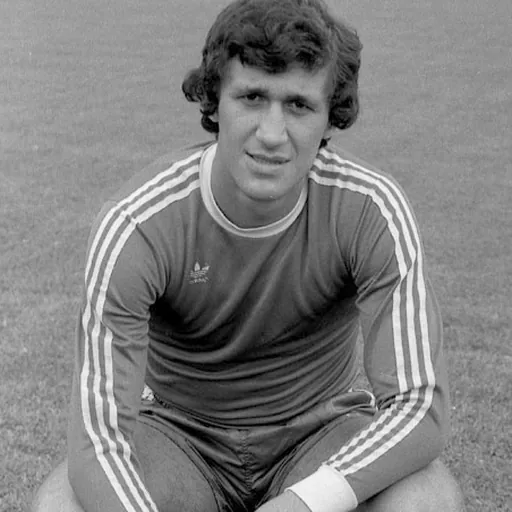
About Rodion Cămătaru
Born 1958. Rodion Cămătaru is a Romanian association football player.
Rodion Gorun Cămătaru (; born 22 June 1958) is a Romanian former professional footballer who played as a forward.
He is best known for his prolific scoring record in Romanian domestic football, particularly with Universitatea Craiova and Dinamo București.
Cămătaru began his senior career with Universitatea Craiova in 1974, where he played a key role during the club's most successful period. He won two Romanian league titles (1980, 1981) and four Cupa României trophies (1977, 1978, 1981, 1983), scoring over 120 goals for the club. In 1986, he transferred to Dinamo București, where he became the league's top scorer in the 1986–87 season with 44 goals and was awarded the European Golden Shoe, an honor that later became a subject of controversy.
Internationally, Cămătaru represented Romania from 1978 to 1990, earning 74 caps and scoring 21 goals. He was part of the squad at the 1984 European Championship and the 1990 World Cup.
After retiring from football, Cămătaru pursued business ventures and is now an active entrepreneur. Across his domestic career, he made more than 370 appearances in Romania’s top division, scoring nearly 200 goals.
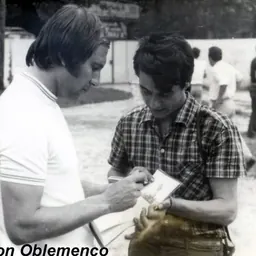
Club career Universitatea Craiova Cămătaru was born on 22 June 1958 in Strehaia, Romania and began playing football in 1972 at local club Progresul. Two years later he went to play for Universitatea Craiova, making his Divizia A debut on 10 November 1974, aged 17 under coach Constantin Cernăianu in a 1–1 draw against CFR Cluj. He spent twelve seasons with Universitatea, being part of the "Craiova Maxima" generation that won two consecutive league titles in 1980 and 1981. He was the team's top-scorer in both, as in the first he scored 17 goals in the 26 appearances gave to him by coach Valentin Stănescu and in the second he scored 23 in the 33 matches under coach Ion Oblemenco.
Cămătaru played 37 games and scored six goals for "U" Craiova in European competitions. In the following round he played in both legs of the 4–0 aggregate win over Leeds United, as Universitatea became the first Romanian club that eliminated a team from England in European competitions. Afterwards, they reached the quarter-finals of the 1981–82 European Cup after eliminating Olympiacos and Kjøbenhavns Boldklub, with Cămătaru scoring once against the latter, being eliminated with 3–1 on aggregate by Bayern Munich. He made nine appearances in the 1982–83 UEFA Cup campaign when they reached the semi-finals, being defeated by Benfica on the away goal rule after 1–1 on aggregate. At one point he was heavily criticized by journalist Eugen Barbu in the Informația Bucureștiului newspaper, Cămătaru, in turn called the article "a blasphemy". However, after the 0–0 in the first leg of the semi-final against Benfica in which Cămătaru was all over the field helping the defense, midfield and offense, Barbu wrote another article titled: "M-ai învins, Rodioane!" (English: "You defeated me, Rodion!").
During his time with The Blue Lions, Cămătaru received offers to play abroad. The first came from Fiorentina after the Italians got eliminated by them in the 1982–83 UEFA Cup, but the transfer was blocked by Romania's communist regime, which rarely allowed players to move abroad at the time. In 1986, Cămătaru was transferred to Dinamo București, where he became the Divizia A top-scorer and European Golden Boot winner in his first season at the club with 44 goals in 33 games. However, as he scored 26 goals in the last nine matches of the season, his European Golden Boot was revoked after FIFA investigations claimed the goals were unfairly scored and the trophy was awarded to Toni Polster but Cămătaru was allowed to keep his copy of the trophy.
Cămătaru played 10 matches and scored once for Dinamo in the European Cup Winners' Cup over the course of three seasons. On 14 June 1989, Cămătaru made his last Divizia A appearance in Dinamo's 5–1 win over Bihor Oradea, totaling 378 matches with 198 goals in the competition. On 21 January 1991, he scored his first goal in a 1–1 draw against the same opponent. He made his Eredivisie debut on 27 February 1991, under coach Fritz Korbach who played him for the entire match in a 1–0 home loss to Twente. On 2 March 1991, he scored his first goal for Heerenveen in a 1–0 home win over MVV Maastricht. The team was relegated at the end of his first season, but Cămătaru stayed with the club for two more seasons in the second league.
International career Cămătaru played 73 matches and scored 21 goals for Romania, making his debut on 13 December 1978 under coach Ștefan Kovács in a 2–1 friendly loss to Greece. He played two games in the Euro 1980 qualifiers, then scored one goal in the 4–1 victory against Yugoslavia in the second leg of the 1977–80 Balkan Cup final. Afterwards he was used by coach Mircea Lucescu in all three matches in the final tournament which were a draw against Spain and losses to West Germany and Portugal in Romania's group stage exit.
He played six games and scored three goals in the 1986 World Cup qualifiers, including a spectacular one at the Wembley Stadium against goalkeeper Peter Shilton in a 1–1 draw against England. In the following years, Cămătaru played four games in the Euro 1988 qualifiers and made five appearances during the successful 1990 World Cup qualifiers, scoring twice in a 3–1 away victory over Bulgaria. He was also part of the squad that participated in the final tournament, where coach Emeric Jenei did not use him in any games. Cămătaru's last appearance for the national team was in the Euro 1992 qualifiers, scoring Romania's goal in a 2–1 loss to Scotland.
Personal life Sports commentator Ilie Dobre wrote a book about him titled Rodion Cămătaru - tunarul din Bănie (Rodion Cămătaru - the gunner from Bănie), which was released in 1996. In 2003, Cămătaru received the Honorary Citizen of Craiova title.
Career statistics + Appearances and goals by national team and year.
Individual Divizia A top scorer: 1986–87 European Golden Shoe: 1986–87 (revoked) Ballon d'Or: 1987 (21st place) Romanian Footballer of the Year (third place): 1982, 1987
Don’t just read it —
keep it.
Full-length biographies made to live with: read them, listen on the way to work, watch them tonight.
- E-book
- Audio
- Video
Instant download · yours to keep · every purchase keeps this site free
Important facts
People in Rodion Cămătaru's life
Named in this biography and alive at the same time



Related people
Same field, nearest in time






Contemporaries
People whose lives overlapped Rodion Cămătaru's



Frequently asked questions
Who is Rodion Cămătaru?
Romanian footballer
When was Rodion Cămătaru born?
Rodion Cămătaru was born on 22 June 1958 in Strehaia.
What is Rodion Cămătaru's occupation?
Rodion Cămătaru is an association football player.
What nationality is Rodion Cămătaru?
Rodion Cămătaru is Romanian.
Sources & further reading
Cite this page
APA: Biography.guide. (2026). Rodion Cămătaru. https://biography.guide/rodion-camataru/
MLA: "Rodion Cămătaru." Biography.guide, https://biography.guide/rodion-camataru/.
Chicago: "Rodion Cămătaru." Biography.guide. https://biography.guide/rodion-camataru/.
Data last updated: 2026-09-20 · Spot an error? Report a correction.
Portrait: Wikimedia Commons · author & licence
Page generated 2026-09-27 04:58 UTC